

ADVERTISEMENT

Garin: Flood control projects 'demonized', but they're still necessary

Published Aug 10, 2026 11:57 pm

At A Glance

  • Deputy Speaker Janette Garin says flood control projects must remain in the 2027 national budget to protect vulnerable communities despite past controversies.
  • She stresses funding should target validated high‑risk areas, with strict safeguards, monitoring, and possible blacklisting of contractors behind substandard projects.
  • Garin rejects blanket cancellation, warning it could harm good projects and communities, and emphasizes that government programs should not be treated as commodities to be sold.
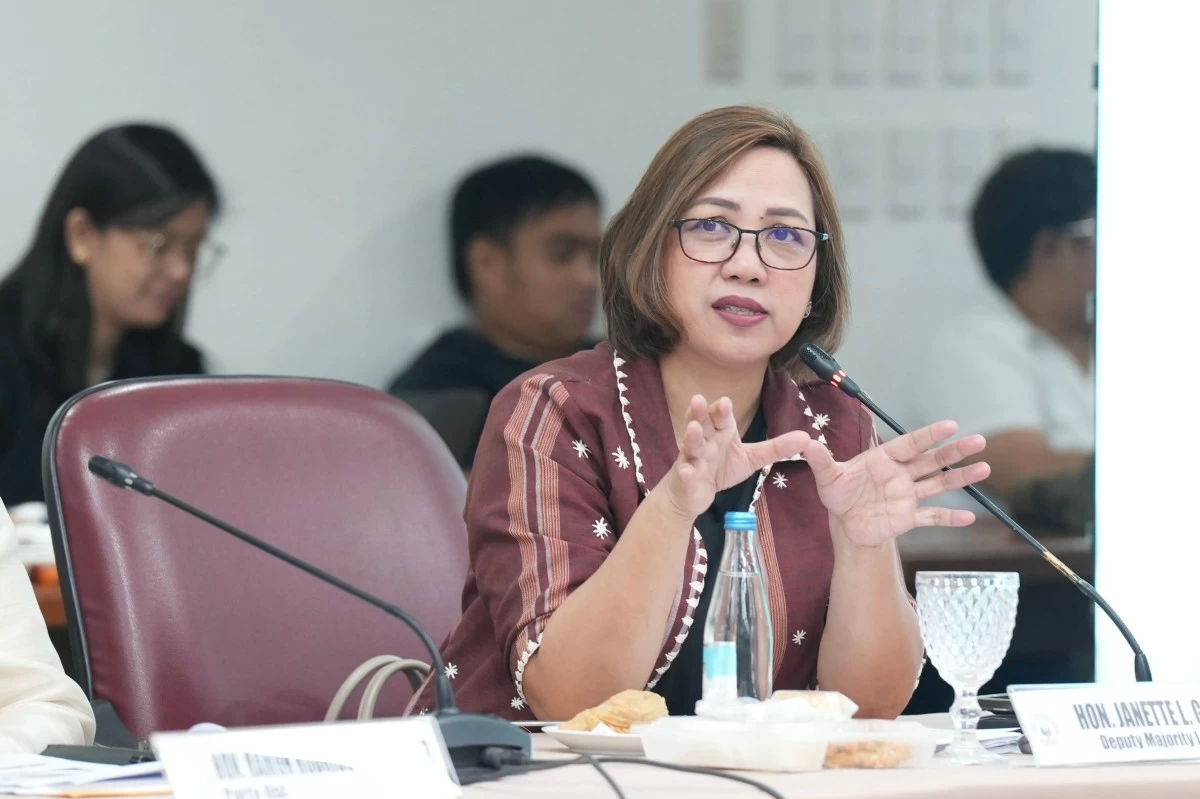
Iloilo 1st district Rep. Janette Garin (PPAB)


Although flood control projects have been "demonized", such projects must still exist in the proposed P7.2-trillion 2027 national budget, if only to protect vulnerable communities.
Thus, said Deputy Speaker Iloilo 1st district Rep. Janette Garin ahead of Malacañang's expected submission of the 2027 National Expenditure Program (NEP) to the House of Representatives on Tuesday morning, Aug. 11.
“Alam n’yo, na-demonize kasi ’yung flood control projects (You know, flood control projects have been demonized). These are actually important projects to protect communities,” she said in a virtual press conference Monday, Aug. 10.
Incidentally, Metro Manila and other parts of Luzon have been subjected to heavy rains and floods the past few days, no thanks to the Southwest Monsoon.
According to Garin, any funding under the proposed 2027 national budget must be directed to validated high-risk areas and subjected to strict safeguards.
She said controversies involving questionable or substandard projects had shaken public confidence in the entire flood control program, including legitimate infrastructure needed by vulnerable communities.
Stressing the real need for such infrastructure projects, Garin cited her coastal district in Iloilo, where projects classified under flood control include shoreline protection intended to shield homes and communities from rising water, high tides and overflowing rivers.
“Ang pagkakaalam ko, ’yung needed areas na talagang na-validate ay nalagyan, malalagyan,” she bared.
(My understanding is that the needed areas that have truly been validated were provided for, and will be provided for.)
She said the Department of Budget and Management (DBM), Department of Public Works and Highways (DPWH) and local governments coordinated on additional requirements and crucial details before proposed projects were included in the national spending plan.
These include site inspection, project boundaries, the length and area to be covered, technical specifications and measures intended to prevent fraud.
Garin says proper targeting and monitoring--especially with the participation of citizen watchdog organizations--is essential if the government is to restore public confidence in flood control spending.
No to blanket project cancellation
She rejected blanket cancellation of all projects. She said such an approach could jeopardize good projects and expose flood-prone communities to greater harm.
“Kailangan ito bantayan, but it does not mean to say na ihihinto natin. Kung ihinto mo nang tuluyan ’yung programang iyan, paano naman ’yung good projects? Paano naman ’yung communities that we need to protect?” said the former Department of Health (DOH) secretary.
(This must be monitored, but it does not mean we should stop it,” Garin said.“If you completely stop that program, what about the good projects? What about the communities that we need to protect?)
Garin said among the proposed safeguards include the possible blacklisting of contractors found responsible for substandard flood control projects.
Asked how the House would handle proposed changes during budget deliberations, Garin said valid "parameters" would have to govern any adjustment.
She distinguished arbitrary insertions from justified amendments or “errata” responding to changed conditions, such as rivers shifting course, newly collapsed areas, or serious landslides.
Garin reckoned that any reallocation should be supported by a clear justification, and be reviewed by the House leadership and Committee on Appropriations.
Garin stressed that previous abuses involving the alleged sale or trading of projects should not be repeated.
“Kasi hindi naman dapat commodity na ibinibenta ang programa ng gobyerno,” she said.
(Because government programs should not be treated as commodities to be sold.)

Related Tags

Janette Garin flood control projects 2027 budget House of Representatives
ADVERTISEMENT
.most-popular .layout-ratio{ padding-bottom: 79.13%; } @media (min-width: 768px) and (max-width: 1024px) { .widget-title { font-size: 15px !important; } }

{{ articles_filter_1561_widget.title }}

.most-popular .layout-ratio{ padding-bottom: 79.13%; } @media (min-width: 768px) and (max-width: 1024px) { .widget-title { font-size: 15px !important; } }

{{ static_articles_1562_widget.title }}

.most-popular .layout-ratio{ padding-bottom: 79.13%; } @media (min-width: 768px) and (max-width: 1024px) { .widget-title { font-size: 15px !important; } }

{{ articles_filter_1563_widget.title }}

{{ articles_filter_1564_widget.title }}

.mb-article-details { position: relative; } .mb-article-details .article-body-preview, .mb-article-details .article-body-summary{ font-size: 17px; line-height: 30px; font-family: "Libre Caslon Text", serif; color: #000; } .mb-article-details .article-body-preview iframe , .mb-article-details .article-body-summary iframe{ width: 100%; margin: auto; } .read-more-background { background: linear-gradient(180deg, color(display-p3 1.000 1.000 1.000 / 0) 13.75%, color(display-p3 1.000 1.000 1.000 / 0.8) 30.79%, color(display-p3 1.000 1.000 1.000) 72.5%); position: absolute; height: 200px; width: 100%; bottom: 0; display: flex; justify-content: center; align-items: center; padding: 0; } .read-more-background a{ color: #000; } .read-more-btn { padding: 17px 45px; font-family: Inter; font-weight: 700; font-size: 18px; line-height: 16px; text-align: center; vertical-align: middle; border: 1px solid black; background-color: white; } .hidden { display: none; }
function initializeAllSwipers() { // Get all hidden inputs with cms_article_id document.querySelectorAll('[id^="cms_article_id_"]').forEach(function (input) { const cmsArticleId = input.value; const articleSelector = '#article-' + cmsArticleId + ' .body_images'; const swiperElement = document.querySelector(articleSelector); if (swiperElement && !swiperElement.classList.contains('swiper-initialized')) { new Swiper(articleSelector, { loop: true, pagination: false, navigation: { nextEl: '#article-' + cmsArticleId + ' .swiper-button-next', prevEl: '#article-' + cmsArticleId + ' .swiper-button-prev', }, }); } }); } setTimeout(initializeAllSwipers, 3000); const intersectionObserver = new IntersectionObserver( (entries) => { entries.forEach((entry) => { if (entry.isIntersecting) { const newUrl = entry.target.getAttribute("data-url"); if (newUrl) { history.pushState(null, null, newUrl); let article = entry.target; // Extract metadata const author = article.querySelector('.author-section').textContent.replace('By', '').trim(); const section = article.querySelector('.section-info ').textContent.replace(' ', ' '); const title = article.querySelector('.article-title h1').textContent; // Parse URL for Chartbeat path format const parsedUrl = new URL(newUrl, window.location.origin); const cleanUrl = parsedUrl.host + parsedUrl.pathname; // Update Chartbeat configuration if (typeof window._sf_async_config !== 'undefined') { window._sf_async_config.path = cleanUrl; window._sf_async_config.sections = section; window._sf_async_config.authors = author; } // Track virtual page view with Chartbeat if (typeof pSUPERFLY !== 'undefined' && typeof pSUPERFLY.virtualPage === 'function') { try { pSUPERFLY.virtualPage({ path: cleanUrl, title: title, sections: section, authors: author }); } catch (error) { console.error('ping error', error); } } // Optional: Update document title if (title && title !== document.title) { document.title = title; } } } }); }, { threshold: 0.1 } ); function showArticleBody(button) { const article = button.closest("article"); const summary = article.querySelector(".article-body-summary"); const body = article.querySelector(".article-body-preview"); const readMoreSection = article.querySelector(".read-more-background"); // Hide summary and read-more section summary.style.display = "none"; readMoreSection.style.display = "none"; // Show the full article body body.classList.remove("hidden"); } document.addEventListener("DOMContentLoaded", () => { let loadCount = 0; // Track how many times articles are loaded const offset = [1, 2, 3, 4, 5, 6, 7, 8, 9, 10]; // Offset values const currentUrl = window.location.pathname.substring(1); let isLoading = false; // Prevent multiple calls if (!currentUrl) { console.log("Current URL is invalid."); return; } const sentinel = document.getElementById("load-more-sentinel"); if (!sentinel) { console.log("Sentinel element not found."); return; } function isSentinelVisible() { const rect = sentinel.getBoundingClientRect(); return ( rect.top < window.innerHeight && rect.bottom >= 0 ); } function onScroll() { if (isLoading) return; if (isSentinelVisible()) { if (loadCount >= offset.length) { console.log("Maximum load attempts reached."); window.removeEventListener("scroll", onScroll); return; } isLoading = true; const currentOffset = offset[loadCount]; window.loadMoreItems().then(() => { let article = document.querySelector('#widget_1690 > div:nth-last-of-type(2) article'); intersectionObserver.observe(article) loadCount++; }).catch(error => { console.error("Error loading more items:", error); }).finally(() => { isLoading = false; }); } } window.addEventListener("scroll", onScroll); });

Sign up by email to receive news.