ADVERTISEMENT

Philippines bars Middle East, European animal imports after FMD outbreaks

Published Aug 9, 2026 02:09 pm
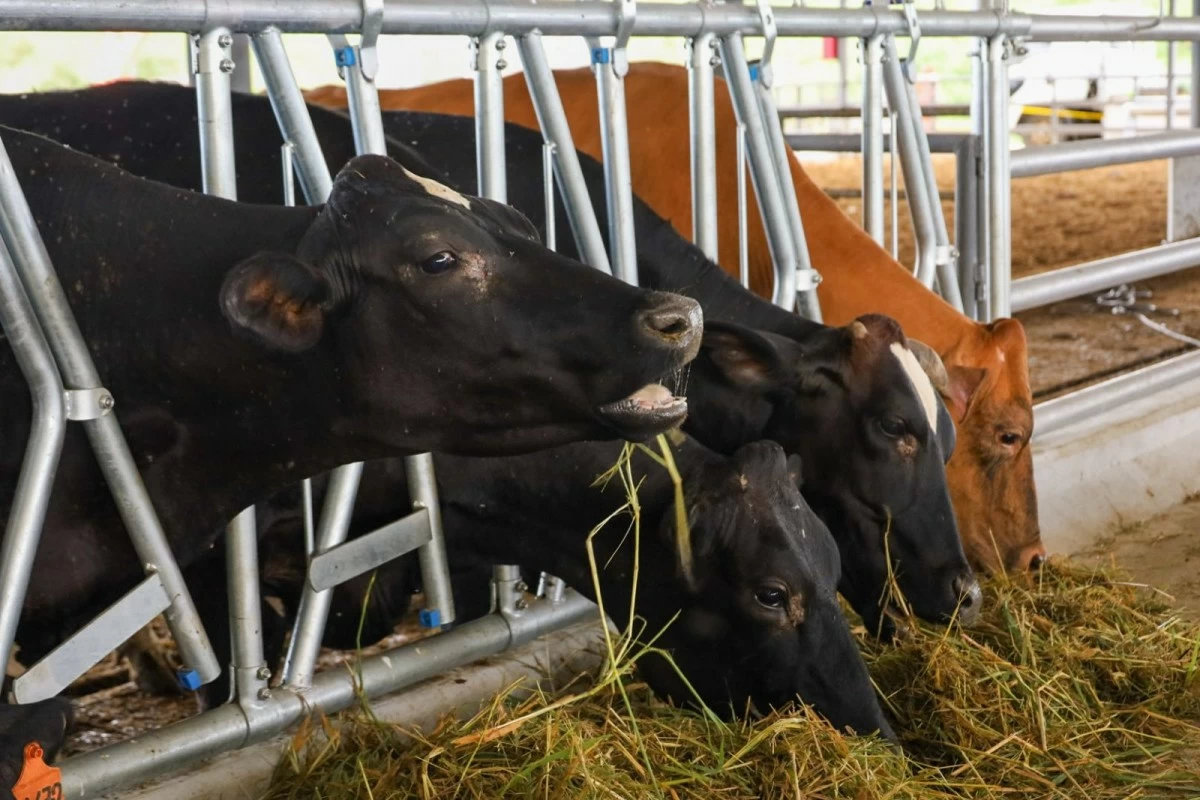
(Department of Agriculture photo)
The Department of Agriculture (DA) has suspended imports of live animals and selected animal products from seven economies in the Middle East and Europe following confirmed outbreaks of foot-and-mouth disease (FMD).
Signed by Agriculture Secretary Francisco P. Tiu Laurel Jr. under Department Circular No. 39, the emergency ban aims to protect the domestic livestock industry from the highly contagious viral disease.
The restriction covers shipments originating from Azerbaijan, Bahrain, Cyprus, Iraq, Israel, Kuwait, and Palestine. The Philippines imports virtually no live animals or fresh meat directly from these seven economies, sourcing the bulk of its supply from Brazil, the United States (US), and Spain.
Under the order, the government has banned the entry of live swine, cattle, water buffaloes, and other susceptible species. The suspension also extends to fresh skeletal muscle meat, animal casings, tallow, hooves, horns, and bovine semen.
The measure follows an official notification from the Food and Agriculture Organization (FAO) confirming localized outbreaks of the FMD virus serotype SAT1. The findings were validated through laboratory testing coordinated by the World Organisation for Animal Health (WOAH) reference network.
To enforce the ban at the border, veterinary quarantine officers at all Philippine ports of entry have been ordered to immediately intercept and confiscate non-compliant shipments.
The DA clarified that commodities classified as safe under international veterinary standards will still be permitted, provided importers present valid sanitary certifications. Allowed goods include ultra-high-temperature (UHT) processed milk, dairy products, heat-treated canned meat, protein meal, gelatin, and specific processed hides and leather.
Foot-and-mouth disease affects cloven-hoofed animals such as pigs, cattle, sheep, goats, and buffaloes. While it poses no health risk to humans or food safety concerns, uncontained outbreaks can devastate livestock production, cause local supply shortages, drive up farmgate production costs, and inflict severe economic losses on agricultural producers.
“The Philippines has worked hard to protect its livestock sector from devastating animal diseases,” Tiu Laurel said in a statement. “Acting swiftly against emerging risks is essential to safeguarding food security, protecting farmers' livelihoods, and preserving public confidence in our food supply.”
He emphasized that Manila is maintaining a science-based, precautionary stance—prioritizing the health of the domestic agricultural economy while remaining open to safe international trade.

Related Tags

Department of Agriculture
ADVERTISEMENT
.most-popular .layout-ratio{ padding-bottom: 79.13%; } @media (min-width: 768px) and (max-width: 1024px) { .widget-title { font-size: 15px !important; } }

{{ articles_filter_1561_widget.title }}

.most-popular .layout-ratio{ padding-bottom: 79.13%; } @media (min-width: 768px) and (max-width: 1024px) { .widget-title { font-size: 15px !important; } }

{{ static_articles_1562_widget.title }}

.most-popular .layout-ratio{ padding-bottom: 79.13%; } @media (min-width: 768px) and (max-width: 1024px) { .widget-title { font-size: 15px !important; } }

{{ articles_filter_1563_widget.title }}

{{ articles_filter_1564_widget.title }}

.mb-article-details { position: relative; } .mb-article-details .article-body-preview, .mb-article-details .article-body-summary{ font-size: 17px; line-height: 30px; font-family: "Libre Caslon Text", serif; color: #000; } .mb-article-details .article-body-preview iframe , .mb-article-details .article-body-summary iframe{ width: 100%; margin: auto; } .read-more-background { background: linear-gradient(180deg, color(display-p3 1.000 1.000 1.000 / 0) 13.75%, color(display-p3 1.000 1.000 1.000 / 0.8) 30.79%, color(display-p3 1.000 1.000 1.000) 72.5%); position: absolute; height: 200px; width: 100%; bottom: 0; display: flex; justify-content: center; align-items: center; padding: 0; } .read-more-background a{ color: #000; } .read-more-btn { padding: 17px 45px; font-family: Inter; font-weight: 700; font-size: 18px; line-height: 16px; text-align: center; vertical-align: middle; border: 1px solid black; background-color: white; } .hidden { display: none; }
function initializeAllSwipers() { // Get all hidden inputs with cms_article_id document.querySelectorAll('[id^="cms_article_id_"]').forEach(function (input) { const cmsArticleId = input.value; const articleSelector = '#article-' + cmsArticleId + ' .body_images'; const swiperElement = document.querySelector(articleSelector); if (swiperElement && !swiperElement.classList.contains('swiper-initialized')) { new Swiper(articleSelector, { loop: true, pagination: false, navigation: { nextEl: '#article-' + cmsArticleId + ' .swiper-button-next', prevEl: '#article-' + cmsArticleId + ' .swiper-button-prev', }, }); } }); } setTimeout(initializeAllSwipers, 3000); const intersectionObserver = new IntersectionObserver( (entries) => { entries.forEach((entry) => { if (entry.isIntersecting) { const newUrl = entry.target.getAttribute("data-url"); if (newUrl) { history.pushState(null, null, newUrl); let article = entry.target; // Extract metadata const author = article.querySelector('.author-section').textContent.replace('By', '').trim(); const section = article.querySelector('.section-info ').textContent.replace(' ', ' '); const title = article.querySelector('.article-title h1').textContent; // Parse URL for Chartbeat path format const parsedUrl = new URL(newUrl, window.location.origin); const cleanUrl = parsedUrl.host + parsedUrl.pathname; // Update Chartbeat configuration if (typeof window._sf_async_config !== 'undefined') { window._sf_async_config.path = cleanUrl; window._sf_async_config.sections = section; window._sf_async_config.authors = author; } // Track virtual page view with Chartbeat if (typeof pSUPERFLY !== 'undefined' && typeof pSUPERFLY.virtualPage === 'function') { try { pSUPERFLY.virtualPage({ path: cleanUrl, title: title, sections: section, authors: author }); } catch (error) { console.error('ping error', error); } } // Optional: Update document title if (title && title !== document.title) { document.title = title; } } } }); }, { threshold: 0.1 } ); function showArticleBody(button) { const article = button.closest("article"); const summary = article.querySelector(".article-body-summary"); const body = article.querySelector(".article-body-preview"); const readMoreSection = article.querySelector(".read-more-background"); // Hide summary and read-more section summary.style.display = "none"; readMoreSection.style.display = "none"; // Show the full article body body.classList.remove("hidden"); } document.addEventListener("DOMContentLoaded", () => { let loadCount = 0; // Track how many times articles are loaded const offset = [1, 2, 3, 4, 5, 6, 7, 8, 9, 10]; // Offset values const currentUrl = window.location.pathname.substring(1); let isLoading = false; // Prevent multiple calls if (!currentUrl) { console.log("Current URL is invalid."); return; } const sentinel = document.getElementById("load-more-sentinel"); if (!sentinel) { console.log("Sentinel element not found."); return; } function isSentinelVisible() { const rect = sentinel.getBoundingClientRect(); return ( rect.top < window.innerHeight && rect.bottom >= 0 ); } function onScroll() { if (isLoading) return; if (isSentinelVisible()) { if (loadCount >= offset.length) { console.log("Maximum load attempts reached."); window.removeEventListener("scroll", onScroll); return; } isLoading = true; const currentOffset = offset[loadCount]; window.loadMoreItems().then(() => { let article = document.querySelector('#widget_1690 > div:nth-last-of-type(2) article'); intersectionObserver.observe(article) loadCount++; }).catch(error => { console.error("Error loading more items:", error); }).finally(() => { isLoading = false; }); } } window.addEventListener("scroll", onScroll); });

Sign up by email to receive news.