






Manila Bulletin
 Technews
Why memorable photos are usually taken from farther away, according to Xiaomi
Technews
Why memorable photos are usually taken from farther away, according to Xiaomi
Technews
Why memorable photos are usually taken from farther away, according to Xiaomi
Why memorable photos are usually taken from farther away, according to Xiaomi
Published Aug 7, 2026 11:24 am



Most people reach for a smartphone's telephoto camera to pull a faraway subject closer. Concerts, stages, the moon. That instinct is correct, but it misses the more useful half of what a long lens does, especially for anyone learning to tell stories with their phone rather than simply take pictures.
Many of today's strongest visual storytellers, from veteran photographers to creators just building their following online, share one discipline: They understand that a camera changes the moment it points at the subject. Announce "Picture!" and the room rearranges itself—the scene that made you reach for your phone in the first place gives way to a performance staged for it. Here is how the Xiaomi 17T Series and Xiaomi 17 Series help preserve authentic moments through three storytelling habits: keeping your distance, giving the moment time, and preserving the atmosphere that makes it memorable.
1. Framing and distance: let the lens do the approaching
Composition guides where the eye goes, and the single biggest composition decision most people never think about is where they stand. Step toward a candid moment and you break it. Stay put and let the telephoto cross the room instead of your feet, and the moment survives intact.
This is the real argument for the Xiaomi 17T Series' Leica 5x Telephoto camera, which offers the reach of a classic 115mm lens with optical stabilization. From the hallway, your subject stays absorbed in what they are doing. From across a barangay court, a game keeps its scale and its honesty. The lens does the approaching so that you never have to.
There is another reason telephoto photos often feel more intentional. Their longer focal lengths naturally simplify busy backgrounds, so a single face separates cleanly from the tarpaulins and string lights behind it, letting the people and the story stand out. That subject-isolation look is a large part of what reads as "professional."
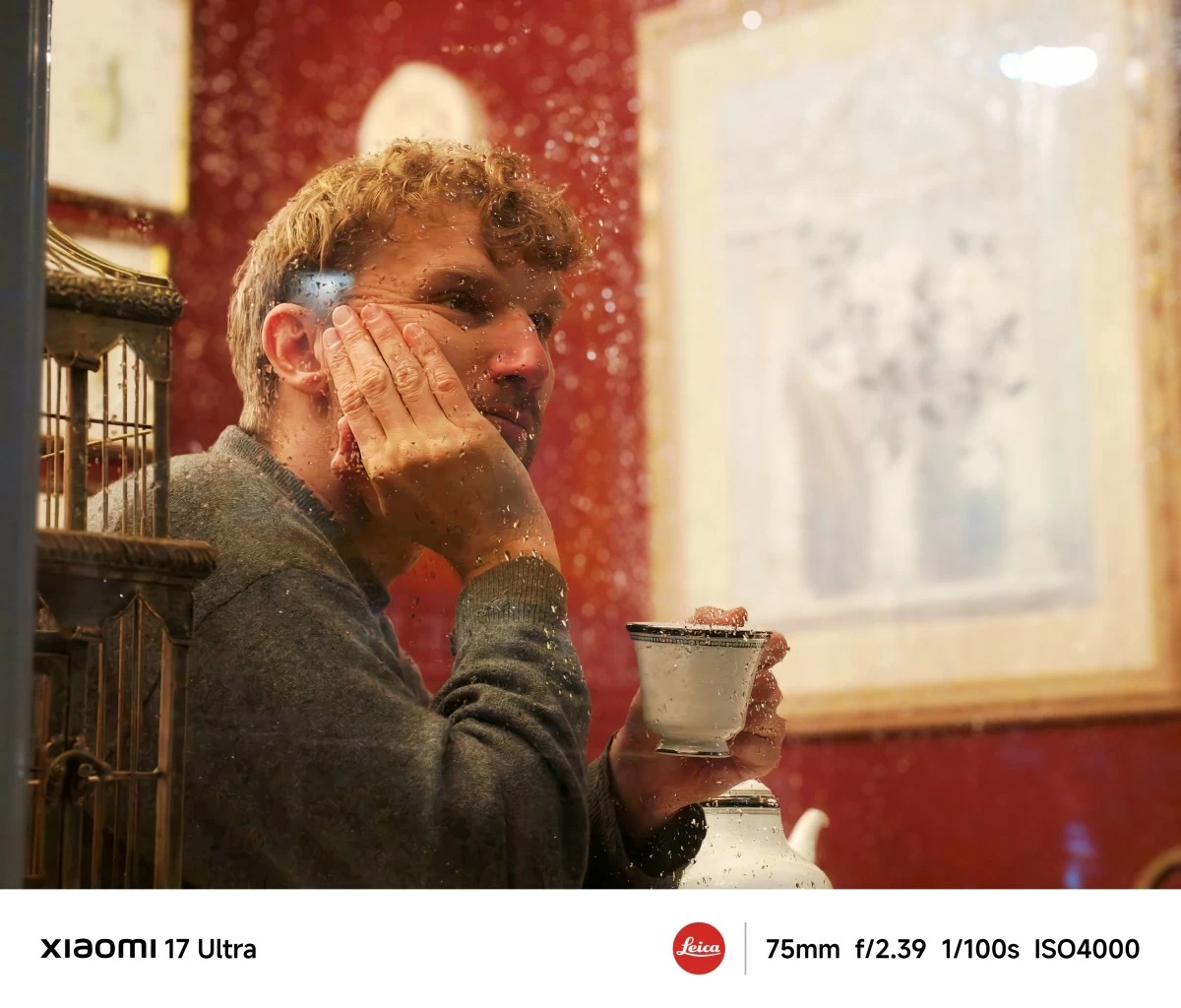
Try this: Pick a subject doing something absorbing, like your grandparents sharing a quiet moment over morning coffee. Stay just far enough back that you don't interrupt what they're doing, then let the telephoto fill the frame. You'll be surprised how naturally the story, and the composition, come together.
2. Timing and emotion: photograph people before they perform
Great storytelling is often less about where you stand than when you press the shutter. The moment someone hears "Picture!" conversations pause, smiles stiffen, and genuine expressions become practiced ones. Sometimes the best photograph happens just before that announcement, or right after everyone forgets about posing and returns to the moment.
This is where the Leica 5x Telephoto becomes more than a zoom lens. By letting you keep a respectful distance without sacrificing composition, it gives everyday moments the space to unfold naturally while you wait for the right expression, gesture, or glance. You are no longer directing the scene—you are observing it with patience.
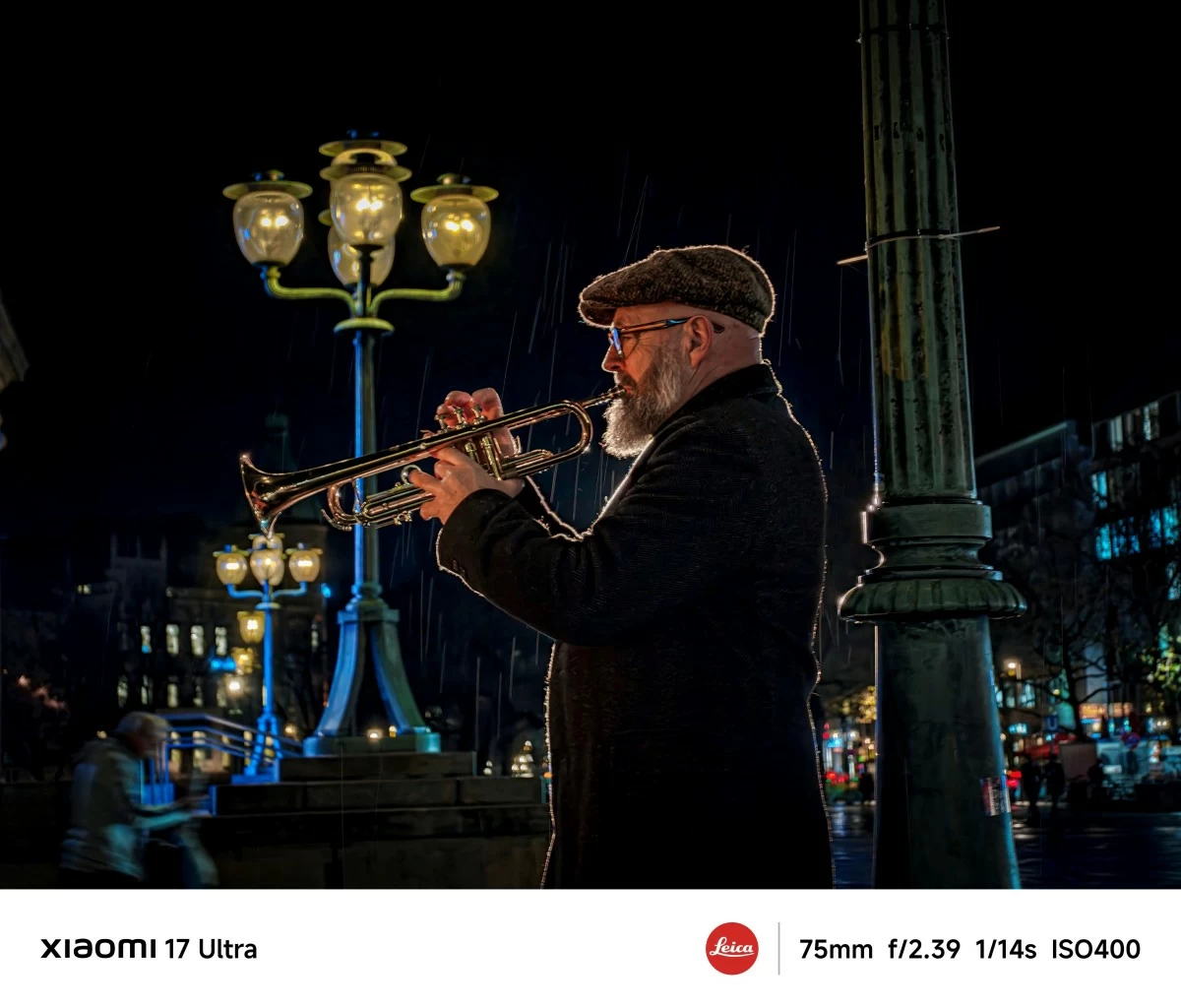
Try this: Find someone absorbed in what they're doing, whether it's a street musician performing, a barista crafting a latte, or a friend sketching in a café. Let the Leica 5x Telephoto do the approaching while you stay where you are. Resist the urge to press the shutter immediately. Sometimes the best frame comes just before the subject acknowledges you. Other times, it comes in the very instant they do, with an unrehearsed laugh, an amused eye roll, a bashful grin, or a smile that's genuine precisely because it wasn't planned.
3. Let the evening stay evening
The stories worth keeping don't stop when the sun goes down. They continue over late dinners, conversations that stretch long after dessert, and moments shared under the warm glow of a single pendant light. The challenge isn't making these scenes brighter, it’s preserving the atmosphere.
The Xiaomi 17 Series is built for exactly that. Its Leica Summilux lens opens to a wide ƒ/1.67 aperture and feeds a Light Fusion 950 sensor designed to capture more light and preserve a wide dynamic range. Instead of turning evening into artificial daylight, it keeps warm indoor lighting looking warm, allowing the mood of the moment to remain intact.
Whether you're photographing from across the dining room or observing from the doorway, the same storytelling principle applies: preserve the scene without interrupting it, and let the light tell its part of the story.
Try this: After sunset, leave the flash off and resist maxing the brightness. Let the room's existing warm light lead, expose for the faces, and keep the shadows where they fall. The photo will remember the evening the way it actually felt.
Turning single shots into stories
One strong frame is a photo. A handful of related frames tells a story. Think in beginnings, middles, and endings: preparation, action, reaction. A family meal from the first chopped onion to the last cleared plate. A child learning something new, from the first failed attempt to the moment it finally clicks. Build a small series around a single afternoon or theme and share it as a carousel or an album rather than a lone post. A series invites people back into the experience in a way a single image cannot.
The Xiaomi 17T Series and Xiaomi 17 Series don't create these moments. They simply make them easier to preserve. The Leica 5x Telephoto lets you step back without sacrificing intimacy, while the Xiaomi 17 Series' advanced low-light imaging helps preserve the atmosphere after sunset. Together they support the habit that separates snapshots from stories: photograph life as it is already happening, and let people keep being themselves.