








Before the tragedy reaches the headlines, an earthquake has already begun reshaping the environment.
When most people think of earthquakes, they picture collapsed buildings, shattered roads, and frightened communities. News reports often focus on the number of casualties, damaged infrastructure, and rescue operations. The recent earthquake in Mindanao was no different, as the death toll rose and more than a million residents were affected. Yet beyond the human tragedy lies another victim—the environment.
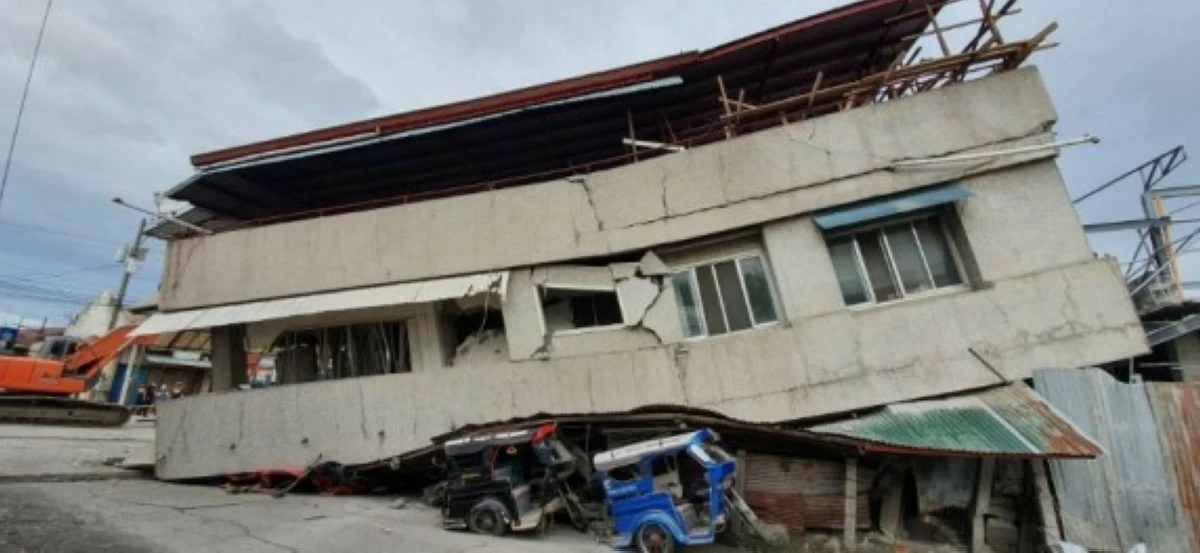
Collapsed three-story building in Brgy. Poblacion, Padada, Davao del Sur, after a 6.9-magnitude earthquake on Dec. 15, 2019. (Image by DOST-PHIVOLCS)
One of the most immediate consequences of earthquakes is the alteration of landscapes. Powerful ground movement can create ground fissures, trigger landslides, and permanently change the shape of landforms. These changes can affect ecosystems for years after the shaking ends.
A clear example occurred during the magnitude 7.2 Bohol earthquake in 2013. According to the Philippine Institute of Volcanology and Seismology (PHIVOLCS), satellite imagery revealed that parts of Bohol experienced significant ground uplift, permanently changing the island's terrain. The earthquake also triggered numerous landslides in mountainous areas, stripping vegetation from slopes and altering natural drainage systems.
What appeared to be a single moment of destruction left changes to the landscape that persisted long after damaged structures had been repaired.
Earthquakes can also transform coastal environments. During the magnitude 7.8 earthquake that struck Mindanao in June 2026, PHIVOLCS reported coastal uplift in parts of Sarangani and Davao Occidental. Previously submerged areas emerged above sea level, exposing portions of shorelines and coral reefs.
While such changes may seem minor, they can disrupt delicate marine ecosystems. Coral reefs, seagrass beds, and coastal habitats depend on stable conditions. Sudden shifts in land elevation can affect marine species that rely on these ecosystems for food, breeding, and shelter.
Another issue linked to earthquakes is liquefaction. This phenomenon occurs when water-saturated soil loses its strength during intense shaking and temporarily behaves like a liquid. During the Mindanao earthquake, PHIVOLCS documented liquefaction in several affected communities, resulting in ground fissures, land subsidence, and sediment eruptions.
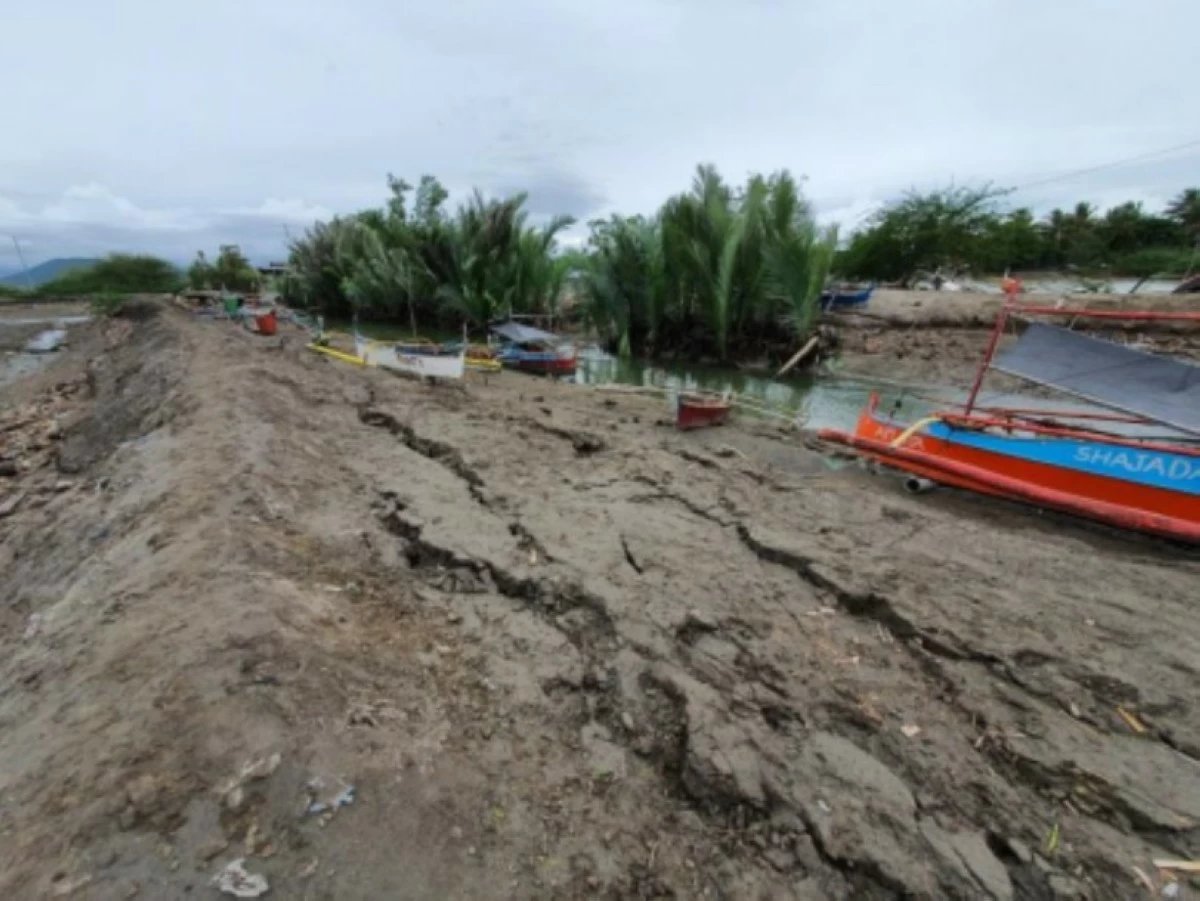
Liquefaction in Brgy. Aplaya, Hagonoy, Davao del Sur, after a 6.9-magnitude earthquake on Dec. 15, 2019. (Image by DOST-PHIVOLCS)
Liquefaction can have long-term consequences for both the environment and agriculture. Productive farmland may become unstable, drainage patterns can change, and vegetation may struggle to recover in affected areas.
Water resources are also vulnerable. Earthquakes can alter river channels, damage watersheds, and affect underground water systems. Landslides triggered by earthquakes may block rivers, creating temporary natural dams that increase the risk of flooding. In some cases, disturbed soil and debris can reduce water quality and harm aquatic ecosystems.
Wildlife is often an overlooked casualty of seismic events. Habitat destruction caused by landslides, coastal changes, and vegetation loss can force animals to relocate or compete for limited resources. Species already facing pressures from deforestation and climate change may find it even harder to adapt to sudden disruptions.
Despite these challenges, nature possesses an extraordinary ability to recover. Forests can regenerate, rivers can carve new paths, and ecosystems can gradually rebuild themselves. However, recovery often takes years or even decades, depending on the severity of the damage.
Environmental experts emphasize the importance of integrating ecosystem protection into disaster response and recovery plans. Reforestation projects, watershed management, and careful land-use planning can help reduce the risks associated with earthquakes. Monitoring vulnerable ecosystems after major seismic events is also crucial to understanding and addressing long-term impacts.
The recent earthquake in Mindanao serves as a reminder that disasters affect more than just people and infrastructure. Beneath the statistics and headlines is an environment that also bears the scars of these natural events. Recognizing the environmental effects of earthquakes is essential for protecting ecosystems and building more resilient communities.
As rebuilding begins, the story of an earthquake should not end with damaged buildings. The environment bears its own scars, often long after the shaking stops. For the Philippines, a nation perched on the Pacific Ring of Fire, understanding these impacts is essential to building communities that are not only prepared for the next disaster but resilient enough to recover from it.