






Manila Bulletin
 Property and Living
The Property Geek: The best time to buy real estate is when everyone else hesitates
Property and Living
The Property Geek: The best time to buy real estate is when everyone else hesitates
Property and Living
The Property Geek: The best time to buy real estate is when everyone else hesitates
The Property Geek: The best time to buy real estate is when everyone else hesitates
Published Aug 7, 2026 10:45 am


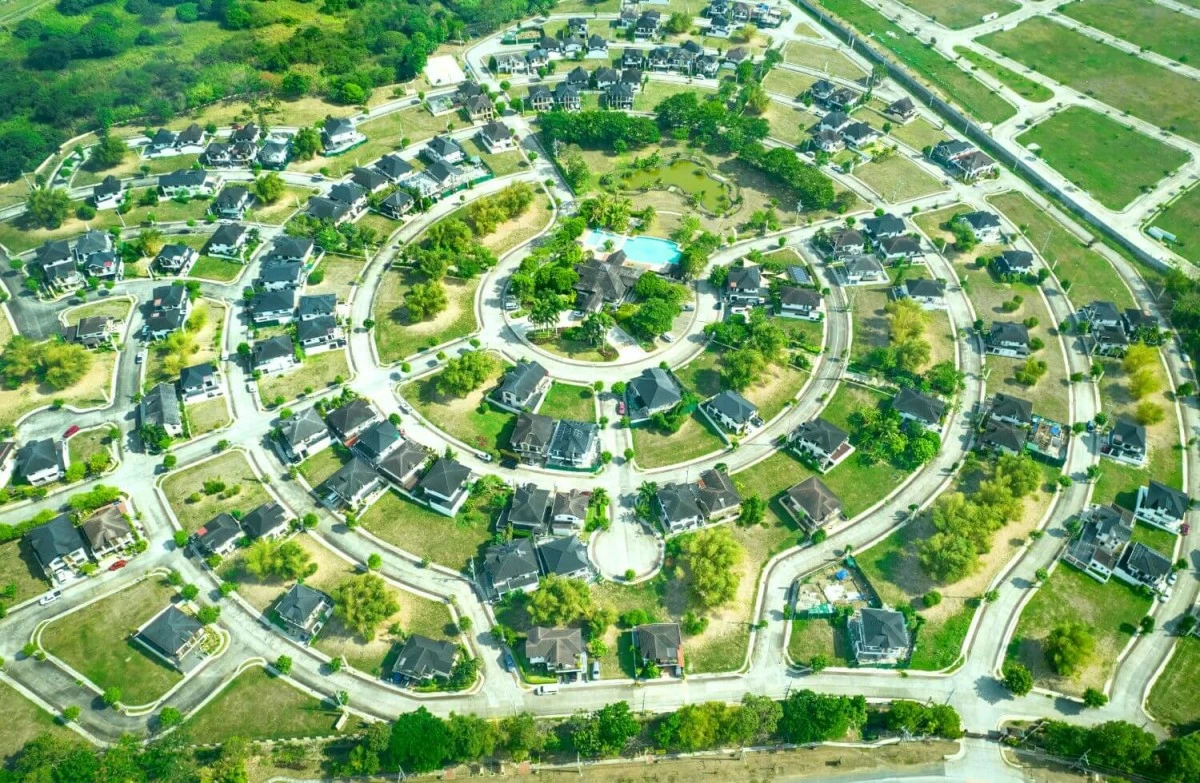
Pramana residential park (Photo: Greenfield City)
Every real estate cycle has one thing in common: people always find a reason to wait.
Today, it's inflation. Tomorrow, it could be elections. Next year, it might be interest rates, global conflicts, or economic uncertainty. The headlines change, but the hesitation remains the same.
Ironically, this is often when the smartest real estate investors make their move.
We're currently in what many would consider a buyer's market. Developers are offering longer and more flexible down payment terms, attractive discounts, and payment schemes that were rarely available during periods of high demand. For buyers with a long-term perspective, these conditions create opportunities that may not exist once the market gains momentum again.
History has shown that real estate moves in cycles. Markets slow down, stabilize, recover, and eventually grow. While no one can predict exactly when the next upswing will happen, one thing has remained remarkably consistent: quality real estate appreciates over time.
The biggest mistake many aspiring investors make is believing they should only buy when the economy feels perfect. In reality, by the time everyone becomes confident again, prices have often already increased, incentives have disappeared, and competition has returned.
Legendary investor Warren Buffett once said, "Be fearful when others are greedy, and greedy when others are fearful." While his advice was directed toward the stock market, the same principle applies to real estate. Opportunity often hides behind uncertainty.
This doesn't mean buying recklessly. It means investing wisely. Choose projects from reputable developers, prioritize locations with strong long-term growth drivers, and ensure that your purchase aligns with your financial capacity. Real estate should never be an emotional decision; it should be a strategic one.
One advantage today's buyers enjoy is time. Extended payment terms allow many families and investors to secure tomorrow's property values while spreading out today's financial commitment. That's a luxury that often disappears when demand returns.
Real estate has survived financial crises, political transitions, pandemics, and global conflicts. Yet cities continue to expand, infrastructure continues to improve, and land remains one of the few assets that cannot be created.
Markets will eventually recover, as they always do.
The question is not whether opportunities will disappear. The question is whether you'll still be watching from the sidelines when they do.
Sometimes, the best investment decisions are made not when the market feels safest, but when you have the courage to see what others don't.