







Gasoline, diesel prices may drop by up to ₱5 next week
Published Aug 7, 2026 09:52 am


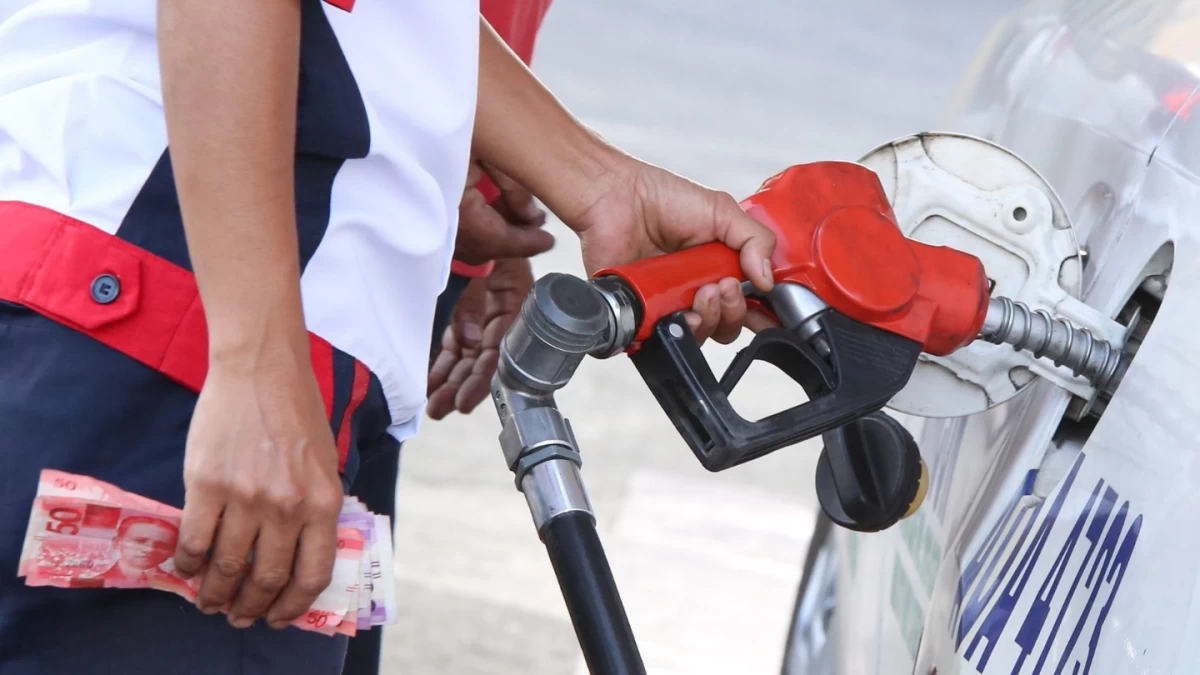
Motorists are on track for a second consecutive week of relief at the pump, with local fuel prices projected to fall by as much as ₱5 per liter as diplomatic movements in the Middle East pull down global crude benchmark rates.
Based on four-day trading averages from the Mean of Platts Singapore (MOPS), local retail prices for both diesel and gasoline are expected to decline between ₱4.50 and ₱5 per liter next week.
The Department of Energy (DOE) is scheduled to finalize the official regulated price adjustments on Monday, Aug. 10, with local oil companies implementing the changes early the following morning.
The anticipated price cuts follow retreat in international oil markets driven by renewed optimism surrounding potential diplomatic negotiations between the United States (US) and Iran.
That shift helped unwind the geopolitical risk premium that had pushed refined product prices higher in recent sessions. Refined fuel products in Asian markets tracked crude lower, leading to sharp declines in regional benchmark costs for both gasoline and diesel.
A strengthening peso relative to the US dollar during the week also provided additional downward momentum for local pump valuations. Because fuel importers purchase supplies in foreign currency, a firmer domestic exchange rate reduces landed costs for local distributors.
Despite the impending price reduction, market analysts cautioned that broader fundamentals remain tight. High global consumption and lingering supply bottlenecks continue to floor market prices. Persistent transit disruptions near the Strait of Hormuz and key Red Sea shipping lanes, including routes near Saudi Arabian ports, continue to restrict physical crude availability for refiners across Asia.
Compounding market tightness is a sustained decline in Russian crude exports, which limits global inventory replenishment and prevents more aggressive price cuts in regional trading hubs. Furthermore, volatile political signals from Washington and Tehran keep traders on edge.
Market participants noted that while diplomatic headlines offer short-term price relief, persistent operational risks across maritime transit corridors leave domestic prices vulnerable to rapid upward swings should negotiations stall.