

ADVERTISEMENT

Omoda and Jaecoo's next big leap

Evolving vehicle intelligence

Published Aug 6, 2026 02:56 pm

At A Glance

  • Omoda and Jaecoo have already started on what they deem the next big thing: vehicle intelligence.
  • We just got back from a quick trip to Indonesia with Omoda and Jaecoo where we witnessed their next big step in automotive technology.
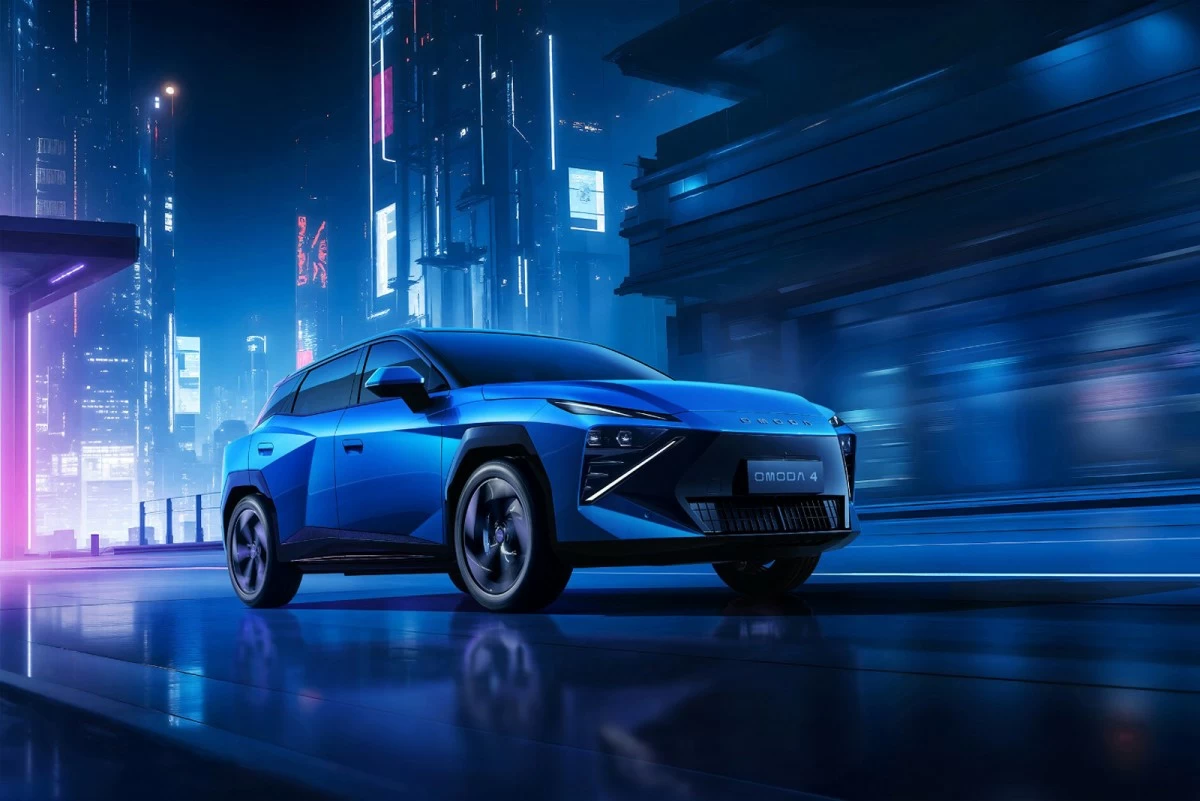
While the rest of the automotive industry continues to innovate electrification, hybrid technology, and autonomous driving, Omoda and Jaecoo have already started on what they deem the next big thing: vehicle intelligence. We just got back from a quick trip to Indonesia with Omoda and Jaecoo where we witnessed their next big step in automotive technology.
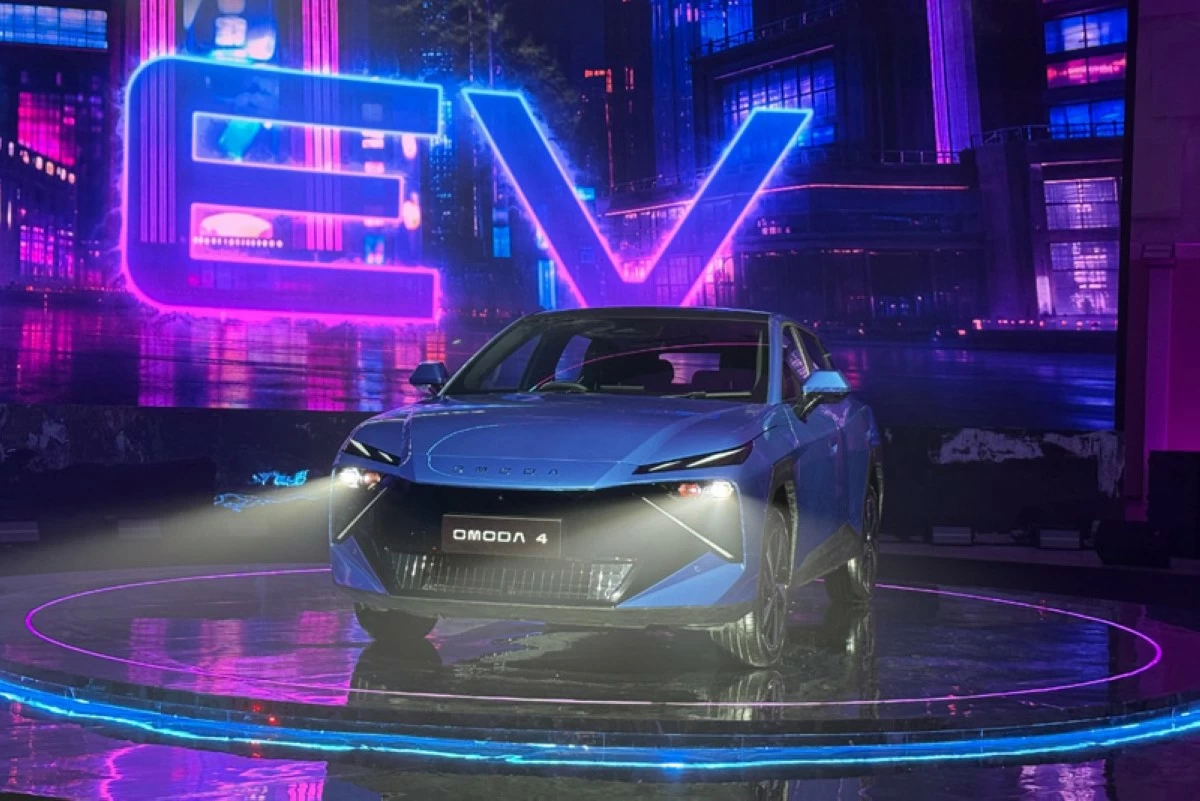
The reveal happened at an event called Omoda Super AI Night. The event served as the launch of the Omoda 4 for the ASEAN market. It was also a showcase of the brand's expanding technology direction, highlighting artificial intelligence as the logical next step in the evolution of connected mobility.
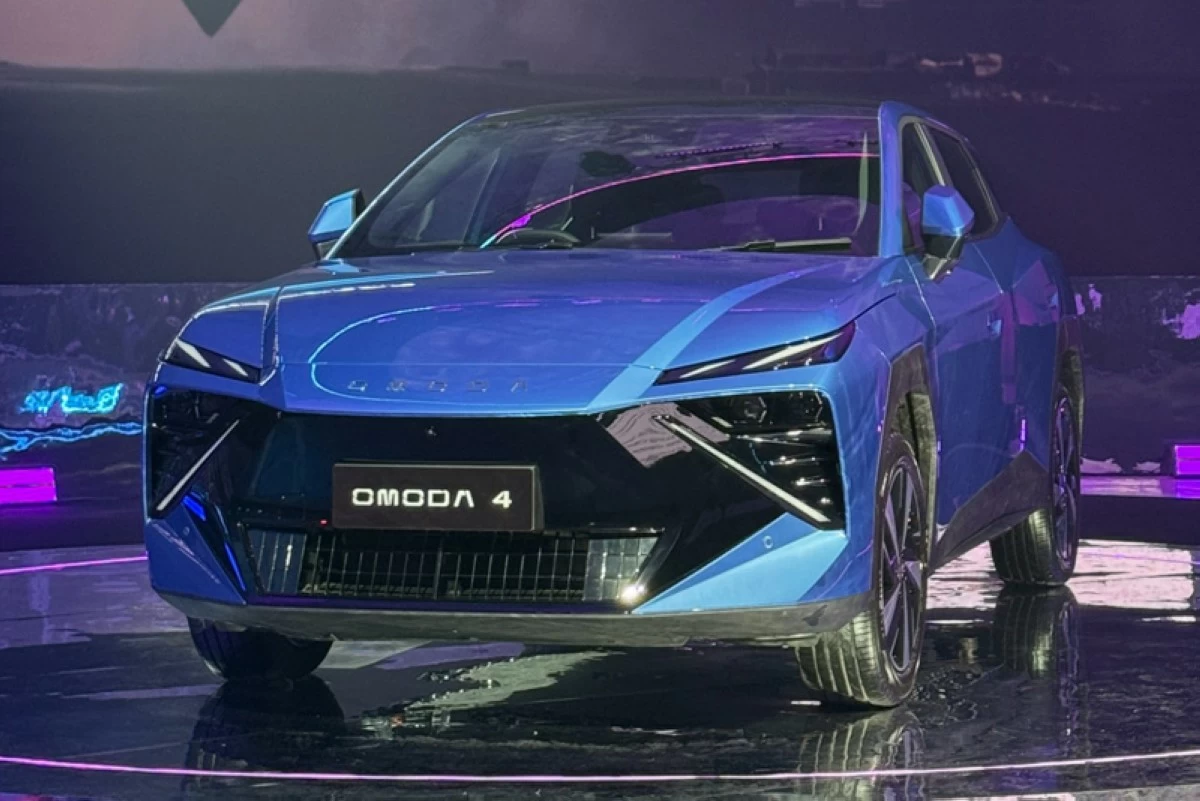
The centerpiece of the event was the Omoda 4, a compact SUV inspired by their Cyber-Mecha design philosophy. Developed with the "Cyber LOHAS" generation in mind (LOHAS – Lifestyles of Health and Sustainability), the market is young, tech-oriented consumers who value sustainability, connectivity, and self-expression, for whom the Omoda 4 will deliver an AI-powered driving experience.
Super AI Cockpit
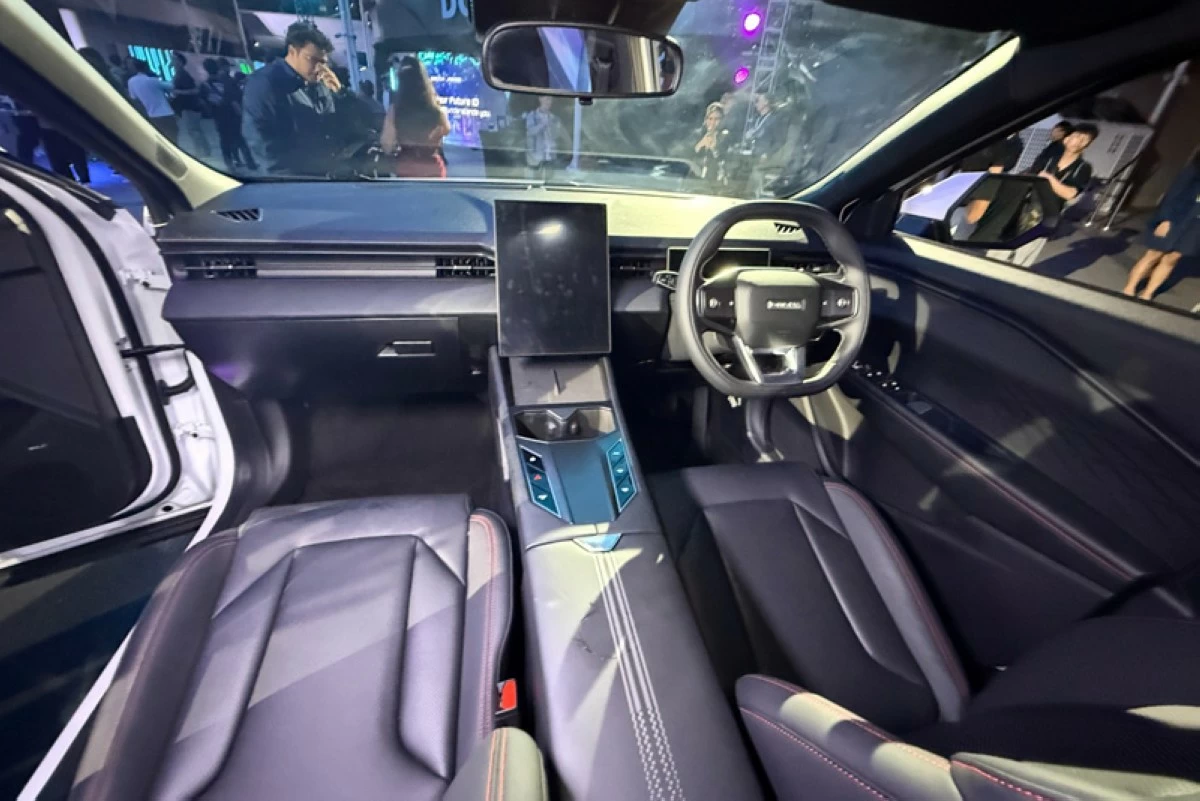
Omoda and Jaecoo painted a much bigger picture of what artificial intelligence inside a vehicle could eventually become. Instead of treating AI as just another infotainment feature, the brand introduced its Super AI Cockpit, a system built on a large language model (LLM) and an Agentic AI architecture.
Rather than simply waiting for specific commands, the system is designed to understand context, anticipate needs, and personalize the driving experience over time. It moves beyond the familiar "command-and-response" interaction toward something that feels more conversational and intuitive.
More than one voice assistant
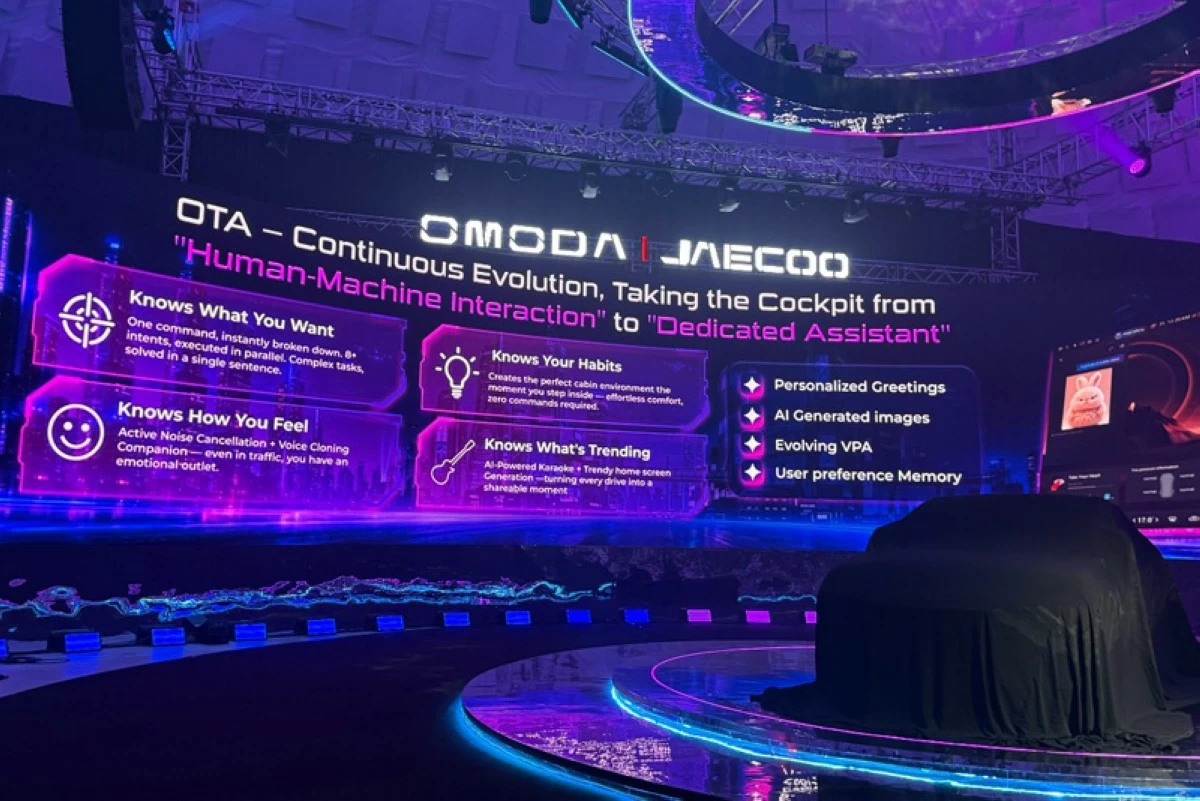
Most modern vehicles have a single voice assistant. You can tell it to navigate somewhere or adjust the temperature, and that's usually where its capabilities end. The Super AI Cockpit takes a different approach by dividing responsibilities among 10 specialized AI agents, each with a dedicated role. These agents work together behind the scenes, coordinated by the system's central “brains”, allowing the vehicle to understand more complex requests instead of processing only one command at a time.
Imagine saying in the cabin - "I'm hungry, find a coffee shop on the way home and cool the cabin down." Instead of requiring several separate voice commands, the cockpit hears it and is programmed to understand the intent and execute multiple actions simultaneously.
It learns your driving habits
An interesting aspect of the Super AI Cockpit is its ability to learn. According to Omoda, the AI learns user habits over time. It will remember your preferred navigation routes, entertainment choices, and even how you like to interact with the vehicle. After a while, it will begin suggesting destinations, adjusting settings, or recommending content based on established routines rather than waiting for instructions.
For daily commuters, that could mean a cabin that automatically readies itself before you even shift to Drive.
The cabin feels personal
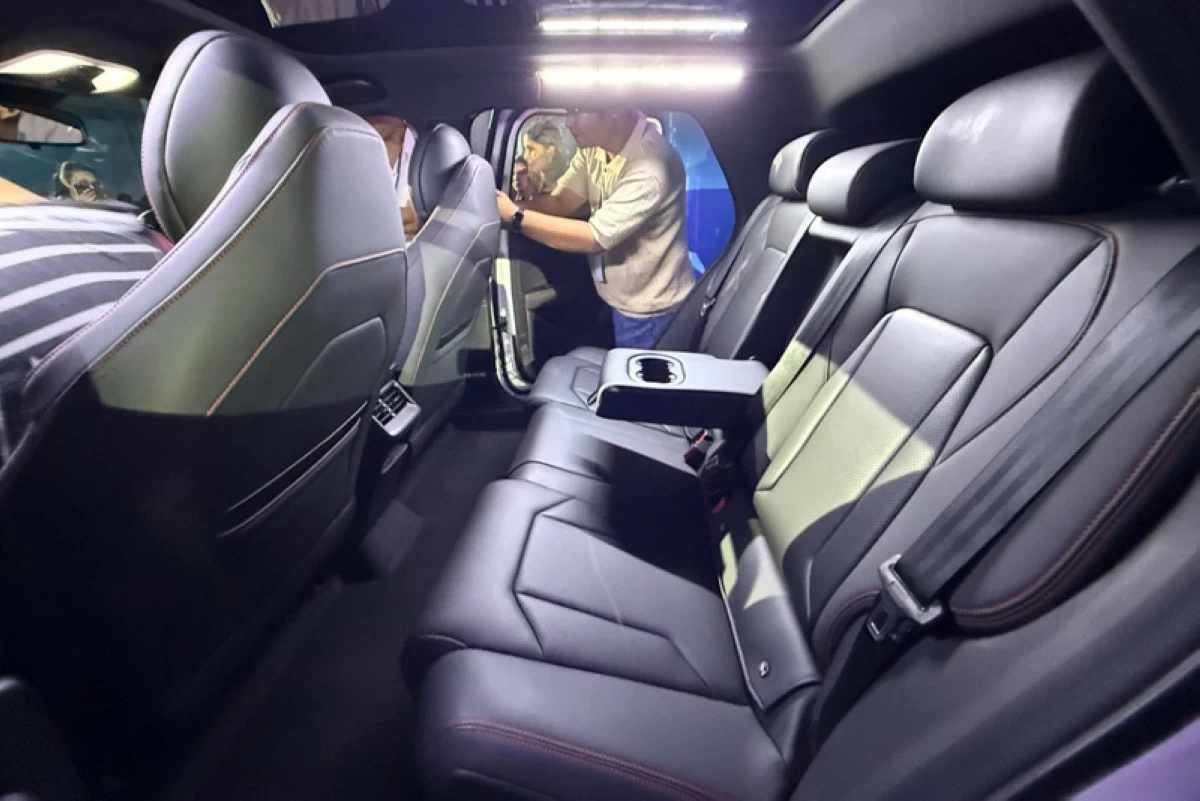
Omoda wants the cockpit to feel less like a machine and more like a digital companion. Among the features demonstrated were personalized greetings that learn how you prefer to be addressed, music recommendations based on your tastes, news and sports updates, and even an AI conversation partner intended to keep you company on long drives.
Some of these features may sound somewhat trivial today, but they highlight a broader trend in automotive technology. Car brands will no longer compete on performance or powertrain, they'll also compete on the quality of the digital experience.
Will this work in the Philippines?
Will AI be able to understand our varied regional accents? These are some important questions that matter more than flashy demonstrations. Omoda says the Super AI Cockpit is designed for localization, adapting to different languages, user habits, and regional lifestyles rather than offering a one-size-fits-all solution. The launch in Indonesia strongly hints at this, debuting in a country far from its native China.
The bigger picture
The main takeaway from Super AI Night isn't that Omoda has developed another voice assistant. It offered a glimpse into how future vehicles may interact with their owners, not simply as conveyance from point A to B, but as intelligent mobility companions capable of learning habits, anticipating needs, and continuously evolving through technology.

Related Tags

Omoda Jaecoo Philippines battery electric vehicle (BEV)
ADVERTISEMENT
.most-popular .layout-ratio{ padding-bottom: 79.13%; } @media (min-width: 768px) and (max-width: 1024px) { .widget-title { font-size: 15px !important; } }

{{ articles_filter_1561_widget.title }}

.most-popular .layout-ratio{ padding-bottom: 79.13%; } @media (min-width: 768px) and (max-width: 1024px) { .widget-title { font-size: 15px !important; } }

{{ static_articles_1562_widget.title }}

.most-popular .layout-ratio{ padding-bottom: 79.13%; } @media (min-width: 768px) and (max-width: 1024px) { .widget-title { font-size: 15px !important; } }

{{ articles_filter_1563_widget.title }}

{{ articles_filter_1564_widget.title }}

.mb-article-details { position: relative; } .mb-article-details .article-body-preview, .mb-article-details .article-body-summary{ font-size: 17px; line-height: 30px; font-family: "Libre Caslon Text", serif; color: #000; } .mb-article-details .article-body-preview iframe , .mb-article-details .article-body-summary iframe{ width: 100%; margin: auto; } .read-more-background { background: linear-gradient(180deg, color(display-p3 1.000 1.000 1.000 / 0) 13.75%, color(display-p3 1.000 1.000 1.000 / 0.8) 30.79%, color(display-p3 1.000 1.000 1.000) 72.5%); position: absolute; height: 200px; width: 100%; bottom: 0; display: flex; justify-content: center; align-items: center; padding: 0; } .read-more-background a{ color: #000; } .read-more-btn { padding: 17px 45px; font-family: Inter; font-weight: 700; font-size: 18px; line-height: 16px; text-align: center; vertical-align: middle; border: 1px solid black; background-color: white; } .hidden { display: none; }
function initializeAllSwipers() { // Get all hidden inputs with cms_article_id document.querySelectorAll('[id^="cms_article_id_"]').forEach(function (input) { const cmsArticleId = input.value; const articleSelector = '#article-' + cmsArticleId + ' .body_images'; const swiperElement = document.querySelector(articleSelector); if (swiperElement && !swiperElement.classList.contains('swiper-initialized')) { new Swiper(articleSelector, { loop: true, pagination: false, navigation: { nextEl: '#article-' + cmsArticleId + ' .swiper-button-next', prevEl: '#article-' + cmsArticleId + ' .swiper-button-prev', }, }); } }); } setTimeout(initializeAllSwipers, 3000); const intersectionObserver = new IntersectionObserver( (entries) => { entries.forEach((entry) => { if (entry.isIntersecting) { const newUrl = entry.target.getAttribute("data-url"); if (newUrl) { history.pushState(null, null, newUrl); let article = entry.target; // Extract metadata const author = article.querySelector('.author-section').textContent.replace('By', '').trim(); const section = article.querySelector('.section-info ').textContent.replace(' ', ' '); const title = article.querySelector('.article-title h1').textContent; // Parse URL for Chartbeat path format const parsedUrl = new URL(newUrl, window.location.origin); const cleanUrl = parsedUrl.host + parsedUrl.pathname; // Update Chartbeat configuration if (typeof window._sf_async_config !== 'undefined') { window._sf_async_config.path = cleanUrl; window._sf_async_config.sections = section; window._sf_async_config.authors = author; } // Track virtual page view with Chartbeat if (typeof pSUPERFLY !== 'undefined' && typeof pSUPERFLY.virtualPage === 'function') { try { pSUPERFLY.virtualPage({ path: cleanUrl, title: title, sections: section, authors: author }); } catch (error) { console.error('ping error', error); } } // Optional: Update document title if (title && title !== document.title) { document.title = title; } } } }); }, { threshold: 0.1 } ); function showArticleBody(button) { const article = button.closest("article"); const summary = article.querySelector(".article-body-summary"); const body = article.querySelector(".article-body-preview"); const readMoreSection = article.querySelector(".read-more-background"); // Hide summary and read-more section summary.style.display = "none"; readMoreSection.style.display = "none"; // Show the full article body body.classList.remove("hidden"); } document.addEventListener("DOMContentLoaded", () => { let loadCount = 0; // Track how many times articles are loaded const offset = [1, 2, 3, 4, 5, 6, 7, 8, 9, 10]; // Offset values const currentUrl = window.location.pathname.substring(1); let isLoading = false; // Prevent multiple calls if (!currentUrl) { console.log("Current URL is invalid."); return; } const sentinel = document.getElementById("load-more-sentinel"); if (!sentinel) { console.log("Sentinel element not found."); return; } function isSentinelVisible() { const rect = sentinel.getBoundingClientRect(); return ( rect.top < window.innerHeight && rect.bottom >= 0 ); } function onScroll() { if (isLoading) return; if (isSentinelVisible()) { if (loadCount >= offset.length) { console.log("Maximum load attempts reached."); window.removeEventListener("scroll", onScroll); return; } isLoading = true; const currentOffset = offset[loadCount]; window.loadMoreItems().then(() => { let article = document.querySelector('#widget_1690 > div:nth-last-of-type(2) article'); intersectionObserver.observe(article) loadCount++; }).catch(error => { console.error("Error loading more items:", error); }).finally(() => { isLoading = false; }); } } window.addEventListener("scroll", onScroll); });

Sign up by email to receive news.