






Manila Bulletin
 Philippines
National
House bill to prevent Pinoys from becoming 'traitors' through West Philippine Sea education
Philippines
National
House bill to prevent Pinoys from becoming 'traitors' through West Philippine Sea education
Philippines
National
House bill to prevent Pinoys from becoming 'traitors' through West Philippine Sea education
House bill to prevent Pinoys from becoming 'traitors' through West Philippine Sea education
Published Aug 6, 2026 07:48 pm


At A Glance
- The Young Guns Bloc filed House Bill No. 10587, the West Philippine Sea Education Act, to institutionalize a comprehensive education and awareness program against foreign propaganda.
- The measure mandates age-appropriate WPS education in schools, promotes understanding of maritime rights under the Constitution, UNCLOS, RA 12064, and the 2016 Arbitral Award, and directs DepEd and CHEd to develop standardized materials with relevant agencies.
- Lawmakers stress urgency amid ongoing WPS challenges, condemning the spread of a pro-China narrative and calling for evidence-based, nonpartisan instruction supported by public awareness campaigns and educator training.
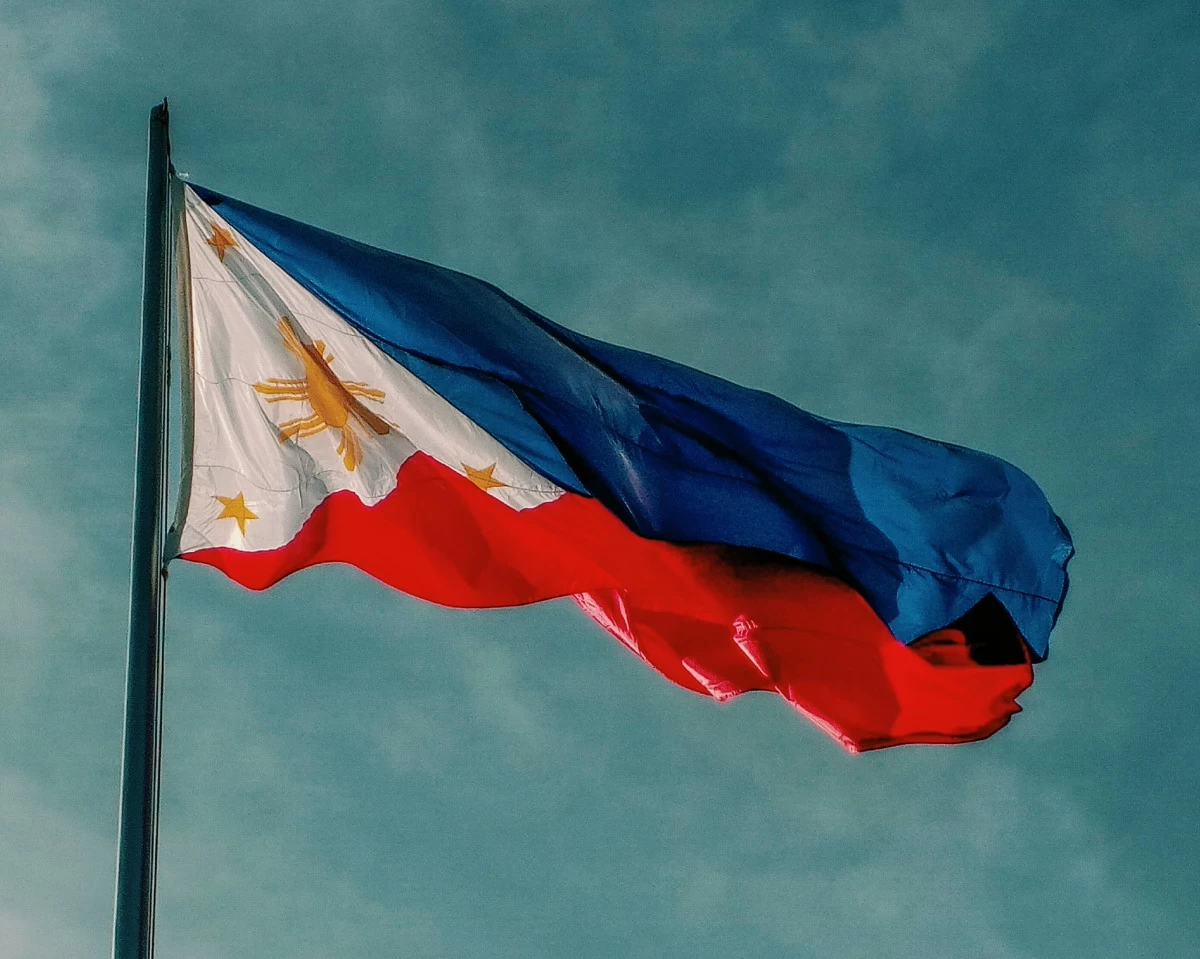
The Philippine flag (Unsplash)
The House "Young Guns" Bloc has filed what it called the "West Philippine Sea Education Act." But it could very well be called the "anti-Filipino traitor law".
The measure, House Bill (HB) No. 10587, was filed by Deputy Speakers Paolo Ortega V (La Union, 1st district), Jay Khonghun (Zambales, 1st district); and Deputy Majority Leaders Rodge Gutierrez (1-Rider Party-list) Zia Alonto Adiong (Lanao del Sur, 1st district), and Ernix Dionisio (Manila, 1st district).
The measure institutionalizes a comprehensive West Philippine Sea (WPS) Education and Awareness Program to combat foreign propaganda about the body of water.
It mandates the integration of age-appropriate WPS education into basic and higher education curricula.
“Filipino students must learn the facts—that we are advocating for a rules-based international order, and that the [WPS] is rightfully ours,” the Young Guns said on Thursday, Aug, 6 in a joint statement.
“Naniniwala kami na dapat lahat ng Pilipino—lalong lalo na ang mga halal ng bayan—ay hindi dapat maging traydor. Dapat tayo ay manindigan kung ano ang sa atin,” the group emphasized.
(We believe that all Filipinos—especially those elected by the people—should never be traitors. We must stand for what is ours.)
“Para hindi lumaki na traydor sa bayan, dapat simulan natin ngayon sa ating mga paaralan ang pagtuturo ng katotohanan tungkol sa [WPS]," added the House clique as it laid down the bill's thesis statement.
(To prevent growing up as traitors to the nation, we must begin now in our schools teaching the truth about the WPS.)
HB No. 10587 promotes national understanding of the Philippines’ maritime rights under the Constitution, Republic Act No. 12064 (Philippine Maritime Zones Act), the United Nations Convention on the Law of the Sea (UNCLOS), and the 2016 South China Sea Arbitral Award.
Given to the Philippines by The Hague-based Permanent Court of Arbitration (PCA), the Arbitral Award invalidated China's expansive, historical claim in the South China Sea.
“Our young people are vulnerable to fake news and propaganda flooding social media. We have a duty to teach them the truth so they grow up armed with accurate, evidence-based knowledge of our sovereign rights and entitlements," then Young Guns said in further justifying the proposed statute.
'Pro-China narrative' slammed
The lawmakers stressed that the bill is urgently needed amid ongoing challenges in the WPS.
“It is very unfortunate that even some public officials are openly spreading the pro-China narrative and defending them while they water-cannon our men and the fisherfolk,” they said. “This cannot continue.”
The authors didn't identify these local officials.
HB No. 10587 directs the Department of Education (DepEd) and the Commission on Higher Education (CHEd) to develop standardized, regularly updated learning materials in coordination with NAMRIA, the National Security Council (NSC), the Department of Foreign Affairs (DFA), the National Maritime Council, the Philippine Coast Guard (PCG), and other relevant agencies.
It also provides for educator capacity-building, nationwide public awareness campaigns, and research on maritime security, marine biodiversity, Philippine maritime claims, and the welfare of coastal communities.
The bill ensures that instruction remains nonpartisan, evidence-based, and anchored on internationally recognized facts, official government maps and policies, and the principles of peaceful dispute settlement.