ADVERTISEMENT

Global demand for Filipino VAs surges despite AI concerns

Published Aug 6, 2026 06:30 am
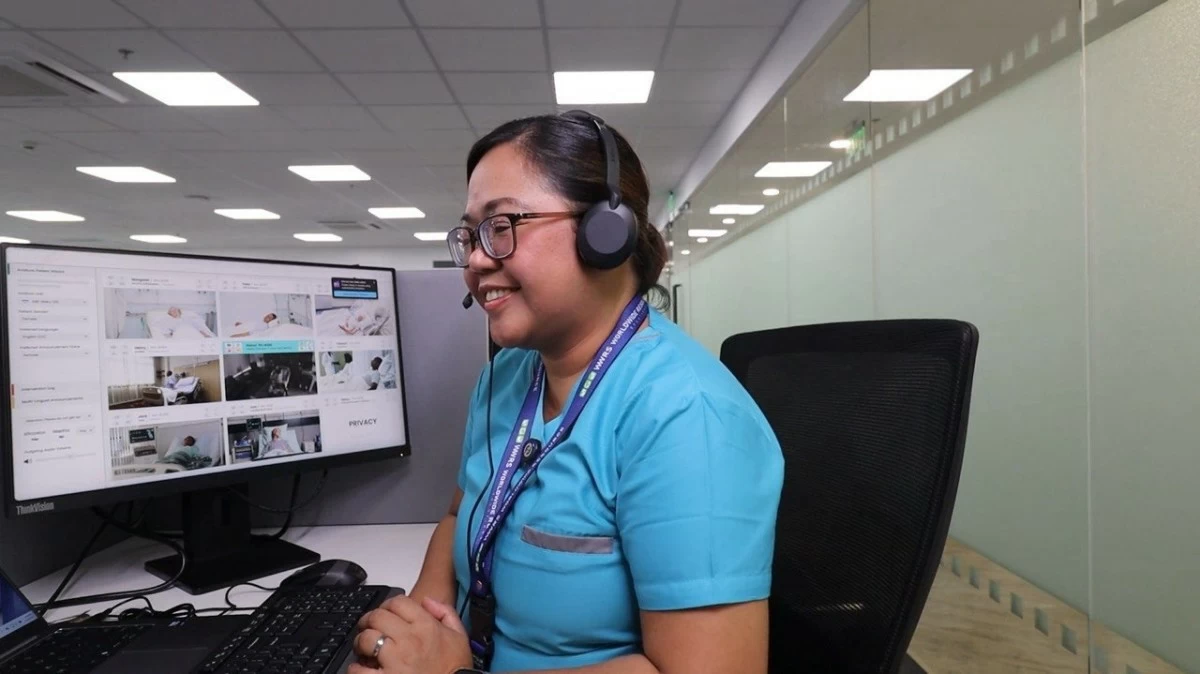
Philippine-based virtual sitters -- who are not licensed nurses but have at least two years of healthcare experience -- monitor up to 15 patients at a time through high-resolution video feeds.

Global demand for Filipino virtual assistants (VAs) surged in the second quarter as new international client signups more than doubled, signaling continued strength in the country’s remote work sector despite growing concerns that advances in artificial intelligence (AI) could disrupt parts of the business process outsourcing (BPO) industry.

According to the 2026 edition of The State of the Filipino Virtual Assistant Industry report released by global recruitment agency VA Masters, new international client signups jumped 110 percent between the first and second quarters of the year as overseas companies increasingly turned to Filipino remote professionals to support business growth.

The report found that international employers were primarily hiring Filipino professionals with skills in administrative support, bookkeeping, e-commerce, social media management, and digital marketing.

A key finding was that international businesses are increasingly finding Filipino talent organically rather than through aggressive marketing campaigns. More than 81 percent of new clients signed up directly through the VA Masters website, while referrals accounted for eight percent and paid social media advertising for only five percent.

“Our fast growth shows a permanent change in how global business leaders build their teams,” VA Masters founder and chief executive officer (CEO) Alon Pearl said in a statement last Wednesday, Aug. 5.

“Modern companies are actively looking for simple, affordable ways to grow. Because four out of five clients find us directly on their own, it proves that business owners are searching for reliable remote workers rather than waiting for someone to pitch them.”

The report also found that companies can save as much as 80 percent by hiring Filipino virtual assistants instead of recruiting comparable employees locally, making the Philippines an increasingly attractive source of remote talent for international employers.

To accommodate rising demand, VA Masters said it has streamlined its recruitment process, reducing the median time from contract signing to a client’s first onboarding meeting with a Filipino VA to just two days.

The United States (US) remained the industry’s largest market, accounting for 69 percent of active client contracts, followed by the United Kingdom (UK) with 11 percent and Australia and New Zealand with nine percent. Overall, demand for Filipino VAs now spans four continents and more than 10 countries.

The report also showed that the industry is largely driven by small businesses. About 87 percent of clients employ fewer than 50 workers, underscoring the growing role of virtual assistants in helping small- and medium-sized enterprises expand while managing costs.

The strong demand comes despite earlier warnings from the World Bank that advances in AI could reshape parts of the Philippine BPO industry by automating routine tasks and requiring workers to upgrade their digital and analytical skills to remain competitive. - Danielle T. Bayani

Related Tags

virtual assistant (VA)
ADVERTISEMENT
.most-popular .layout-ratio{ padding-bottom: 79.13%; } @media (min-width: 768px) and (max-width: 1024px) { .widget-title { font-size: 15px !important; } }

{{ articles_filter_1561_widget.title }}

.most-popular .layout-ratio{ padding-bottom: 79.13%; } @media (min-width: 768px) and (max-width: 1024px) { .widget-title { font-size: 15px !important; } }

{{ static_articles_1562_widget.title }}

.most-popular .layout-ratio{ padding-bottom: 79.13%; } @media (min-width: 768px) and (max-width: 1024px) { .widget-title { font-size: 15px !important; } }

{{ articles_filter_1563_widget.title }}

{{ articles_filter_1564_widget.title }}

.mb-article-details { position: relative; } .mb-article-details .article-body-preview, .mb-article-details .article-body-summary{ font-size: 17px; line-height: 30px; font-family: "Libre Caslon Text", serif; color: #000; } .mb-article-details .article-body-preview iframe , .mb-article-details .article-body-summary iframe{ width: 100%; margin: auto; } .read-more-background { background: linear-gradient(180deg, color(display-p3 1.000 1.000 1.000 / 0) 13.75%, color(display-p3 1.000 1.000 1.000 / 0.8) 30.79%, color(display-p3 1.000 1.000 1.000) 72.5%); position: absolute; height: 200px; width: 100%; bottom: 0; display: flex; justify-content: center; align-items: center; padding: 0; } .read-more-background a{ color: #000; } .read-more-btn { padding: 17px 45px; font-family: Inter; font-weight: 700; font-size: 18px; line-height: 16px; text-align: center; vertical-align: middle; border: 1px solid black; background-color: white; } .hidden { display: none; }
function initializeAllSwipers() { // Get all hidden inputs with cms_article_id document.querySelectorAll('[id^="cms_article_id_"]').forEach(function (input) { const cmsArticleId = input.value; const articleSelector = '#article-' + cmsArticleId + ' .body_images'; const swiperElement = document.querySelector(articleSelector); if (swiperElement && !swiperElement.classList.contains('swiper-initialized')) { new Swiper(articleSelector, { loop: true, pagination: false, navigation: { nextEl: '#article-' + cmsArticleId + ' .swiper-button-next', prevEl: '#article-' + cmsArticleId + ' .swiper-button-prev', }, }); } }); } setTimeout(initializeAllSwipers, 3000); const intersectionObserver = new IntersectionObserver( (entries) => { entries.forEach((entry) => { if (entry.isIntersecting) { const newUrl = entry.target.getAttribute("data-url"); if (newUrl) { history.pushState(null, null, newUrl); let article = entry.target; // Extract metadata const author = article.querySelector('.author-section').textContent.replace('By', '').trim(); const section = article.querySelector('.section-info ').textContent.replace(' ', ' '); const title = article.querySelector('.article-title h1').textContent; // Parse URL for Chartbeat path format const parsedUrl = new URL(newUrl, window.location.origin); const cleanUrl = parsedUrl.host + parsedUrl.pathname; // Update Chartbeat configuration if (typeof window._sf_async_config !== 'undefined') { window._sf_async_config.path = cleanUrl; window._sf_async_config.sections = section; window._sf_async_config.authors = author; } // Track virtual page view with Chartbeat if (typeof pSUPERFLY !== 'undefined' && typeof pSUPERFLY.virtualPage === 'function') { try { pSUPERFLY.virtualPage({ path: cleanUrl, title: title, sections: section, authors: author }); } catch (error) { console.error('ping error', error); } } // Optional: Update document title if (title && title !== document.title) { document.title = title; } } } }); }, { threshold: 0.1 } ); function showArticleBody(button) { const article = button.closest("article"); const summary = article.querySelector(".article-body-summary"); const body = article.querySelector(".article-body-preview"); const readMoreSection = article.querySelector(".read-more-background"); // Hide summary and read-more section summary.style.display = "none"; readMoreSection.style.display = "none"; // Show the full article body body.classList.remove("hidden"); } document.addEventListener("DOMContentLoaded", () => { let loadCount = 0; // Track how many times articles are loaded const offset = [1, 2, 3, 4, 5, 6, 7, 8, 9, 10]; // Offset values const currentUrl = window.location.pathname.substring(1); let isLoading = false; // Prevent multiple calls if (!currentUrl) { console.log("Current URL is invalid."); return; } const sentinel = document.getElementById("load-more-sentinel"); if (!sentinel) { console.log("Sentinel element not found."); return; } function isSentinelVisible() { const rect = sentinel.getBoundingClientRect(); return ( rect.top < window.innerHeight && rect.bottom >= 0 ); } function onScroll() { if (isLoading) return; if (isSentinelVisible()) { if (loadCount >= offset.length) { console.log("Maximum load attempts reached."); window.removeEventListener("scroll", onScroll); return; } isLoading = true; const currentOffset = offset[loadCount]; window.loadMoreItems().then(() => { let article = document.querySelector('#widget_1690 > div:nth-last-of-type(2) article'); intersectionObserver.observe(article) loadCount++; }).catch(error => { console.error("Error loading more items:", error); }).finally(() => { isLoading = false; }); } } window.addEventListener("scroll", onScroll); });

Sign up by email to receive news.