






Manila Bulletin
 Business
The Stock Market
Cebu Pacific swings to ₱5.9-billion loss as operating costs surge 23%
Business
The Stock Market
Cebu Pacific swings to ₱5.9-billion loss as operating costs surge 23%
Business
The Stock Market
Cebu Pacific swings to ₱5.9-billion loss as operating costs surge 23%
Cebu Pacific swings to ₱5.9-billion loss as operating costs surge 23%
Published Aug 6, 2026 06:51 pm


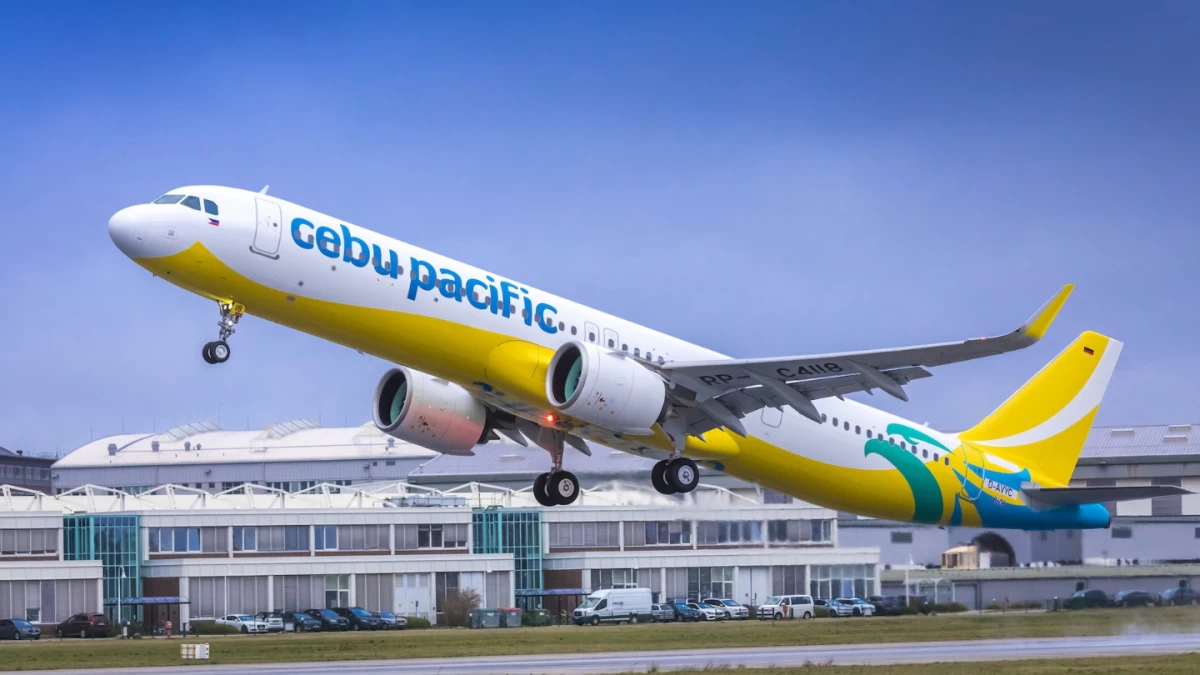
The net loss of low-cost carrier Cebu Pacific widened to nearly ₱6 billion in the first half, as higher revenues failed to offset an “unprecedented” increase in operating costs due to higher jet fuel prices and the peso’s weaker value against foreign currencies.
Cebu Pacific parent firm Cebu Air Inc. reported that it incurred a net loss of ₱5.87 billion from January to June, a sharp reversal from the ₱8.97 billion profit recorded in the same period last year.
The company said revenues grew by more than eight percent to ₱68.56 billion from the previous year’s ₱63.33 billion, which was just enough to absorb the 23-percent increase in expenses to ₱68.23 billion.
Flying operations, in particular, expanded by a half to ₱30.88 billion in the first six months compared to ₱20.59 billion incurred a year ago, mainly due to higher jet fuel prices.
Cebu Pacific also had to deal with the continued depreciation of the Philippine peso against foreign currencies, as foreign exchange losses rose nearly 23-fold to ₱2.46 billion from ₱107 million last year, weighing heavily on its dollar-denominated debt.
Putting it simply, Cebu Pacific Chief Executive Officer (CEO) Michael Szucs said this year already ranks among the “most challenging operating environments” for the airline since the pandemic.
“Despite these external pressures, demand for affordable air travel remained resilient, revenue continued to grow, and we further strengthened our market leadership,” he said.
Based on its passenger traffic report, Cebu Pacific carried a total of 14.5 million passengers in the first half, up 4.3 percent from 13.91 million in the same period last year.
The airline said it ended the first half with a domestic market share of 60 percent, compared to 55 percent a year ago.
Given the stronger demand for air travel, passenger revenues surged by 6.8 percent to ₱47.24 billion, while ancillary or non-ticket revenues accelerated faster by 11 percent to ₱17.36 billion.
Demand was also firm when it comes to cargo services, as it went up by 13 percent to ₱3.97 billion from ₱3.51 billion due to the increase in cargo volume carried.
As market conditions improve, Szucs said the carrier is confident about its long-term growth opportunities, especially after expanding its fleet to a total of 102 aircraft this year.
Earlier, Cebu Pacific Chief Financial Officer Mark Cezar said expanding its fleet enables the airline to deploy capacity when it is needed most, including through wet lease agreements with other carriers.
Last month, Cebu Pacific signed a deal with Vietnam Airlines for the deployment of its Airbus A320neo aircraft, as it sought to capitalize on the lean season in the third quarter by securing another revenue stream.