






Manila Bulletin
 Philippines
National
Ateneo-led study identifies weather pattern behind extreme 'habagat' rains
Philippines
National
Ateneo-led study identifies weather pattern behind extreme 'habagat' rains
Philippines
National
Ateneo-led study identifies weather pattern behind extreme 'habagat' rains
Ateneo-led study identifies weather pattern behind extreme 'habagat' rains
Published Aug 6, 2026 04:01 pm


At A Glance
- Researchers analyzed 53 cases of extreme habagat rainfall enhanced by tropical cyclones between 1981 and 2023 to determine the weather conditions that consistently preceded the country's heaviest monsoon rains.
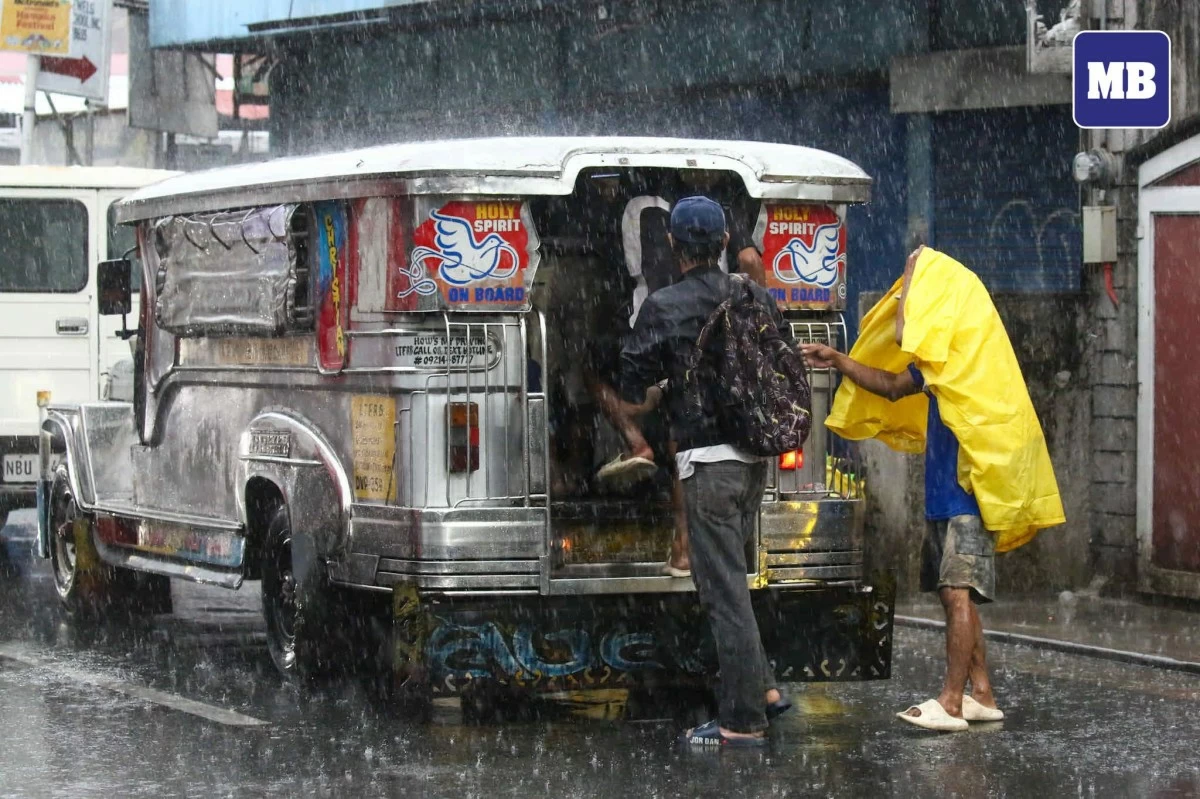
(John Louie Abrina/Manila Bulletin file photo)
Ateneo de Manila University (AdMU) scientists have identified a weather pattern behind the Philippines' most extreme southwest monsoon or “habagat” rainfall events, a finding that could improve forecasts of prolonged heavy rains.
The study, conducted by AdMU’s VORTEX Research Lab and the Manila Observatory in collaboration with the Philippine Atmospheric, Geophysical and Astronomical Services Administration (PAGASA) and Tokyo Metropolitan University, was published in the July 2026 issue of the journal Atmospheric Research.
Researchers analyzed 53 cases of extreme habagat rainfall enhanced by tropical cyclones between 1981 and 2023 to determine the weather conditions that consistently preceded the country's heaviest monsoon rains.
“Analysis of over four decades of extreme Habagat events has revealed that the country's heaviest southwest monsoon rains are driven not by a single weather event but by a combination of atmospheric conditions that come together across thousands of kilometers,” the study said.
The researchers found that the recurring pattern consists of “a strengthened habagat, a tropical cyclone northeast of the Philippines, and other atmospheric conditions that allow large amounts of moisture to flow toward the country.”
They said that together, these conditions form the “moisture conveyor belt,” which transports water vapor from the Indian Ocean across Southeast Asia to the Philippines.
“When this conditions are in place, they lead to prolonged periods of intense rainfall,” the researchers said.
The study also found that the buildup to these extreme rainfall events begins several days before the heaviest rains occur as the southwest monsoon strengthens over the northern Indian Ocean and helps establish the moisture conveyor belt.
According to the researchers, the findings suggest that the country's most severe habagat events follow a recurring large-scale weather pattern rather than occur randomly.
Beyond explaining how these events develop, the researchers said the findings could help scientists better recognize atmospheric conditions that favor extreme southwest monsoon episodes.
The study also found that existing operational weather forecast models already capture many of these large-scale weather patterns, providing a foundation for further improving predictions of high-impact habagat events.
The research, titled “Synoptic conditions favoring tropical cyclone-enhanced southwest monsoon high precipitation events in the Philippines,” was authored by Alwin Andriel L. Bathan, Lyndon Mark P. Olaguera, Faye Abigail T. Cruz, Jose Ramon T. Villarin, John A. Manalo, and Jun Matsumoto.