ADVERTISEMENT

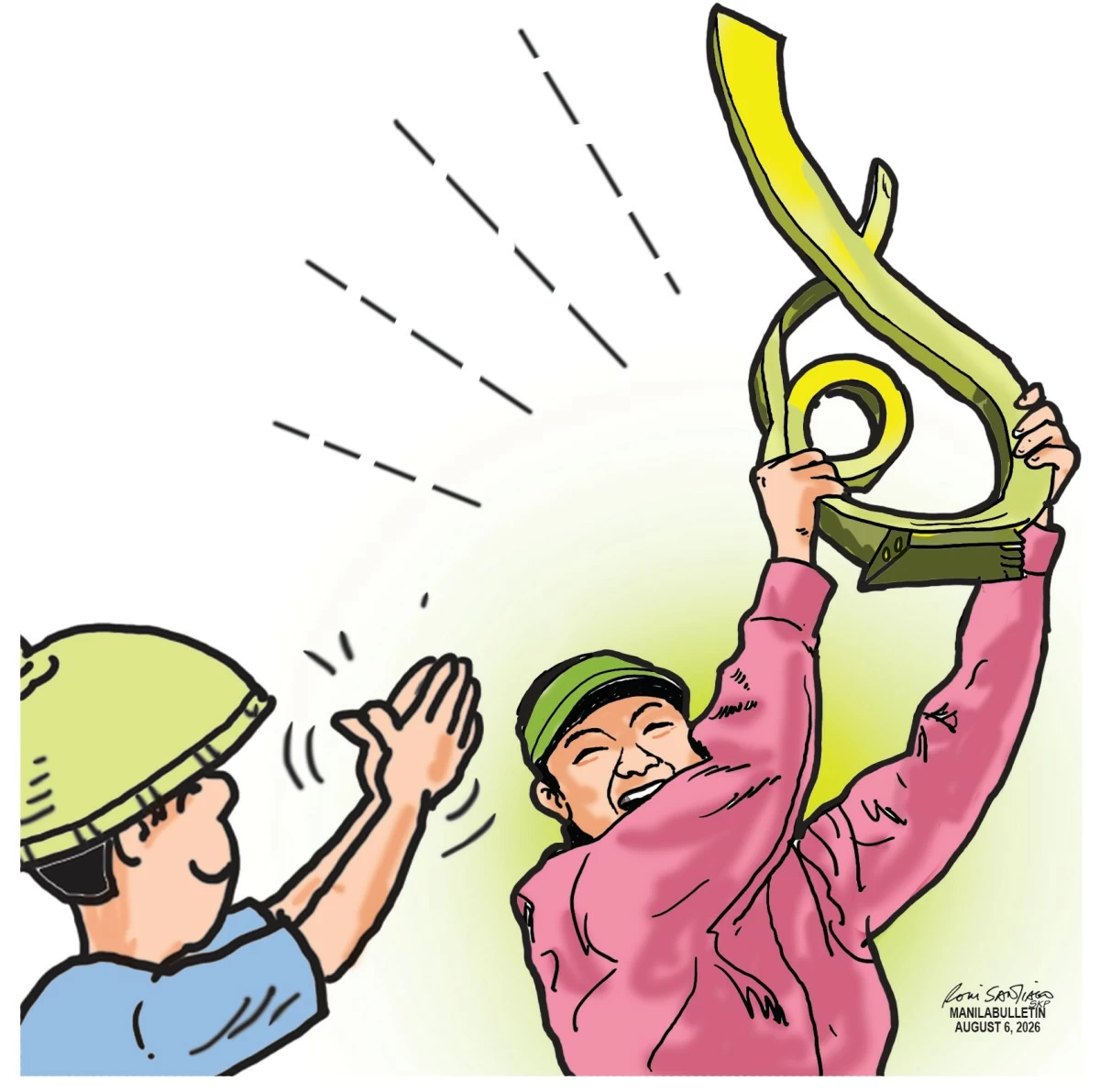
Alex Eala's triumph, a wake-up call

Published Aug 6, 2026 12:01 am  |  Updated Aug 5, 2026 03:57 pm
For a country weighed down by endless political noise, controversy, and public frustration, Alex Eala's historic victory at the WTA 500 Mubadala Open in Washington, DC, came like a refreshing breeze. Her breakthrough as the first Filipina to capture a WTA 500 singles title was not merely a sporting achievement. It became a rare moment when Filipinos, regardless of political affiliation, found themselves united in celebration rather than divided by endless debates and mudslinging.
At a time when the national conversation has been dominated by political wrangling and lingering questions surrounding flood control projects, Eala reminded the nation that excellence, not conflict, deserves the loudest applause.
Her victory was earned the hard way. It was built on years of discipline, sacrifice, and relentless improvement. It was no accident that one of the world's finest players, Jessica Pegula, offered heartfelt praise after the final. "I want to congratulate Alex on an amazing tournament," said the world No. 3 and Mubadala Open top seed, adding that Eala's remarkable progress over the past few years and the passionate support she receives everywhere she plays are “amazing.” Earlier in the tournament, Pegula had already described the Filipina as “the future of the tour” after Eala defeated Naomi Osaka.
Those words carry enormous weight because they come from athletes who understand greatness better than anyone.
The accolades did not stop there. Former British No. 1 Greg Rusedski called Eala “the most exciting player on the WTA Tour,” praising her fearless style, strong mentality, and ability to take the ball early. While noting that further improvements to her serve could elevate her to Grand Slam contention, he made it clear that the rest of her game already belongs among the elite.
Former US Open champion Andy Roddick echoed that assessment, calling Eala “the real deal.” He admired her willingness to challenge the world’s best without intimidation and observed that her ability to redirect pace and pressure opponents makes her a dangerous competitor no top seed wants to face early in a tournament.
Perhaps the most meaningful recognition came from Rafael Nadal, whose academy helped shape Eala's development. The Spanish legend congratulated his former student on social media, calling the championship “a well-deserved title for all the hard work.”
These endorsements are more than compliments. They are affirmations from respected voices that the Philippines has produced an athlete capable of standing shoulder to shoulder with the world’s best.
Yet Eala’s greatest contribution may extend beyond tennis.
Her journey offers a powerful lesson for Philippine leaders. Progress is never built on endless political point-scoring or personal rivalries. It is achieved through preparation, discipline, accountability, and an unwavering commitment to a larger purpose. The same qualities that lifted Eala to international glory are the very virtues needed to move the Philippines forward.
Imagine what the Philippines could accomplish if public officials pursued excellence with the same determination Eala displays on every point, placing country above politics and service above self-interest.
Alex Eala has given the nation more than a championship trophy. She has restored hope, even if only for a moment. She reminded Filipinos that greatness is still possible, that hard work still matters, and that the Philippine flag can still rise proudly on the world stage because of talent, integrity, and perseverance.
May her remarkable ascent inspire not only the next generation of athletes but also those entrusted with leading the nation. The Philippines deserves more victories like Alex Eala’s—and far fewer distractions from the work of building a better future.

Related Tags

Alex Eala Philippine Tennis History First Filipina WTA Champion Eala WTA 500 Mubadala Open WTA 500 Single Champion 2026
ADVERTISEMENT
.most-popular .layout-ratio{ padding-bottom: 79.13%; } @media (min-width: 768px) and (max-width: 1024px) { .widget-title { font-size: 15px !important; } }

{{ articles_filter_1561_widget.title }}

.most-popular .layout-ratio{ padding-bottom: 79.13%; } @media (min-width: 768px) and (max-width: 1024px) { .widget-title { font-size: 15px !important; } }

{{ static_articles_1562_widget.title }}

.most-popular .layout-ratio{ padding-bottom: 79.13%; } @media (min-width: 768px) and (max-width: 1024px) { .widget-title { font-size: 15px !important; } }

{{ articles_filter_1563_widget.title }}

{{ articles_filter_1564_widget.title }}

.mb-article-details { position: relative; } .mb-article-details .article-body-preview, .mb-article-details .article-body-summary{ font-size: 17px; line-height: 30px; font-family: "Libre Caslon Text", serif; color: #000; } .mb-article-details .article-body-preview iframe , .mb-article-details .article-body-summary iframe{ width: 100%; margin: auto; } .read-more-background { background: linear-gradient(180deg, color(display-p3 1.000 1.000 1.000 / 0) 13.75%, color(display-p3 1.000 1.000 1.000 / 0.8) 30.79%, color(display-p3 1.000 1.000 1.000) 72.5%); position: absolute; height: 200px; width: 100%; bottom: 0; display: flex; justify-content: center; align-items: center; padding: 0; } .read-more-background a{ color: #000; } .read-more-btn { padding: 17px 45px; font-family: Inter; font-weight: 700; font-size: 18px; line-height: 16px; text-align: center; vertical-align: middle; border: 1px solid black; background-color: white; } .hidden { display: none; }
function initializeAllSwipers() { // Get all hidden inputs with cms_article_id document.querySelectorAll('[id^="cms_article_id_"]').forEach(function (input) { const cmsArticleId = input.value; const articleSelector = '#article-' + cmsArticleId + ' .body_images'; const swiperElement = document.querySelector(articleSelector); if (swiperElement && !swiperElement.classList.contains('swiper-initialized')) { new Swiper(articleSelector, { loop: true, pagination: false, navigation: { nextEl: '#article-' + cmsArticleId + ' .swiper-button-next', prevEl: '#article-' + cmsArticleId + ' .swiper-button-prev', }, }); } }); } setTimeout(initializeAllSwipers, 3000); const intersectionObserver = new IntersectionObserver( (entries) => { entries.forEach((entry) => { if (entry.isIntersecting) { const newUrl = entry.target.getAttribute("data-url"); if (newUrl) { history.pushState(null, null, newUrl); let article = entry.target; // Extract metadata const author = article.querySelector('.author-section').textContent.replace('By', '').trim(); const section = article.querySelector('.section-info ').textContent.replace(' ', ' '); const title = article.querySelector('.article-title h1').textContent; // Parse URL for Chartbeat path format const parsedUrl = new URL(newUrl, window.location.origin); const cleanUrl = parsedUrl.host + parsedUrl.pathname; // Update Chartbeat configuration if (typeof window._sf_async_config !== 'undefined') { window._sf_async_config.path = cleanUrl; window._sf_async_config.sections = section; window._sf_async_config.authors = author; } // Track virtual page view with Chartbeat if (typeof pSUPERFLY !== 'undefined' && typeof pSUPERFLY.virtualPage === 'function') { try { pSUPERFLY.virtualPage({ path: cleanUrl, title: title, sections: section, authors: author }); } catch (error) { console.error('ping error', error); } } // Optional: Update document title if (title && title !== document.title) { document.title = title; } } } }); }, { threshold: 0.1 } ); function showArticleBody(button) { const article = button.closest("article"); const summary = article.querySelector(".article-body-summary"); const body = article.querySelector(".article-body-preview"); const readMoreSection = article.querySelector(".read-more-background"); // Hide summary and read-more section summary.style.display = "none"; readMoreSection.style.display = "none"; // Show the full article body body.classList.remove("hidden"); } document.addEventListener("DOMContentLoaded", () => { let loadCount = 0; // Track how many times articles are loaded const offset = [1, 2, 3, 4, 5, 6, 7, 8, 9, 10]; // Offset values const currentUrl = window.location.pathname.substring(1); let isLoading = false; // Prevent multiple calls if (!currentUrl) { console.log("Current URL is invalid."); return; } const sentinel = document.getElementById("load-more-sentinel"); if (!sentinel) { console.log("Sentinel element not found."); return; } function isSentinelVisible() { const rect = sentinel.getBoundingClientRect(); return ( rect.top < window.innerHeight && rect.bottom >= 0 ); } function onScroll() { if (isLoading) return; if (isSentinelVisible()) { if (loadCount >= offset.length) { console.log("Maximum load attempts reached."); window.removeEventListener("scroll", onScroll); return; } isLoading = true; const currentOffset = offset[loadCount]; window.loadMoreItems().then(() => { let article = document.querySelector('#widget_1690 > div:nth-last-of-type(2) article'); intersectionObserver.observe(article) loadCount++; }).catch(error => { console.error("Error loading more items:", error); }).finally(() => { isLoading = false; }); } } window.addEventListener("scroll", onScroll); });

Sign up by email to receive news.