






Manila Bulletin
 Philippines
National
VP Sara defense to comply with Senate impeachment court rulings despite objections
Philippines
National
VP Sara defense to comply with Senate impeachment court rulings despite objections
Philippines
National
VP Sara defense to comply with Senate impeachment court rulings despite objections
VP Sara defense to comply with Senate impeachment court rulings despite objections
Poa says defense respects impeachment court's decisions, cites limits on judicial notice and document marking
Published Aug 5, 2026 07:10 pm


At A Glance
- VP Sara Duterte's defense team says it will comply with the Senate impeachment court's rulings despite opposing several prosecution motions.
- Defense Spokesperson Atty. Michael Wesley Poa says the court imposed clear limits on its rulings involving judicial notice and the marking of documentary evidence.
- The defense rejects claims of partiality and says it will continue asserting its legal arguments while complying with the court's directives.
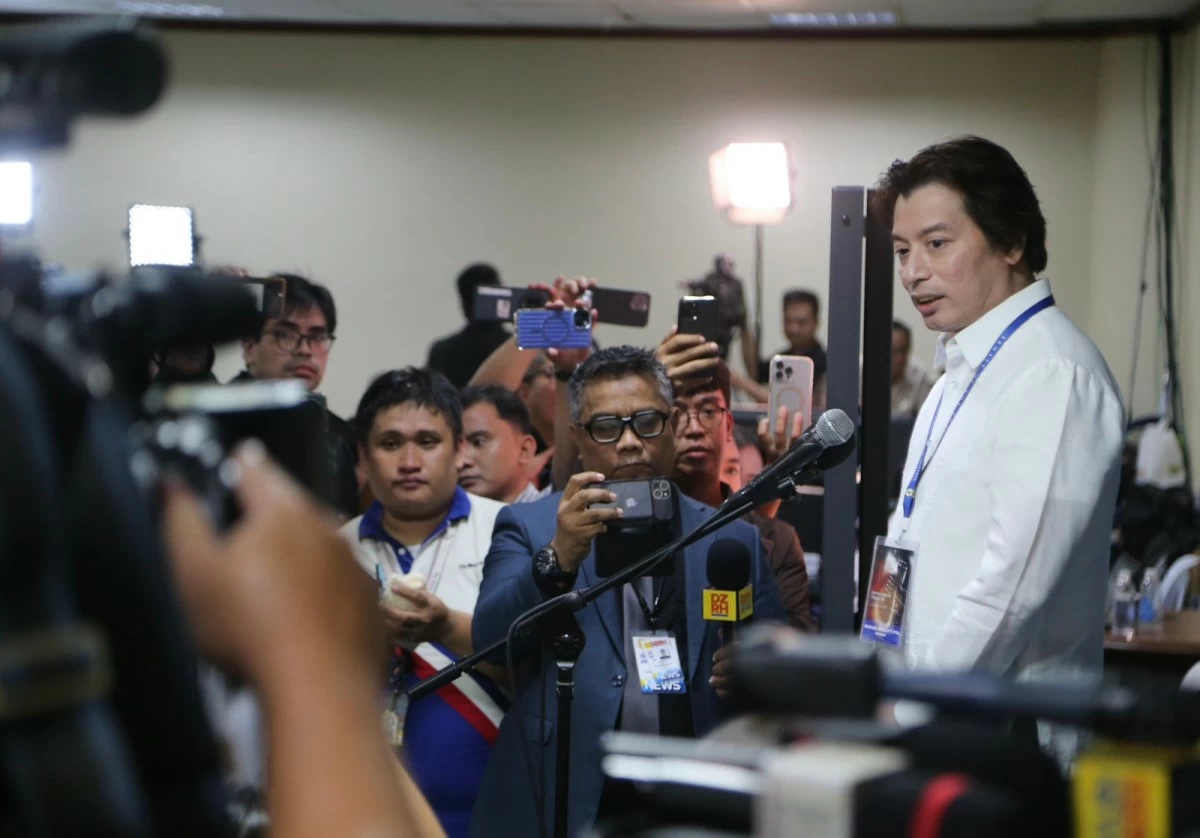
Defense spokesperson Atty. Michael Wesley Poa said Vice President Sara Duterte's legal team will comply with the Senate impeachment court's rulings, stressing that the tribunal itself imposed clear limitations on judicial notice and the marking of documentary evidence. (Mark Balmores / Manila Bulletin / file)
Stressing that the impeachment tribunal itself had imposed clear limitations on its rulings, the defense team of Vice President Sara Duterte on Wednesday, Aug. 5, said it would comply with the decisions of the Senate impeachment court despite objecting to several motions during the proceedings.
Defense spokesperson Atty. Michael Wesley Poa said the camp respects the authority of the impeachment court regardless of whether its rulings favor the defense.
"Kami, nirerespeto naman po talaga natin kahit ano yung maging ruling ng Senate Impeachment Court, whether it is in our favor or not (We respect whatever ruling the Senate impeachment court issues, whether it is in our favor or not)," he said.
Poa made the statement after the impeachment court granted the prosecution's motion for judicial notice and allowed the marking of certain documentary evidence during the proceedings.
He said the defense would comply with the court's ruling while reviewing the official journal to verify its exact wording, noting that the presiding officer emphasized the limitations of the decision.
"We'll comply with the impeachment court's ruling. We'll review the official journal, but based on what the presiding officer said, clear limitations were imposed," Poa said in a mix of English and Filipino.
Judicial notice has limits
Poa said the defense took note that while the impeachment court granted the prosecution's motion for judicial notice, it also clarified the scope of what was being recognized.
"Napansin naman po natin na maingat na rin po 'yung naging ruling dahil may restrictions imposed at limit—kumbaga nilimitahan at in-emphasize kung ano ibig sabihin ng pag-grant nila ng motion for Judicial Notice (We also noticed that the ruling was carefully crafted because restrictions and limits were imposed—in other words, the court clarified and emphasized what it meant by granting the motion for judicial notice)," he said.
Poa added that the defense considered the court's explanation important because it prevented any broader interpretation of the ruling beyond what was expressly allowed.
No admission of document contents
The defense spokesperson also addressed the impeachment court's decision allowing portions of documents associated with self-confessed Davao Death Squad member Arturo Lascañas to be marked.
Poa emphasized that allowing the documents to be marked did not mean the court had admitted their contents as evidence.
"While they allowed the marking, 'di ba, ang napag-usapan na rin naman (it was also discussed) that there is no admission as to anything in that document," Poa said, stressing that although the court allowed the documents to be marked, it did not admit anything contained in them as evidence. He added that the ruling merely recognizes the existence of the documents, not the truth of their contents.
He added that the defense would still have the opportunity to object if the prosecution formally offers the documents as evidence later in the impeachment trial.
"May panahon pa naman tayong mag- (We will still have the opportunity to object) ... once that document is offered as evidence," he added.
Rejects claims of partiality
Asked whether the defense believed the impeachment court had been unfair after several of its objections were denied, Poa rejected any suggestion of bias.
He said the court's rulings demonstrated caution because the presiding officer repeatedly underscored the limitations of the orders issued.
"Ayaw ko talagang mag-cast any aspersions as to the partiality or any notion of partiality on the impeachment court (I do not want to cast any aspersions or suggest any form of partiality on the part of the impeachment court)," he said.
Poa added that the presiding officer even took "extra steps" to explain the scope and implications of the rulings.
"The Presiding Officer took extra steps... to really emphasize na while they are taking judicial notice or allowing the marking, hanggang ganito lang ang sakop niyan (that judicial notice and the marking of documents are limited only to a specific scope)," he said.
For this reason, he said, the defense has no intention of questioning the impeachment court's impartiality and would instead continue presenting its legal arguments during the trial.
Defense to follow court directives
Poa also declined to revisit the defense's arguments against the prosecution's motions, saying the impeachment court had already ruled on the issues.
"The court already made the ruling, so there's no need to belabor that point," he added.
He said the defense would continue to comply with the impeachment court's directives while asserting its legal positions throughout the proceedings.