






Manila Bulletin
 Environment and Sustainability
The toxic afterlife of e-waste and the hidden cost of digital progress
Environment and Sustainability
The toxic afterlife of e-waste and the hidden cost of digital progress
Environment and Sustainability
The toxic afterlife of e-waste and the hidden cost of digital progress
The toxic afterlife of e-waste and the hidden cost of digital progress
Published Aug 5, 2026 12:32 pm
|
Updated Aug 5, 2026 11:54 am


Have you ever wondered where the phone, laptop, refrigerator, or charger you dispose of goes after you discard it? Some are brought to recycling centers, while others end up in landfills as electronic waste, or e-waste. Still others are transported from different parts of the world disguised as donations or recyclable materials, only to end up as hazardous waste in countries like the Philippines.
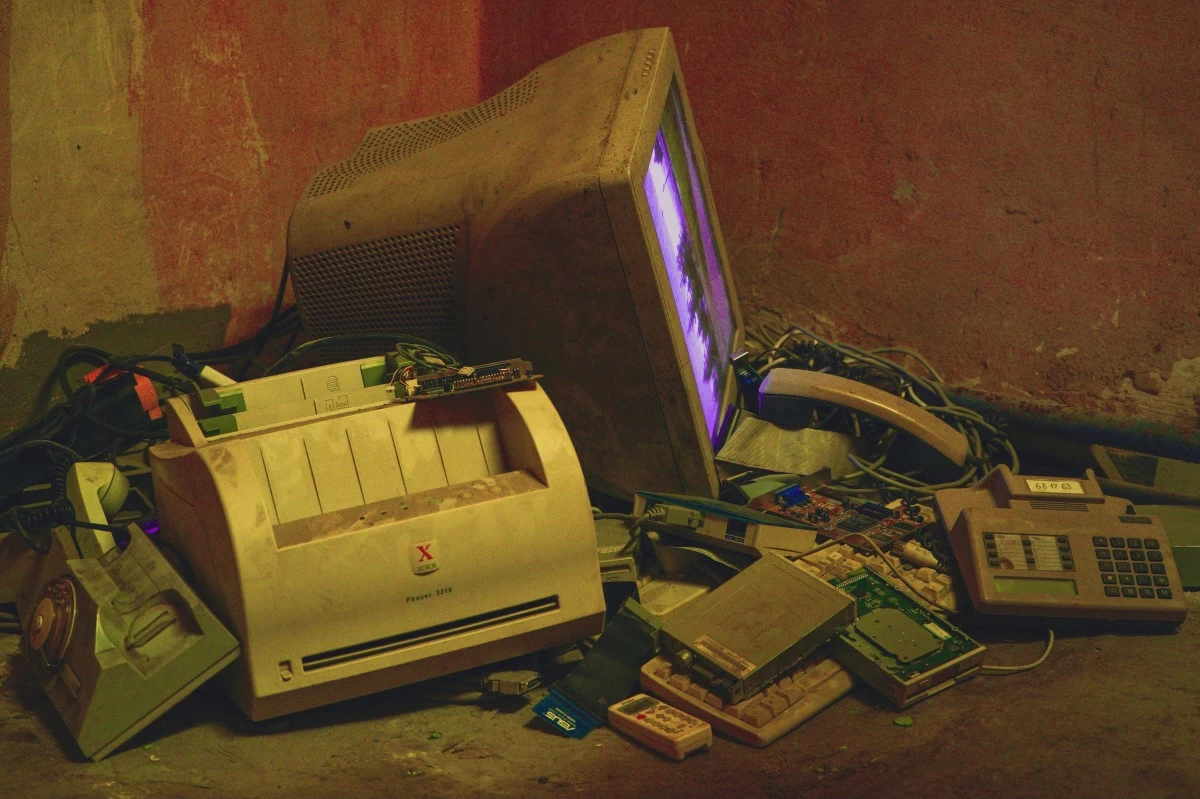
The Philippine News Agency reported that environmental groups estimate more than 200 containers of suspected e-waste have arrived in the country. The Bureau of Customs recently convened government agencies to discuss their respective roles in investigating and managing these shipments. Authorities are also looking into suspected processing activities inside the free port, including allegations that some establishments discarded residual materials that may harm the environment. Additionally, the health and welfare of workers who handle e-waste, as well as people in nearby communities, are at risk.
The problem has long been a global challenge. The World Health Organization reported that only 22 percent of the 62 million metric tons of e-waste generated worldwide has been formally collected and recycled. The gap between what the world consumes and what it safely recovers continues to widen.
E-waste is particularly dangerous because it contains both valuable and hazardous materials. Gold, copper, silver, palladium, and rare earth elements make discarded electronics attractive to recyclers. At the same time, these devices may also contain lead, mercury, cadmium, nickel, brominated flame retardants, acids, plastics, and battery chemicals. This is where proper e-waste management becomes critical. Modern facilities can recover valuable materials while protecting human health and the environment. However, poorly equipped junk shops and informal recycling operations can become toxic processing sites.
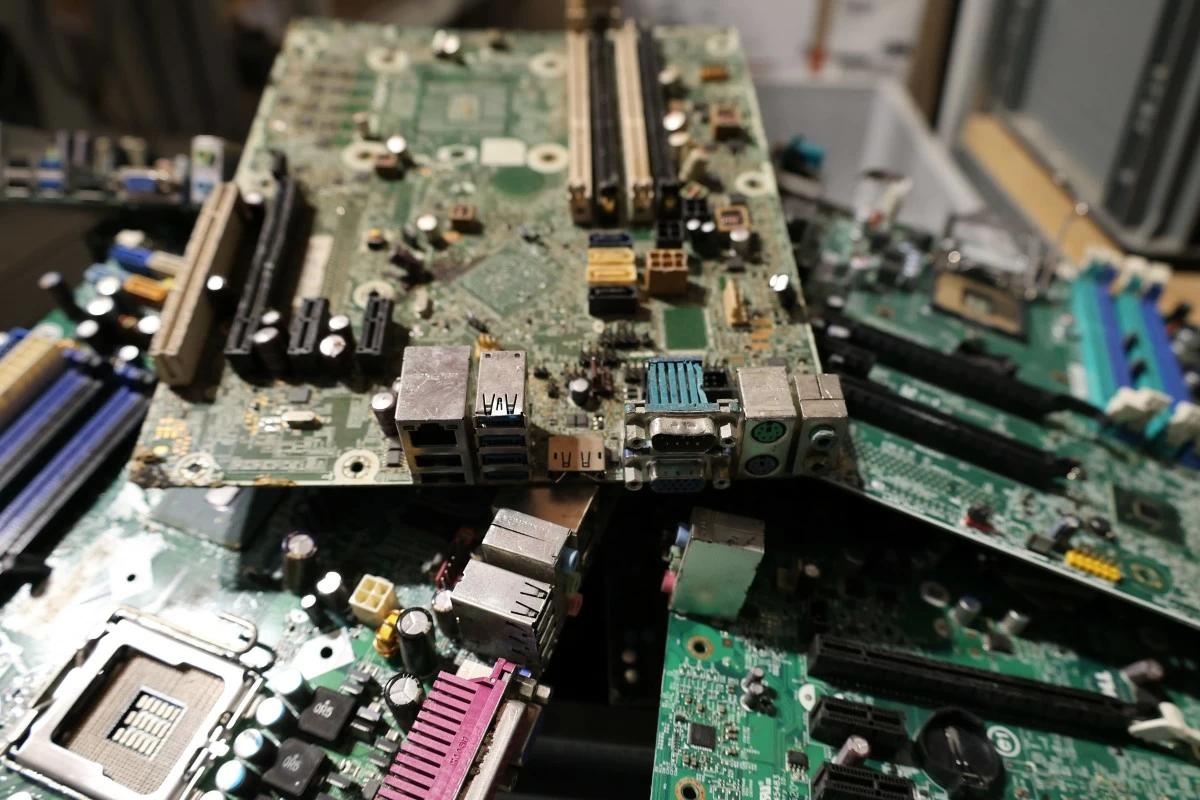
The danger begins with unsafe dismantling. Informal recyclers may smash screens, strip wires, burn plastic coatings, heat circuit boards, dissolve metals in acid, or dump unwanted components into waterways and vacant lots. These practices release toxic substances into the air, soil, dust, and water. Lead and cadmium can contaminate soil and groundwater. Mercury can move through ecosystems and accumulate in fish. Burning plastics and insulated wires releases dioxins, furans, and fine particles. Over time, the pollution spreads beyond the recycling sites, affecting farms, rivers, drainage systems, and nearby communities.
Many workers dismantling e-waste do not have adequate protective equipment. Some work without gloves, masks, proper ventilation, or training. They inhale toxic fumes, come into contact with contaminated dust, and unknowingly bring pollutants home on their clothing and skin. Children are especially vulnerable because they breathe more air, drink more water, and consume more food relative to their body weight than adults. Their brains and bodies are also developing. Pregnant women likewise face greater risks because some toxic substances can cross the placenta and affect the fetus.
Exposure to e-waste pollution has been linked to respiratory irritation, reduced lung function, skin disorders, headaches, and increased risks to neurological development. Lead can damage the brain and nervous system. Mercury can impair coordination and development. Cadmium – a toxic, naturally occurring heavy metal widely used in rechargeable batteries, solar cells, and other products—can damage the kidneys and bones. Brominated flame retardants and other persistent chemicals can disrupt hormones and remain in the environment for years. The danger is not limited to workers. Families living near dumpsites or informal recycling areas may also be exposed through contaminated dust, food, water, and smoke.
When e-waste remains inside shipping containers for extended periods, the risks increase. Batteries can degrade, swell, leak, or even ignite, especially under hot and humid conditions. Damaged screens, lamps, and electronic components can release hazardous residues. Corrosion may spread through mixed loads, making material recovery more difficult and increasing the risk of chemical exposure once containers are opened. Moisture can also damage equipment that might otherwise have been reused, turning potentially repairable electronics into hazardous waste. If importers abandon these shipments, port authorities and local communities may ultimately bear both the environmental risk and the cost of disposal.
Globally, the movement of e-waste between nations, particularly from developed to developing countries, is regulated by agreements such as the Basel Convention. The treaty seeks to protect human health and the environment from hazardous waste, including discarded electronics and plastics. A 2025 amendment expanded controls over cross-border shipments of electrical and electronic waste and scrap, including materials intended for recycling. These measures make it more difficult to disguise hazardous shipments under vague labels. Still, laws are only as effective as the inspections, documentation systems, and penalties that enforce them.
Solutions must begin long before a device becomes waste. Manufacturers should design electronics that last longer, are easier to repair, and use safer materials that reduce risks to workers who eventually dismantle them. Producers should also take greater responsibility for batteries, chargers, and accessories, which often fall outside existing collection systems.
Consumers likewise have an important role. They can repair devices instead of replacing them prematurely, purchase durable products, return used electronics through verified collection programs, and avoid storing broken gadgets indefinitely. Schools, offices, and households should choose certified recyclers and ask where their discarded electronics go after collection.
E-waste reveals one of the hidden costs of digital progress. The devices that connect, entertain, and power modern life should not become a threat to human health and the environment once they reach the end of their useful lives.