

ADVERTISEMENT

Hungary braces for a full shutdown of the Paks nuclear plant as the Danube River hits record lows

Published Aug 5, 2026 10:29 am
BUDAPEST, Hungary (AP) — Hungary's only nuclear power plant will shut down for the first time in its history due to record-low water levels on the Danube River, Prime Minister Péter Magyar said Friday, adding that the plant may not come back online for several weeks as the river is expected to continue receding.
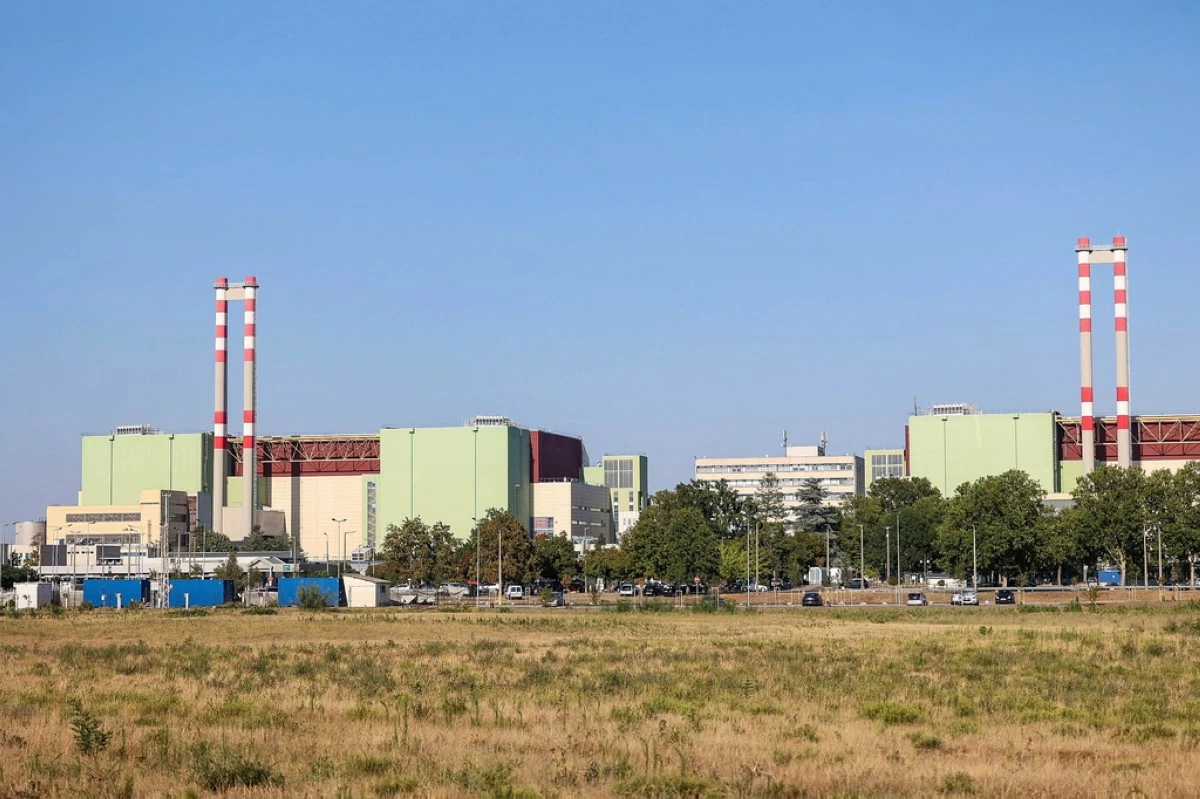
The MVM Paks Nuclear Power Plant, which had to close its Reactor 3 due to extremely low water levels on the Danube River, is seen in Paks, Hungary, Wednesday July 29, 2026. (Daniel Kiss)
The Paks nuclear plant, located around 90 kilometers (50 miles) south of the capital Budapest, is operating at less than half its normal capacity, producing 965 megawatts of power rather than the usual 2,000.
The plant uses water from the Danube to cool its reactors, but the exceptionally low water level has tested the ability of pumps to bring sufficient quantities into the plant.
Speaking at a news conference at the plant on Friday, Magyar said further reductions in output were imminent later Friday and that the entire plant will likely be powered down by Tuesday or Wednesday. He stressed that the shutdown can be performed safely and poses no risk to the public or environment.
The Soviet-built, four-reactor plant at Paks accounts for nearly half of Hungary's electricity production. If it is powered down, it will be the first time in its 44 years of service.
Hungary and much of Central Europe have been in a prolonged period of drought in recent months, disrupting tourism, agriculture and industry and confronting residents with the realities of climate change. Water levels are not expected to rise on the Danube in the coming days or even weeks, as no significant rainfall is forecast.
Magyar said Friday that the Danube’s water level has only risen on three occasions in the month of August in the last 20 years, and added that the level at Paks could recede to as low as negative 144 centimeters (negative 57 inches) — far below the previous record of negative 98 centimeters (negative 39 inches) set in 2018.
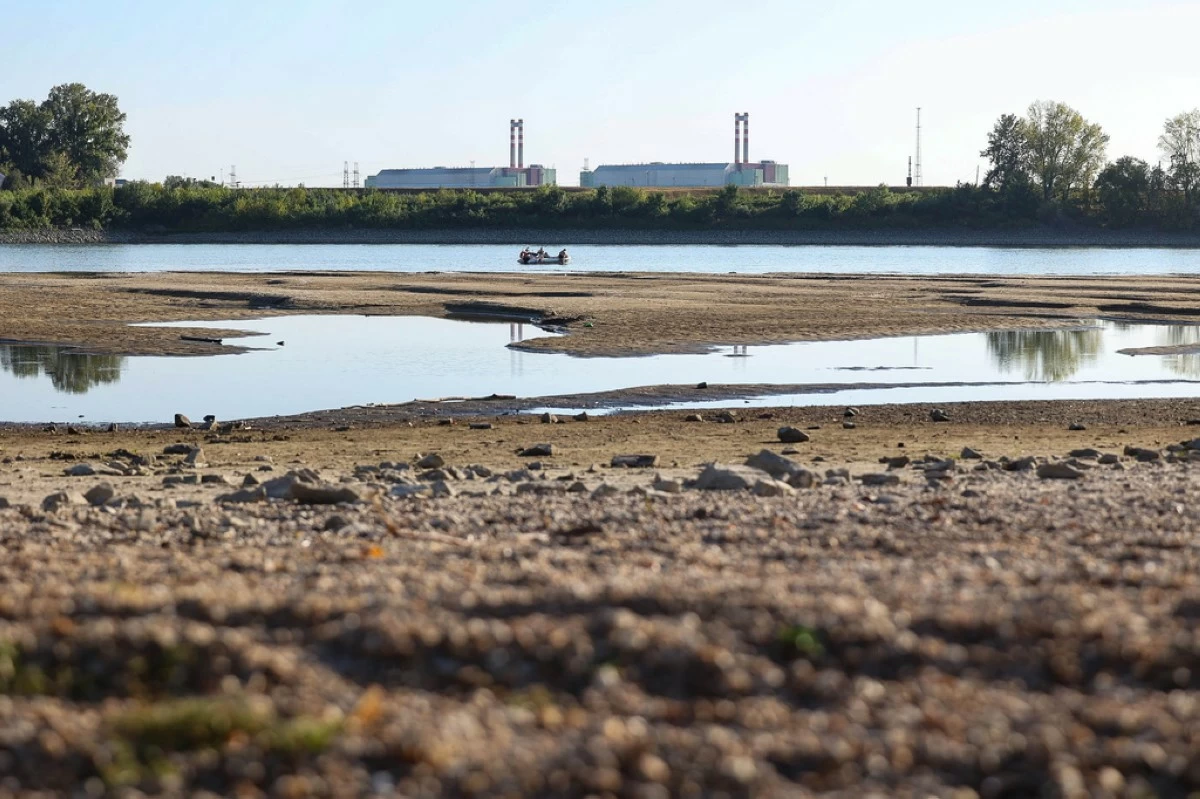
The MVM Paks Nuclear Power Plant, which had to close its Reactor 3 due to extremely low water levels on the Danube River, is seen in Paks, Hungary, Wednesday July 29, 2026. (Daniel Kiss)
A level of negative 134 centimeters requires the full powering down of the plant, he said. A negative reading means the river has fallen below the gauge’s zero reference level, not that the river is empty.
Hungary's government has requested that large companies that consume large quantities of energy voluntarily reduce their consumption to help stabilize the energy supply, particularly in peak demand hours between 5 p.m. and 10 p.m.
Magyar said Hungarian energy conglomerate MOL had committed to reducing its electricity needs by 65 megawatt-hours, a decrease of 40% from its normal consumption.
Magyar announced Friday that his party had recommended suspending parliamentary sessions planned for Monday and Tuesday in the interest of conserving energy. He also ordered that all state institutions turn off decorative lighting by Monday.

Related Tags

Nuclear power plant water level
ADVERTISEMENT
.most-popular .layout-ratio{ padding-bottom: 79.13%; } @media (min-width: 768px) and (max-width: 1024px) { .widget-title { font-size: 15px !important; } }

{{ articles_filter_1561_widget.title }}

.most-popular .layout-ratio{ padding-bottom: 79.13%; } @media (min-width: 768px) and (max-width: 1024px) { .widget-title { font-size: 15px !important; } }

{{ static_articles_1562_widget.title }}

.most-popular .layout-ratio{ padding-bottom: 79.13%; } @media (min-width: 768px) and (max-width: 1024px) { .widget-title { font-size: 15px !important; } }

{{ articles_filter_1563_widget.title }}

{{ articles_filter_1564_widget.title }}

.mb-article-details { position: relative; } .mb-article-details .article-body-preview, .mb-article-details .article-body-summary{ font-size: 17px; line-height: 30px; font-family: "Libre Caslon Text", serif; color: #000; } .mb-article-details .article-body-preview iframe , .mb-article-details .article-body-summary iframe{ width: 100%; margin: auto; } .read-more-background { background: linear-gradient(180deg, color(display-p3 1.000 1.000 1.000 / 0) 13.75%, color(display-p3 1.000 1.000 1.000 / 0.8) 30.79%, color(display-p3 1.000 1.000 1.000) 72.5%); position: absolute; height: 200px; width: 100%; bottom: 0; display: flex; justify-content: center; align-items: center; padding: 0; } .read-more-background a{ color: #000; } .read-more-btn { padding: 17px 45px; font-family: Inter; font-weight: 700; font-size: 18px; line-height: 16px; text-align: center; vertical-align: middle; border: 1px solid black; background-color: white; } .hidden { display: none; }
function initializeAllSwipers() { // Get all hidden inputs with cms_article_id document.querySelectorAll('[id^="cms_article_id_"]').forEach(function (input) { const cmsArticleId = input.value; const articleSelector = '#article-' + cmsArticleId + ' .body_images'; const swiperElement = document.querySelector(articleSelector); if (swiperElement && !swiperElement.classList.contains('swiper-initialized')) { new Swiper(articleSelector, { loop: true, pagination: false, navigation: { nextEl: '#article-' + cmsArticleId + ' .swiper-button-next', prevEl: '#article-' + cmsArticleId + ' .swiper-button-prev', }, }); } }); } setTimeout(initializeAllSwipers, 3000); const intersectionObserver = new IntersectionObserver( (entries) => { entries.forEach((entry) => { if (entry.isIntersecting) { const newUrl = entry.target.getAttribute("data-url"); if (newUrl) { history.pushState(null, null, newUrl); let article = entry.target; // Extract metadata const author = article.querySelector('.author-section').textContent.replace('By', '').trim(); const section = article.querySelector('.section-info ').textContent.replace(' ', ' '); const title = article.querySelector('.article-title h1').textContent; // Parse URL for Chartbeat path format const parsedUrl = new URL(newUrl, window.location.origin); const cleanUrl = parsedUrl.host + parsedUrl.pathname; // Update Chartbeat configuration if (typeof window._sf_async_config !== 'undefined') { window._sf_async_config.path = cleanUrl; window._sf_async_config.sections = section; window._sf_async_config.authors = author; } // Track virtual page view with Chartbeat if (typeof pSUPERFLY !== 'undefined' && typeof pSUPERFLY.virtualPage === 'function') { try { pSUPERFLY.virtualPage({ path: cleanUrl, title: title, sections: section, authors: author }); } catch (error) { console.error('ping error', error); } } // Optional: Update document title if (title && title !== document.title) { document.title = title; } } } }); }, { threshold: 0.1 } ); function showArticleBody(button) { const article = button.closest("article"); const summary = article.querySelector(".article-body-summary"); const body = article.querySelector(".article-body-preview"); const readMoreSection = article.querySelector(".read-more-background"); // Hide summary and read-more section summary.style.display = "none"; readMoreSection.style.display = "none"; // Show the full article body body.classList.remove("hidden"); } document.addEventListener("DOMContentLoaded", () => { let loadCount = 0; // Track how many times articles are loaded const offset = [1, 2, 3, 4, 5, 6, 7, 8, 9, 10]; // Offset values const currentUrl = window.location.pathname.substring(1); let isLoading = false; // Prevent multiple calls if (!currentUrl) { console.log("Current URL is invalid."); return; } const sentinel = document.getElementById("load-more-sentinel"); if (!sentinel) { console.log("Sentinel element not found."); return; } function isSentinelVisible() { const rect = sentinel.getBoundingClientRect(); return ( rect.top < window.innerHeight && rect.bottom >= 0 ); } function onScroll() { if (isLoading) return; if (isSentinelVisible()) { if (loadCount >= offset.length) { console.log("Maximum load attempts reached."); window.removeEventListener("scroll", onScroll); return; } isLoading = true; const currentOffset = offset[loadCount]; window.loadMoreItems().then(() => { let article = document.querySelector('#widget_1690 > div:nth-last-of-type(2) article'); intersectionObserver.observe(article) loadCount++; }).catch(error => { console.error("Error loading more items:", error); }).finally(() => { isLoading = false; }); } } window.addEventListener("scroll", onScroll); });

Sign up by email to receive news.