







Why wetlands matter more than ever
Published Aug 3, 2026 03:04 pm


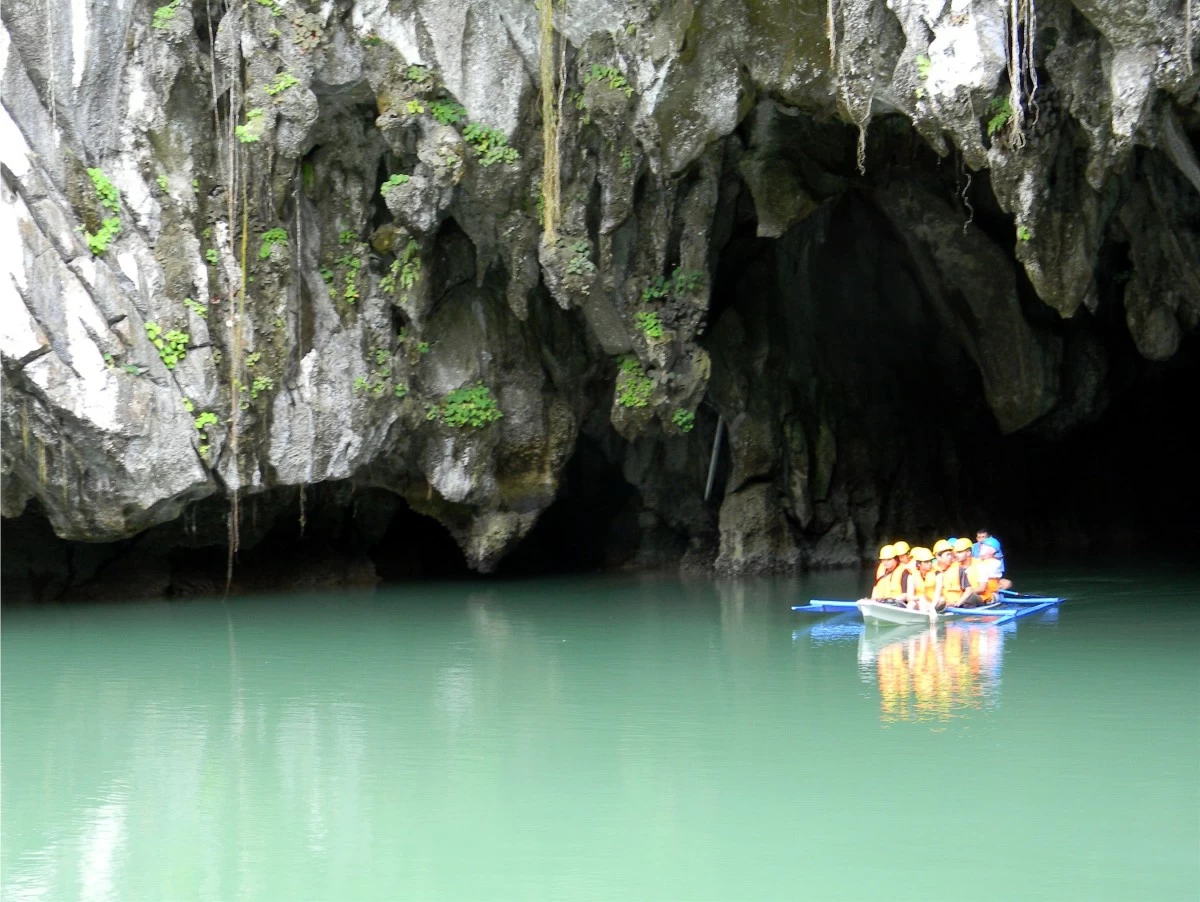
The Puerto Princesa Underground River features an 8.2-kilometer navigable river that flows through limestone caves before emptying into the sea.
“Wetlands are weird,” said Dr. Jerome L. Montemayor, executive director of the Laguna-based ASEAN Centre for Biodiversity. “To those who are unfamiliar, it either looks like a muddy lake or a waterlogged forest. But after years in this field, you will definitely learn to appreciate these valuable natural resources and say that wetlands certainly have more than meets the eye.”
Paul A. Keddy, author of “Wetland Ecology: Principles and Conservation,” defines a wetland as “an ecosystem that arises when inundation by water produces soil dominated by anaerobic processes which, in turn, forces the biota, particularly rooted plants, to adapt to flooding.”
A patch of land that develops pools of water after a rainstorm would not be considered a wetland, even though the land is wet. Specifically, wetlands are characterized by a water table that stands at or near the land surface for a prolonged period each year, allowing aquatic plants to thrive.
Wetlands are vital ecosystems in the country's natural environment. They are classified into three main types: freshwater, estuarine, and marine. These include natural wetlands such as rivers, lakes, swamps, marshes, peatlands, ponds, mangrove forests, seagrass meadows, and reef flats, as well as man-made wetlands such as dams and rice fields.
“As an archipelago, we are shaped by water,” explained Robert E.A. Borje, Vice Chairperson and Executive Director of the Climate Change Commission, the country’s lead policy-making body on climate change. “Mangroves line our coasts, wetlands sit at river mouths and floodplains, and inland marshes and lakes regulate rainfall and runoff.”
According to Borje, these ecosystems serve as an initial barrier against concentrated climate hazards. They are where storm surges lose intensity, floodwaters spread instead of wreaking havoc, and risks are reduced before they escalate into disasters.
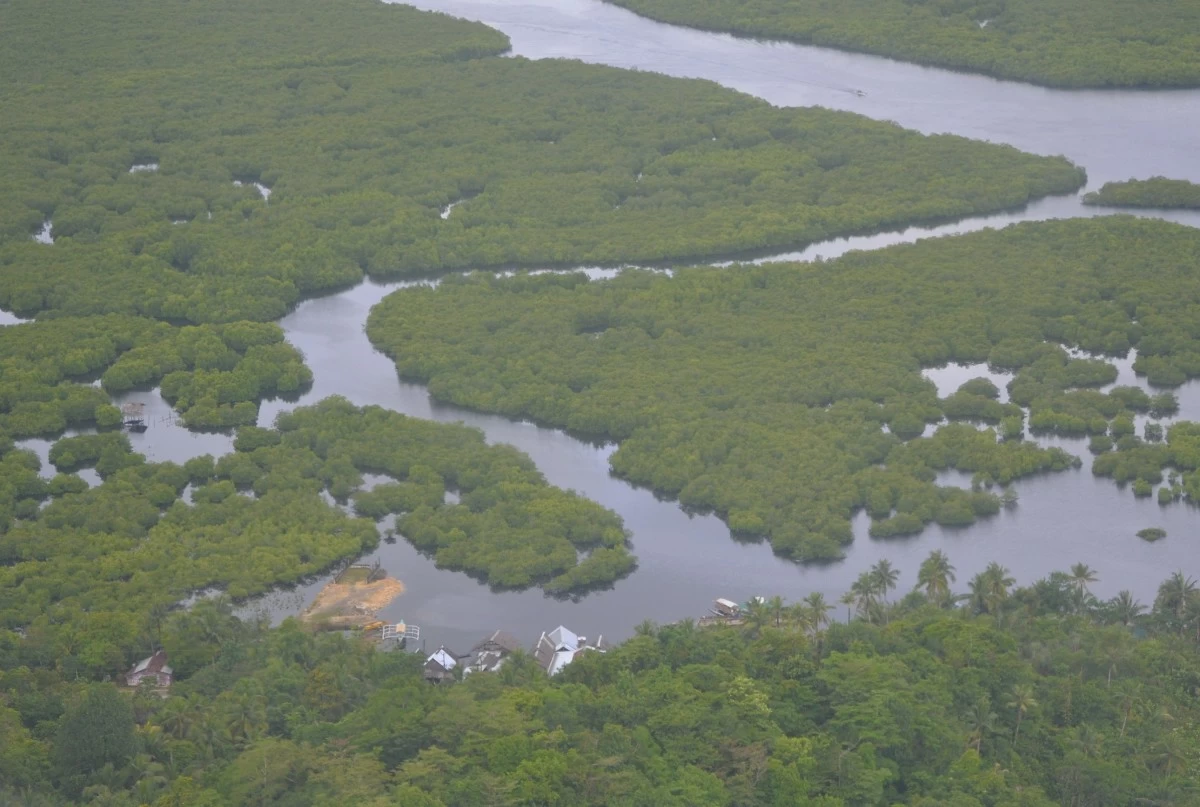
The Del Carmen Mangrove Reserve is home to the country's largest contiguous mangrove forest.
The United Nations Environment Program (UNEP) calls wetlands “the unsung heroes of the climate crisis.” Wetlands store more carbon than any other ecosystem, with peatlands, a particular type of vegetated wetland, alone storing twice as much carbon as all of the world’s forests.
“Wetlands regulate water and store carbon in ways no engineered system can fully replicate,” Borje said. “They temper floods, blunt storm surges, and lock away carbon accumulated over centuries. When intact, they quietly reduce climate risk. When degraded, that risk is transferred, often directly into towns, infrastructure, and public budgets.”
One often overlooked aspect of wetlands is the communities that surround them.
“They do not just depend on these natural resources for their livelihood and sustenance,” Montemayor said. “In return, they also become the de facto guardians of wetlands. Bound by a shared sense of responsibility, they are keepers of tradition and knowledge that is handed over to future generations.”
In the past, wetlands served as sites for human habitation, spiritual significance, and food production, reflecting sustainable interactions between people and the natural environment.
Around the world, more than one billion people depend on wetlands for their livelihoods. About 40 percent of all plant and animal species – from insects to ducks and moose – live or breed in their shallow waters.
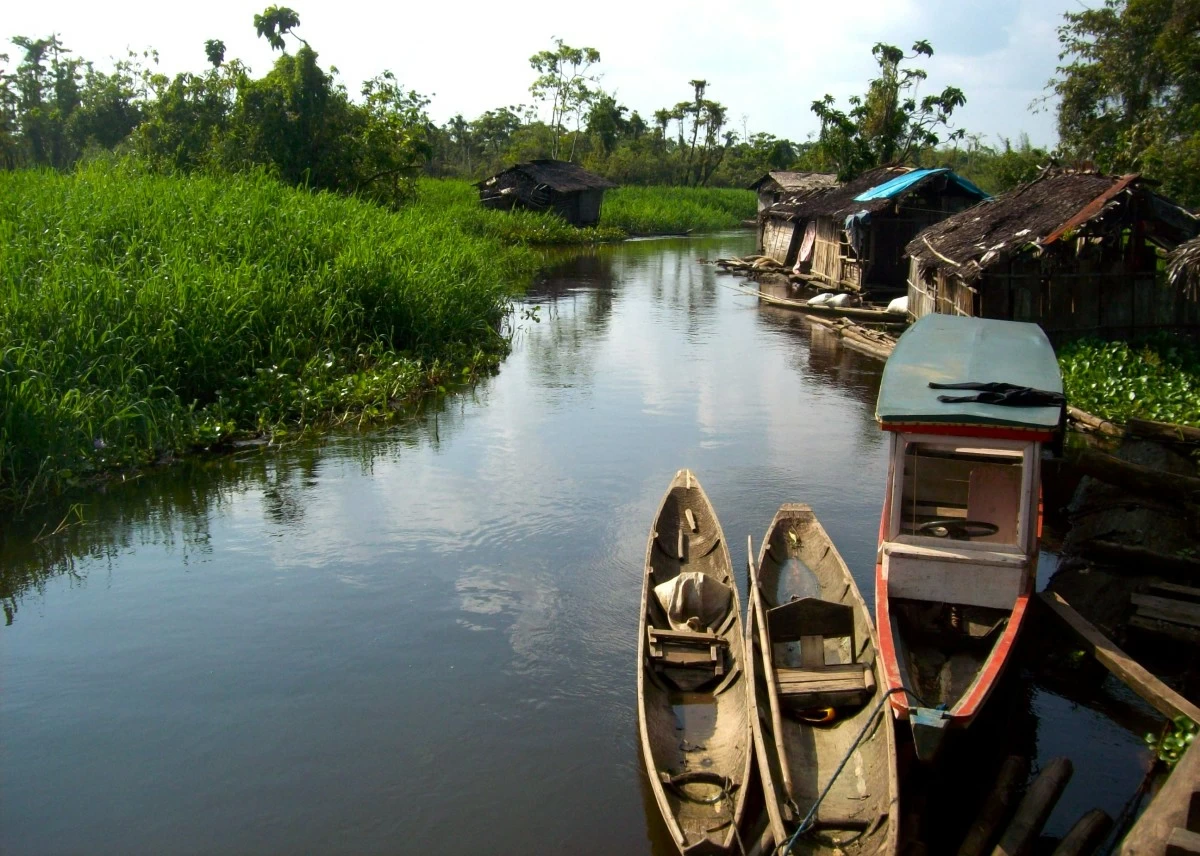
The Agusan Marsh acts like a sponge, absorbing excess water in the Agusan River basin.
Wetlands also act as extraordinary natural water filters. According to the Millennium Ecosystem Assessment, they trap sediments and absorb pollutants, significantly improving water quality.
“As water flows through these ecosystems, wetland vegetation and soil microorganisms break down contaminants, such as excess nutrients and harmful chemicals,” the assessment noted.
This natural filtration process not only purifies water but also prevents pollutants from reaching larger bodies of water, such as rivers and lakes. The role is especially important in agricultural areas, where runoff carries fertilizers and pesticides into streams, causing algal blooms and reducing oxygen levels in aquatic ecosystems.
“Aside from their role as natural water reservoirs, wetlands serve as barriers against strong winds, heavy rain, and rising sea levels,” said Theresa Mundita Lim, former executive director of the Biodiversity Management Bureau. “Wetlands are essential habitats for a variety of fish, animals, birds, insects, shellfish, and amphibians. They also serve as abundant sources of food and breeding sites for migratory waterbirds.”
But these wetlands, along with lakes, rivers, and other aquatic ecosystems around the world, are in peril. UNEP said wetlands are disappearing three times faster than forests, with more than 35 percent of wetlands worldwide degraded or lost since the 1970s.
“In the Philippines, land conversion, reclamation, pollution, and poorly planned development continue to erode wetlands even as climate impacts intensify,” Borje said. “The result is not simply environmental loss. It is heightened exposure: more flooding, greater storm damage, higher recovery costs, and deeper disruptions to food systems and local economies.”
“Depending on the extent of climate-related sea level rise, some 20 to 90 percent of current coastal wetlands could be gone by the end of the century,” UNEP warned.
The Department of Environment and Natural Resources (DENR) stressed the need to reverse this trend.
“If this trend continues, the world will lose valuable ecosystems which deliver unrivalled benefits to humanity,” the DENR said.
“Wetlands do that work quietly — absorbing, slowing, and buffering risk day after day,” Borje reminded. “Keeping this natural shield in place is one of the most practical, disciplined, and forward-looking decisions the Philippines has made. This is a decision we must continue to strengthen and broaden in its implementation nationwide.”