






Manila Bulletin
 Lifestyle
Parenting
When should babies start eating solid food? 6 things parents should know
Lifestyle
Parenting
When should babies start eating solid food? 6 things parents should know
Lifestyle
Parenting
When should babies start eating solid food? 6 things parents should know
When should babies start eating solid food? 6 things parents should know
Pediatrician Dr. Jayeanne Bihag-Lomibao explains when to begin, what to serve, how much babies need, and which feeding mistakes to avoid
Published Aug 3, 2026 04:21 pm


A baby’s first spoonful is an exciting milestone, but it also brings questions. Is the baby ready? What should be offered, and how much? What if the baby spits everything out?
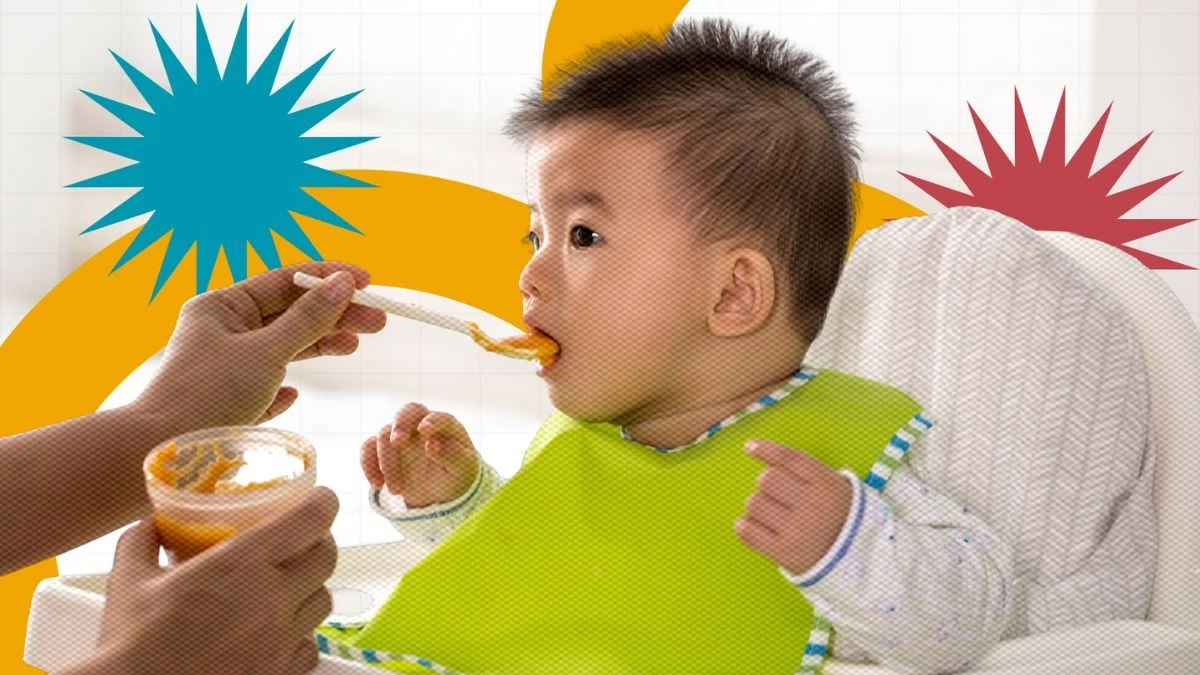
(Artwork: Nancy Marie Andam)
Complementary feeding begins when food is introduced in addition to breast milk or formula, generally at around six months. Dr. Jayeanne M. Bihag-Lomibao, a diplomate of the Philippine Pediatric Society, says age is not the only consideration. The baby must also be developmentally ready.

Dr. Jayeanne M. Bihag-Lomibao
1. Look for signs of readiness.
Before giving a baby solid food, parents should check whether the child has good head and neck control, can sit with minimal support, shows interest in food, and opens their mouth when food is offered.
Once these signs appear, she recommends bringing the baby to a pediatrician before offering solid food. “This allows us to confirm that the baby is truly ready for complementary feeding and gives us the opportunity to provide anticipatory guidance on proper feeding techniques, food choices, allergy prevention, choking safety, and other important reminders before the baby’s feeding journey begins.”
2. Begin with familiar, nutritious foods.
A baby’s first meals do not have to come from a jar or cost a lot. “Families don’t need expensive commercial baby food. The best first foods are those that are soft, nutritious, and rich in iron,” Dr. Jayeanne tells Manila Bulletin Lifestyle.
Many good choices are already found in Filipino kitchens, such as mashed rice or lugaw, camote, kalabasa, sayote, carrots, malunggay, pechay, banana, papaya, avocado, and ripe mango. It is also important to include iron-rich foods like egg, fish, chicken, beef, liver, and monggo. The goal is to serve different nutritious foods while continuing breast milk or formula.
3. Serve small portions and change textures gradually.
At six to eight months, begin with about two to three tablespoons per meal, offered two to three times daily while milk feeds continue. The amount can gradually increase depending on the baby’s appetite.
Food consistency should also change with age. Begin with mashed or puréed food before moving to minced and chopped food. By one year old, babies can begin eating family meals prepared in a way that is safe for them. Delaying textured food can make it harder for babies to practice chewing and accept different kinds of food.
4. Let babies participate.
Baby-led weaning can be combined with spoon-feeding. Dr. Jayeanne suggests letting babies touch, smell, and examine suitable pieces of food while a caregiver helps feed them. This allows them to practice feeding skills while receiving enough nutrition.
Keep mealtimes free from pressure and distractions. Force-feeding and using gadgets to keep a baby eating can interfere with responsive feeding, which helps caregivers recognize when the child is hungry or already full.
5. Introduce new foods safely.
Common allergenic foods such as egg, peanut, fish, dairy, wheat, and soy may be offered at around six months once complementary feeding has begun. Dr. Jayeanne says delaying their introduction is no longer routinely recommended.
Families with a history of atopy or a baby at higher risk of allergies should consult their pediatrician first. She also recommends introducing one new ingredient every two to three days, making it easier to identify the possible cause of a reaction.
Honey should not be given to babies younger than one year because it may contain spores that cause infant botulism, a rare illness that can lead to muscle weakness and difficulty breathing. Sugary drinks, salty food, and highly processed products should also be avoided.
6. Give rejected food another chance.
A baby who closes their mouth or spits out a new food is not necessarily a picky eater. Eating is still a new skill, and some foods may take time to accept. “Patience goes a long way. A food they reject today may become one of their favorite foods a few weeks later,” she adds.
Continue offering small amounts without forcing the baby to finish. Keep mealtimes relaxed and try the rejected food again on another day. Ongoing feeding difficulties, poor weight gain, frequent choking or coughing while eating, recurrent vomiting, or possible signs of an allergy should be brought to a pediatrician’s attention.
These first meals may come with spills and rejected bites. Dr. Jayeanne reminds families not to be discouraged, “Patience goes a long way. A food they reject today may become one of their favorite foods a few weeks later.”