







July manufacturing growth strongest since Middle East war


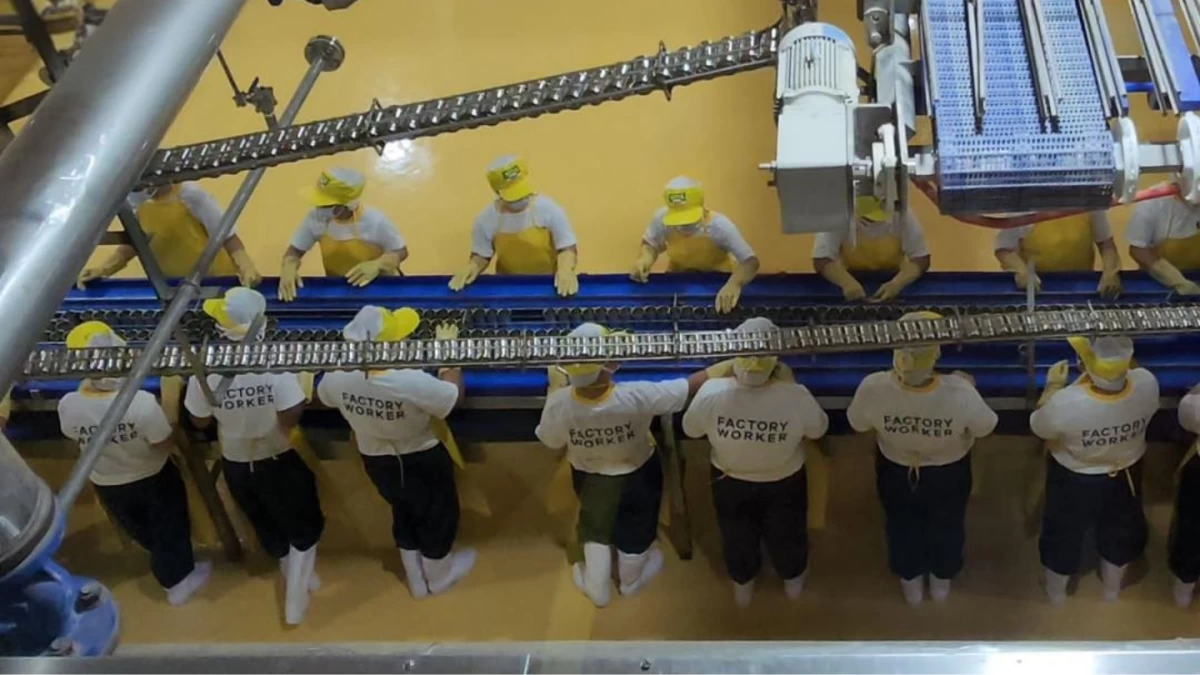
Philippine manufacturing activity accelerated to a five-month high in July as stronger demand lifted production and new orders to their fastest pace since February, signaling a solid start to the second half despite lingering geopolitical and supply chain pressures stemming from the war in the Middle East.
S&P Global’s Philippines manufacturing purchasing managers’ index (PMI) rose to 51.8 in July from 50.9 in June, marking the third consecutive monthly increase and bringing the headline reading broadly in line with its long-run average. A reading above 50 indicates an improvement in manufacturing conditions from the previous month.
In a report on Monday, Aug. 3, S&P Global said the latest reading marked the strongest improvement in factory conditions in five months and represented a welcome turnaround from the subdued performance recorded between March and June amid the prolonged conflict in the Middle East.
Production and new orders both expanded at their fastest pace since February, before the war between the United States (US) and Iran broke out, as stronger underlying demand and new project wins boosted sales. Output growth also exceeded its long-run average.
“Manufacturers in the Philippines reported stronger demand conditions in July following the more subdued conditions seen in the second quarter. Production and new order growth strengthened as a result, rising at a solid pace that was the fastest since the outbreak of the war in the Middle East. Encouraged by growing production requirements, firms increased their purchasing activity. However, as manufacturers continued to face stretched supply chains and a renewed pick-up in cost pressures, inventories came under strain,” S&P Global Market Intelligence economist Maryam Baluch said in a statement.
To meet stronger demand, manufacturers drew down both raw material and finished goods inventories while increasing purchasing activity. At the same time, supplier delivery times deteriorated at the fastest pace since December 2024, with firms citing the war and its impact on global supply chains.
The report also showed renewed inflationary pressures during the month, with both input costs and output charges rising above their long-run averages as manufacturers passed on higher costs to customers. Survey respondents continued to attribute rising costs to the war in the Middle East.
Despite the stronger operating conditions, manufacturers remained cautious about the outlook.
“Despite the improvement in sector conditions, confidence remained historically muted. More notably, payroll numbers fell in July, suggesting that firms may need clearer signs of a sustained improvement in economic conditions before resuming hiring,” Baluch said.
Employment declined in July after remaining broadly unchanged in June, with firms attributing the reduction to voluntary resignations and the non-replacement of departing workers. Although business confidence improved from June’s five-month low, optimism remained among the weakest recorded over the past year as ongoing geopolitical uncertainty and its impact on prices continued to weigh on expectations.
S&P Global’s Philippines manufacturing PMI is compiled from responses to questionnaires sent to purchasing managers at a panel of around 400 manufacturers. Data for the July survey were collected from July 9 to 24. - Danielle T. Bayani