







Fuel prices drop after monthlong surge, but LPG spikes
Published Aug 3, 2026 02:51 pm


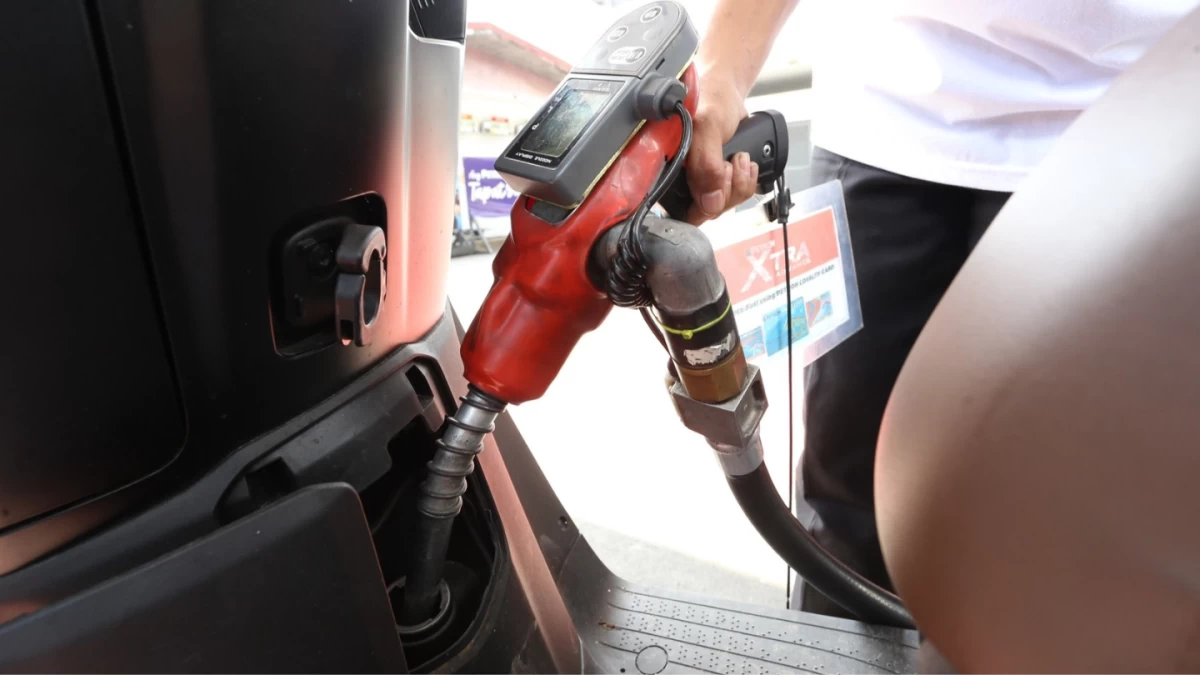
Motorists are set to receive a brief respite at the pump as domestic fuel prices decline in the first week of August, ending a monthlong streak of consecutive weekly increases, according to data from the Department of Energy (DOE).
Effective Tuesday, Aug. 4, retail prices for diesel will drop by at least ₱0.60 per liter, while gasoline prices will decrease by ₱0.73 per liter. Kerosene will experience the largest reduction among liquid fuels, falling by ₱2.09 per liter.
The downward adjustments come as international crude benchmarks retreat from recent highs following subtle shifts in global supply conditions and geopolitical sentiment.
However, household budgets face an offset as liquefied petroleum gas (LPG) prices move in the opposite direction. Cooking gas is scheduled to jump by ₱3.67 per kilogram for the month of August, driven by higher international contract prices.
The adjustment adds roughly ₱40.38 to the cost of a standard 11-kilogram LPG cylinder, dampening the net financial relief for everyday consumers.
Despite the persistent volatility across global energy markets, official inventory figures indicate that domestic supply levels remain robust. Latest figures from the Department of Energy showed the Philippines maintains approximately 45.22 days of total crude and petroleum product reserves.
Gasoline inventories stood at 40.50 days of demand, while diesel stockpiles have risen to 47.32 days. Kerosene holds the largest buffer at approximately 132.86 days.
Meanwhile, LPG supplies remain the most constrained relative to demand, standing at 35.60 days.
The easing of domestic pump prices reflects changing dynamics in international markets. The Organization of Petroleum Exporting Countries and its allies, known collectively as OPEC+, recently agreed to raise production quotas by roughly 188,000 barrels starting next month, signaling a gradual restoration of output.
Market sentiment has also been tempered by geopolitical developments in the Middle East. Reports indicating that the United States may temporarily halt strikes concerning Iran to pursue renewed diplomatic talks have helped stabilize global crude benchmarks.
While geopolitical risks and supply chain vulnerabilities continue to linger, the combination of expanded output quotas and diplomatic efforts offers temporary relief to import-reliant nations like the Philippines.