






Manila Bulletin
 Philippines
National
91 days abroad: How was VP Sara able to pay for these trips? Solon wants to know
Philippines
National
91 days abroad: How was VP Sara able to pay for these trips? Solon wants to know
Philippines
National
91 days abroad: How was VP Sara able to pay for these trips? Solon wants to know
91 days abroad: How was VP Sara able to pay for these trips? Solon wants to know
Published Aug 3, 2026 09:04 pm


At A Glance
- Prosecutor Terry Ridon questions how Vice President Sara Duterte financed 91 days of foreign travel between 2025 and 2026, estimating costs of P5 million to P8 million.
- He noted Duterte's 2024 SALN declared no cash on hand or in bank, and said her salary and reported businesses could not cover such expenses.
- Ridon warned that if friends or benefactors paid for the trips, it could constitute prima facie graft.
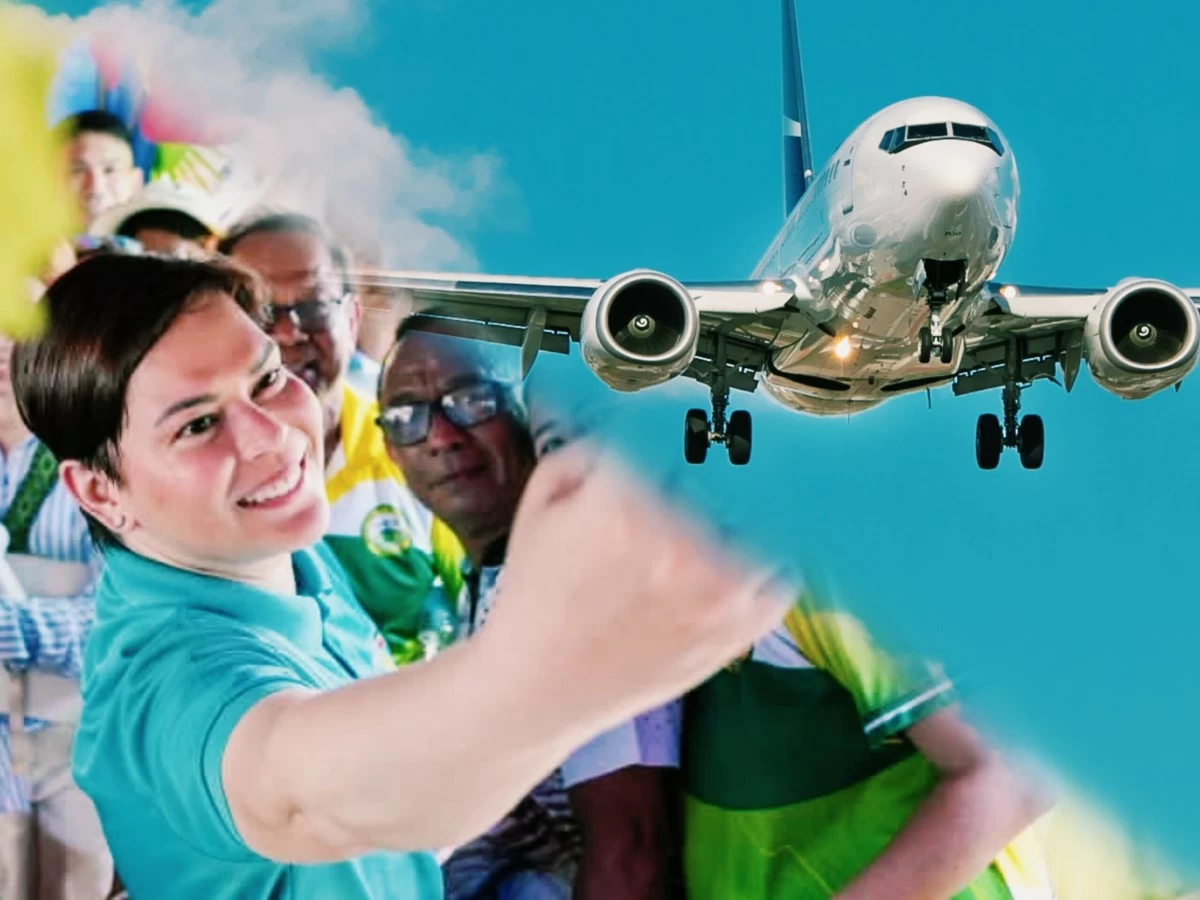
Vice President Sara Duterte (Facebook, Unsplash)
How exactly was Vice President Sara Duterte able to finance her multiple foreign travels, which reached three months in terms of duration between 2025 and 2026?
House impeachment prosecutor Bicol Saro Party-list Rep. Terry Ridon asked this question on Monday, Aug. 3 even as Duterte’s Senate impeachment trial entered its fifth week. She has never attended the proceedings.
Ridon, in an interview on the sidelines of Monday's hearing, said that respondent Duterte was out of the country for a total of 91 days from 2025 to 2026.
As such, the lawyer-legislator was curious as to how Duterte was able to sustain this, given her declared assets and income.
Ridon estimated that the trips could have cost between P5 million and P8 million, based on airfare and the United Nations (UN) daily subsistence allowance rates covering hotels, meals, and incidental expenses.
He noted that Duterte’s 2024 statement of assets, liabilities and net worth (SALN) neither declared cash on hand nor cash in bank.
“Napakahalaga na maipaliwanag kung saan nanggaling ang pondong ginamit sa mga biyaheng ito. Una, wala pong cash dito. Zero ‘yung cash in bank, cash on hand ng Pangalawang Pangulo,” he said.
(It is very important to explain where the funds used for these trips came from. First, there is no cash here. The Vice President’s cash in bank and cash on hand are zero.)
The prosecutor added that even assuming Duterte had undeclared cash, her salary alone would not appear sufficient to finance millions of pesos in travel expenses.
“Can it come from her salary alone? I don’t think so,” he said.
He also raised doubt on the possible explanation that the money could have come from businesses associated with Duterte and her husband, lawyer Manases “Mans” Carpio.
“Can it come from the businesses that supposedly they own or they are partners of? Probably not because we have seen in the financial statements of all the Duterte-Carpio businesses, lugi po ‘yung mga negosyo po nito (these ventures have lost money),” Ridon said.
“So, saan po galing ‘yung panggastos para sa mga biyahe po na ito?” he asked, as if to highlight his point.
(So, where did the money for these trips come from?)
Private money argument
Ridon also pushed back against arguments that Duterte’s travels should no longer be scrutinized because they were supposedly funded with private money.
“I think at this point, we can say with certainty na hindi na uubra ‘yung paliwanag na wala naman siyang gastos dito sa mga biyahe po na ito dahil pribadong pondo daw ang ginamit."
(I think at this point, we can say with certainty that the explanation that she had no expenses for these trips because private funds were supposedly used will no longer suffice,)
He said that if friends or benefactors paid for the trips, that would raise another set of legal questions.
“Kung mga kaibigan, ’yun, di ba parang prima facie graft kung iba ‘yung nagpo-pondo ng mga biyahe?” Ridon noted.
(If it was friends funding them, isn’t that prima facie graft if someone else is financing the trips?)
The Vice President had just capped a two-week trip from July 16 to 31 which covered visits to Qatar, the United Kingdom (UK), and the Netherlands.