







Embrace YAKAP as preventive healthcare
Published Aug 2, 2026 12:05 am
|
Updated Aug 1, 2026 03:24 pm


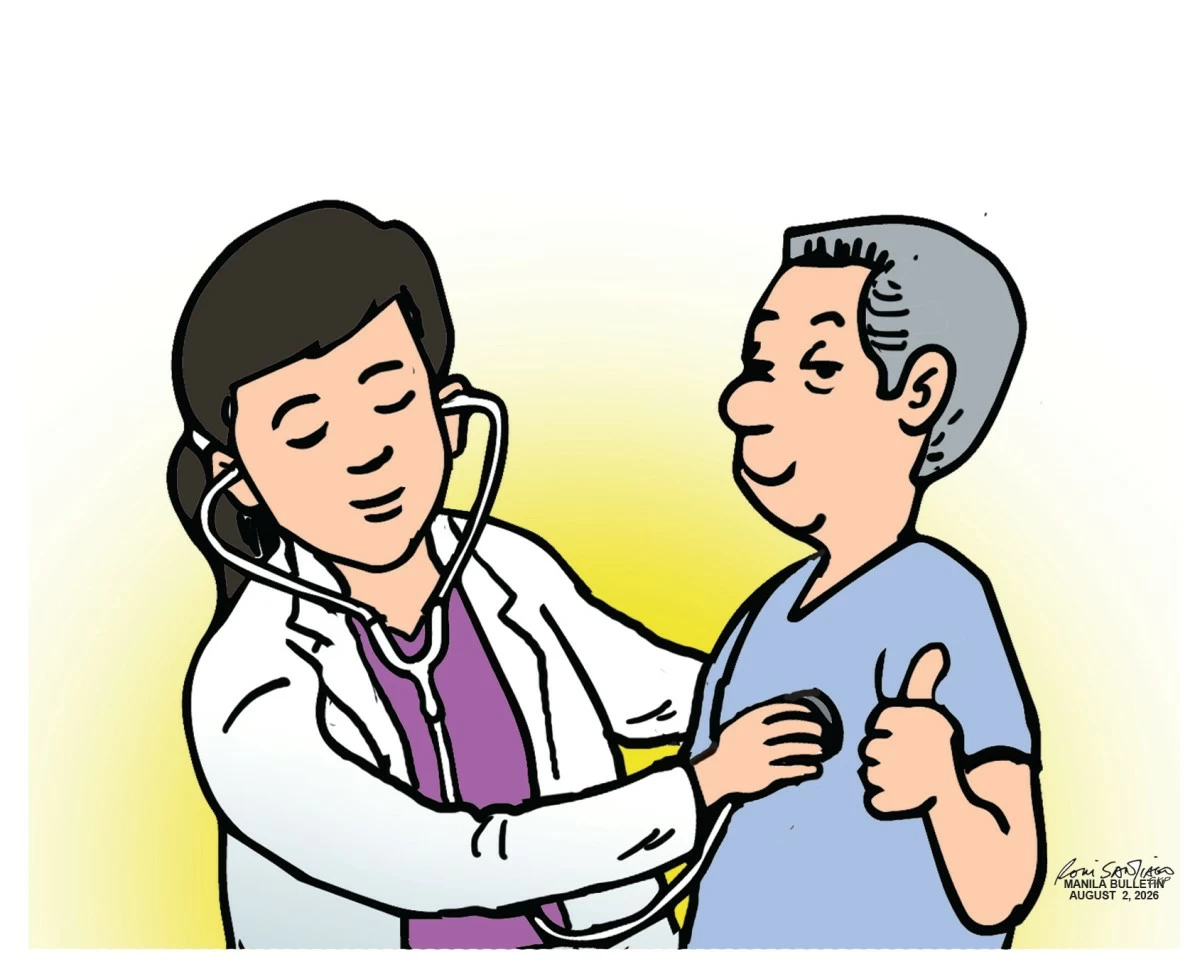
The true measure of a healthcare program is not how much it promises but how many lives it actually improves. The Yaman ng Kalusugan Program (YAKAP), PhilHealth's expanded primary healthcare initiative, has the potential to transform preventive healthcare. Yet despite growing enrollment, its utilization remains strikingly low. Millions of Filipinos have signed up, but only a small fraction have sought consultations and availed themselves of its benefits. That disconnect is a public health concern the country can no longer afford to ignore.
YAKAP represents a fundamental shift from treating illness to preventing it. Through free medical consultations, laboratory tests, and outpatient medicines under the complementary PhilHealth GAMOT package, members may receive up to ₱20,000 worth of essential medicines annually from more than 2,000 accredited providers. President Ferdinand Marcos Jr.'s pledge to expand coverage to include blood tests and medicines for kidney, liver, thyroid diseases, and hepatitis B is a welcome step toward strengthening primary healthcare. But no expansion will succeed if Filipinos remain passive beneficiaries instead of active participants.
Too many people still visit health facilities only after symptoms become unbearable, when treatment is often more difficult and expensive. Preventive healthcare demands a different mindset. Regular consultations can detect hypertension before it triggers a stroke, diabetes before it damages vital organs, or liver disease before complications become irreversible. Early diagnosis saves lives, preserves productivity, and reduces the financial burden on families and the healthcare system alike. Every unused YAKAP benefit is a missed opportunity to prevent suffering.
Filipinos should therefore move beyond merely enrolling in the program. They should register with an accredited YAKAP provider, keep their PhilHealth records updated, schedule routine medical consultations even when they feel healthy, complete recommended laboratory examinations, obtain prescribed medicines through accredited providers, and faithfully return for follow-up care. Preventive healthcare is effective only when people consistently use it.
The government, for its part, must match expanded benefits with efficient implementation. The success of YAKAP depends on accessible facilities, sufficient healthcare professionals, uninterrupted medicine supplies, reliable laboratory services, and digital systems that simplify registration, appointments, and benefit tracking. Public information campaigns should be sustained nationwide, especially in underserved communities where many remain unaware of the program or uncertain about how to access it. Universal healthcare cannot be achieved if awareness remains selective and access uneven.
The private sector, particularly accredited YAKAP providers, must become indispensable partners in making preventive healthcare truly work. Beyond meeting accreditation standards, healthcare providers should deliver patient-centered care by reducing waiting times, maintaining adequate medicine inventories, improving patient education, extending clinic hours where feasible, and using digital reminders to encourage regular consultations. Employers, schools, civil society organizations, and local governments can likewise help promote enrollment and routine health screening, transforming preventive care into a community norm rather than an individual choice.
Ultimately, healthcare is a shared responsibility. The government can build the system, healthcare institutions can deliver quality services, and private partners can broaden access. But every Filipino must choose to invest in personal well-being by seeking timely medical advice, taking prescribed medicines properly, embracing healthy habits, exercising regularly, eating nutritious food, avoiding tobacco and excessive alcohol, and recognizing that prevention is always better than cure.
Rather than considering YAKAP as an expense incurred during illness, it must instead be viewed as an opportunity to redefine how the nation values health and an investment for one’s wellbeing. President Marcos’ vision of expanded preventive healthcare can become a lasting national achievement only if the government fulfills its commitments, healthcare providers continuously raise service standards, and Filipinos make full use of a program designed not merely to treat disease, but to prevent it before it begins.