






 Philippines
National
Mark Villar hails new law boosting support for Last Mile, GIDA schools
Philippines
National
Mark Villar hails new law boosting support for Last Mile, GIDA schools
Mark Villar hails new law boosting support for Last Mile, GIDA schools
By Dhel Nazario


At A Glance
- Senator Mark Villar welcomed the signing of Republic Act No. 12321, or the Last Mile and Geographically Isolated and Disadvantaged Areas (GIDA) Schools Act, saying it will strengthen efforts to provide quality and inclusive education to learners in remote and underserved communities.
- The law mandates the Department of Education to implement a long-term program for Last Mile and GIDA schools, prioritizing infrastructure, digital connectivity, teacher deployment and welfare, learning resources, and other essential educational services through sustained funding and inter-agency coordination.
- Beyond infrastructure, the measure adopts a holistic approach by providing alternative learning modalities, adjusted staffing standards and funding formulas, school feeding, health and psychosocial services, Indigenous Knowledge Systems integration, and other interventions tailored to the needs of remote schools.
Senator Mark Villar on Friday welcomed the signing into law of Republic Act No. 12321, or the Last Mile and Geographically Isolated and Disadvantaged Areas (GIDA) Schools Act, saying the measure will strengthen government efforts to provide quality and inclusive education to learners in remote and underserved communities.
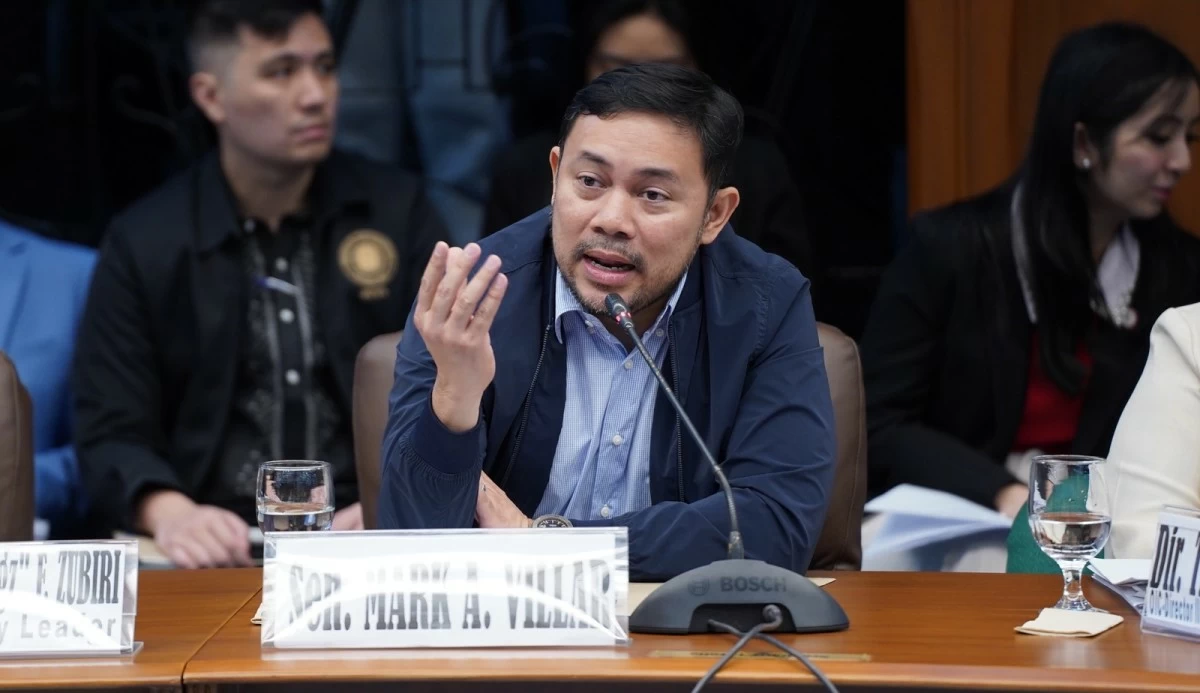
A co-author of the law, Villar described the measure as a landmark reform aimed at addressing longstanding gaps in access to education, particularly for students in geographically isolated and disadvantaged areas.
Under the law, Last Mile and GIDA schools include public schools located in geographically isolated and disadvantaged areas, schools where at least 75 percent of learners are Indigenous Peoples, and those in communities affected by armed conflict, insecurity, disaster vulnerability, or other conditions identified by the Department of Education (DepEd) as limiting access to quality education.
Villar said many of these schools continue to grapple with inadequate classrooms, unreliable electricity and internet connectivity, insufficient water and sanitation facilities, shortages of learning resources, and difficulties in attracting and retaining teachers.
He said these challenges have widened educational disparities and highlighted the need for sustained government intervention.
"Sa GIDA Schools Act, titiyakin natin na ang ating mga mag-aaral sa mga liblib na lugar ay hindi mapag-iiwanan at makakatanggap ng sapat na suporta para sa kanilang kinabukasan. Hangad natin na sa batas na ito, mababawasan ang mga balakid tungo sa dekalidad na edukasyon na kasalukuyang kinakaharap ng Last Mile at GIDA schools (Through the GIDA Schools Act, we will ensure that our students in remote areas are not left behind and receive adequate support for their future. We hope that this law will help reduce the barriers to quality education currently faced by Last Mile and GIDA schools)," Villar emphasized.
The law directs the Department of Education to implement a comprehensive and long-term program for Last Mile and GIDA schools through strategic planning, sustained funding, and stronger inter-agency coordination.
It also prioritizes these schools in infrastructure development, digital connectivity, teacher deployment and welfare, learning resources, and other essential educational services.
Beyond infrastructure, the measure adopts a holistic and context-responsive approach by providing for alternative learning modalities, adjusted staffing standards and funding formulas, expanded learning tools and equipment, school feeding, health and psychosocial services, reliable access to water, sanitation and electricity, the integration of Indigenous Knowledge Systems and Practices in Indigenous Peoples communities, and teacher performance evaluation systems tailored to the realities of Last Mile and GIDA schools.
"This GIDA Act will complement our current efforts to address the multi-faceted crisis in education, as it will not only target infrastructure problems, but also provide context-responsive programs, including alternative learning modalities, adjusted staffing standards and funding formulas, learning tools, feeding, health, and psychosocial services, Indigenous Knowledge Systems and Practices integration in IP communities, and tailored teacher performance evaluation systems," Villar said.
Villar expressed confidence that the measure would help narrow educational disparities by ensuring that Filipino learners, regardless of their location or circumstances, have greater access to quality education.
"Ang edukasyon ay hindi dapat nakadepende sa kung saan ipinanganak o nakatira ang isang bata. Sa pamamagitan ng batas na ito, mas abot-kamay na ng ating mga kabataan ang kanilang mga pangarap dahil mas mailalapit natin ang dekalidad na edukasyon sa mga mag-aaral sa mga liblib at mahihirap na komunidad (Education should not depend on where a child is born or lives. Through this law, our young people will have a better chance of achieving their dreams because we are bringing quality education closer to students in remote and underserved communities)," he said.