







Inside the enduring craft of CELINE
A rare savoir-faire presentation in Manila offers an up-close look at the artistry behind the house's iconic Triomphe bag
By Rey Ilagan
Published Jul 31, 2026 08:29 am


There’s something fascinating about watching an object come to life by hand. In a time where speed and automation define much of modern manufacturing, witnessing true craftsmanship reminds us that some things simply cannot be rushed. That is especially true in luxury.
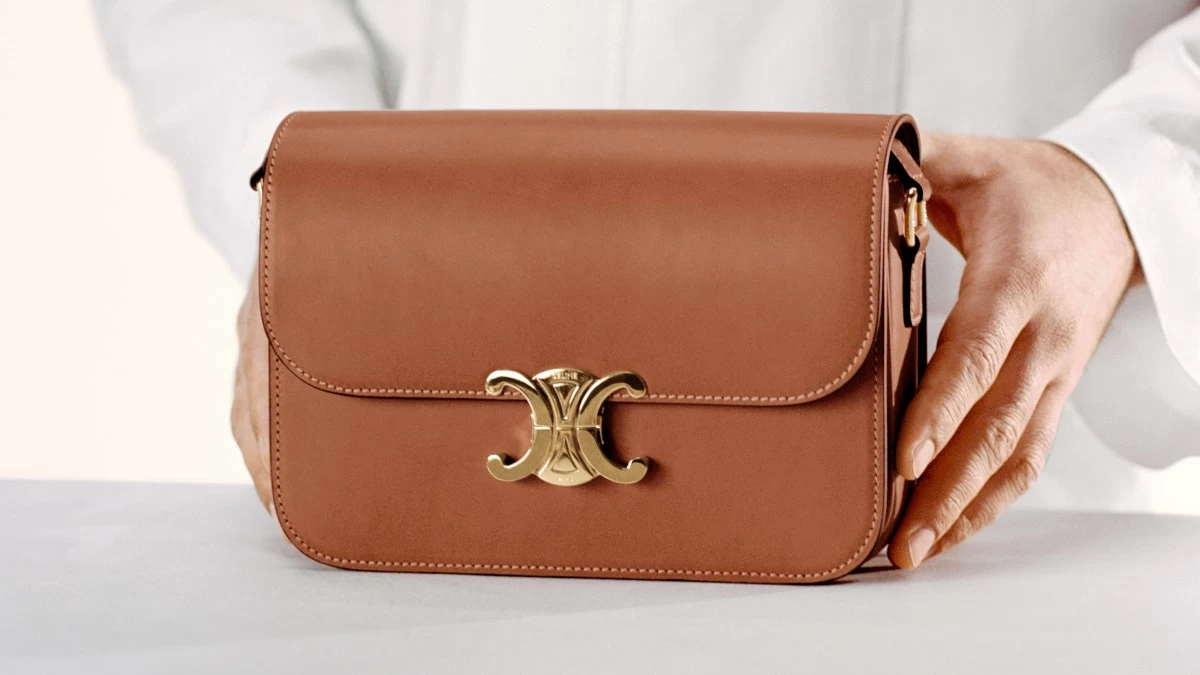
MAKING OF AN ICON From the careful selection of premium leather to the precise cutting, each Triomphe bag undergoes meticulous attention to detail before it reaches its final form. (Photos: CELINE)
At an exclusive savoir-faire presentation held at CELINE’s Greenbelt 3 boutique on July 23, the French fashion house offered a rare opportunity to see exactly what goes into creating one of its most recognizable designs. Flying in one of its maison artisans to Manila, CELINE transformed the boutique into a working atelier, revealing the meticulous process behind the iconic Triomphe bag.
The demonstration wasn’t simply about showcasing a finished product. Instead, it highlighted the quiet precision, patience, and years of expertise required long before a bag reaches the shelves.
With an array of specialized tools laid out, the artisan began by inspecting the leather. Every hide must be examined for its texture, grain, consistency and overall quality, a reminder that craftsmanship begins long before the first cut is made. No detail was considered too small, especially for a prototype, where every component is crafted entirely by hand.
Only after passing this rigorous inspection did the leather move to the next stage. Piece by piece, it was carefully cut according to the exact specifications of the bag. The artisan explained that constructing a CELINE leather bag requires years of experience, with at least five years of training needed before an artisan is entrusted with assembling one. For the Triomphe, the entire process can take as long as a month.
From there came stages of skiving, edge painting, stitching, molding, gluing, and assembly. Each process demands remarkable precision, but one of the most technically challenging steps is constructing the signature Triomphe clash, which is composed of 20 individual brass components that must fit together seamlessly.
Watching each step unfold offered a new appreciation for what often appears to be effortless luxury. Every movement was deliberate, every detail intentional.
The Triomphe itself remains one of the defining symbols of the French maison. Inspired by the chain motif surrounding the Arc de Triomphe in Paris, the emblem has become synonymous with CELINE’s understated elegance. Even under creative director Michael Rider, the Triomphe bag continues to stand at the heart of the brand’s identity, serving as a timeless expression of its heritage.
Leather craftsmanship has long been central to CELINE’s story. It was in the 1960s when founder Céline Vipiana introduced the house’s first leather goods collection, establishing an aesthetic rooted in quiet sophistication. Decades later, that philosophy remains unchanged.
Today, CELINE continues to blend generations of artisanal expertise with modern precision. Its leather goods are crafted using carefully selected materials by highly skilled artisans who preserve the French tradition of “maroquinerie” or fine leather craftsmanship. The house is equally known for its exceptional use of exotic leather, working exclusively with lizard, python, and crocodile to create some of its most luxurious designs.
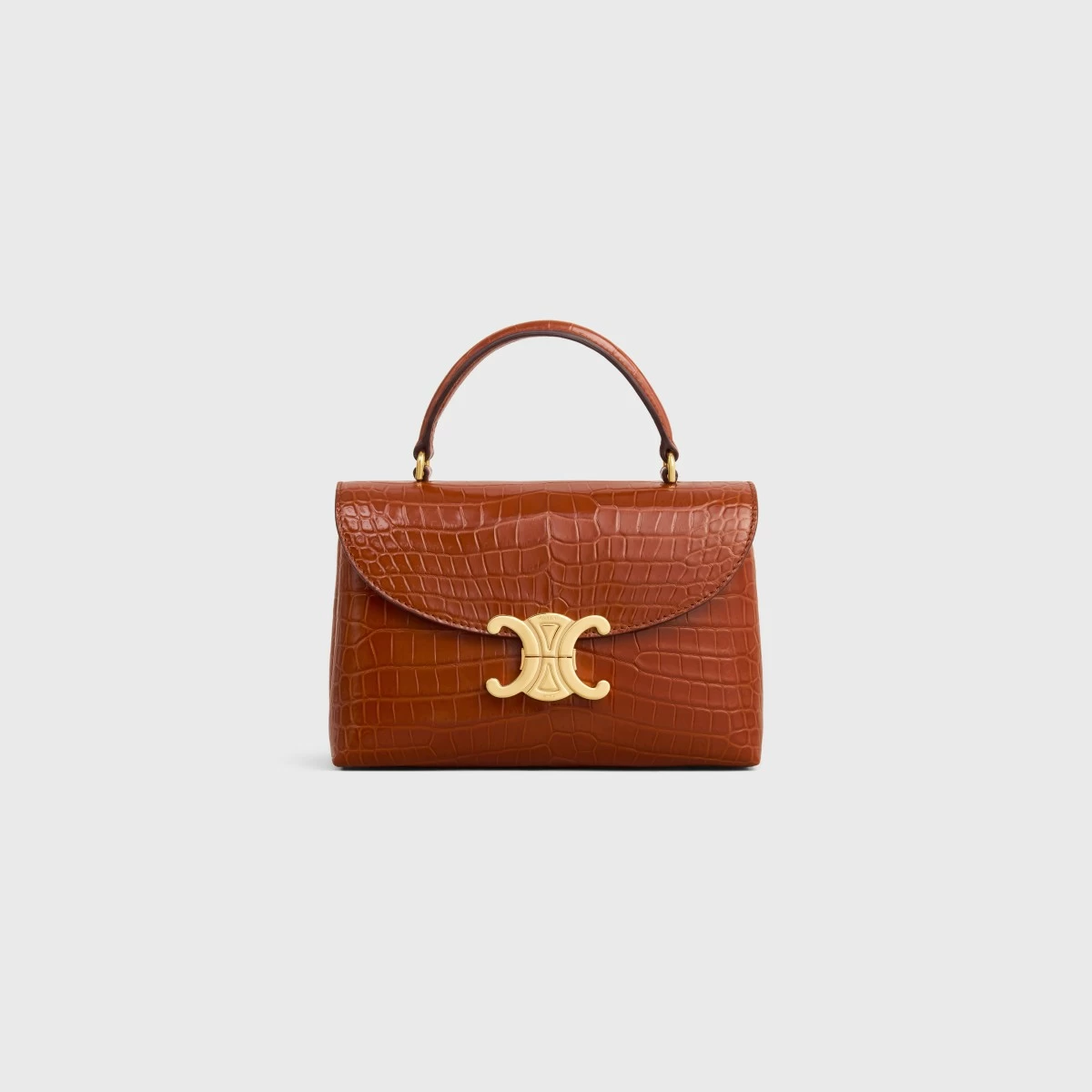
Teen Nino in Croc
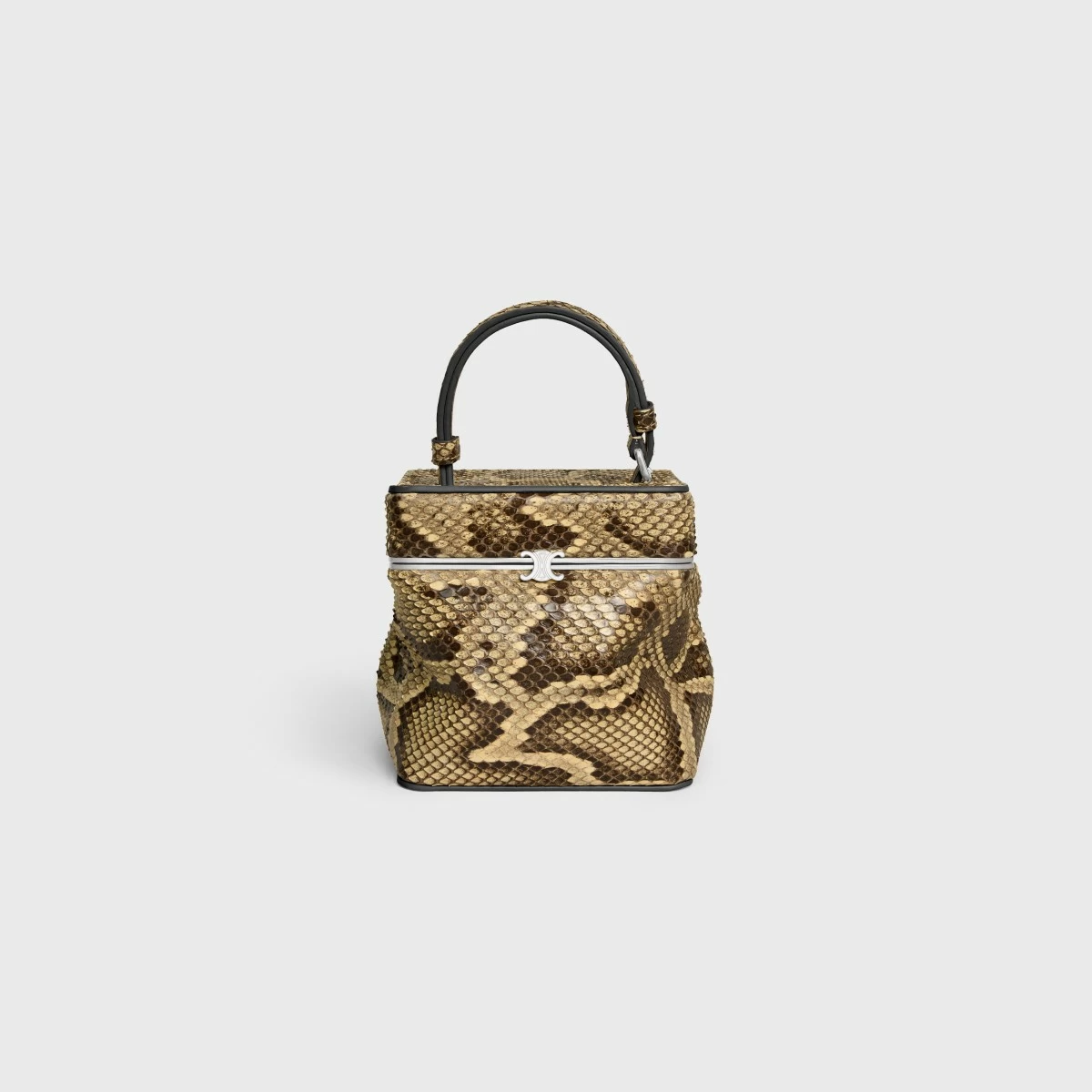
Cube in Python
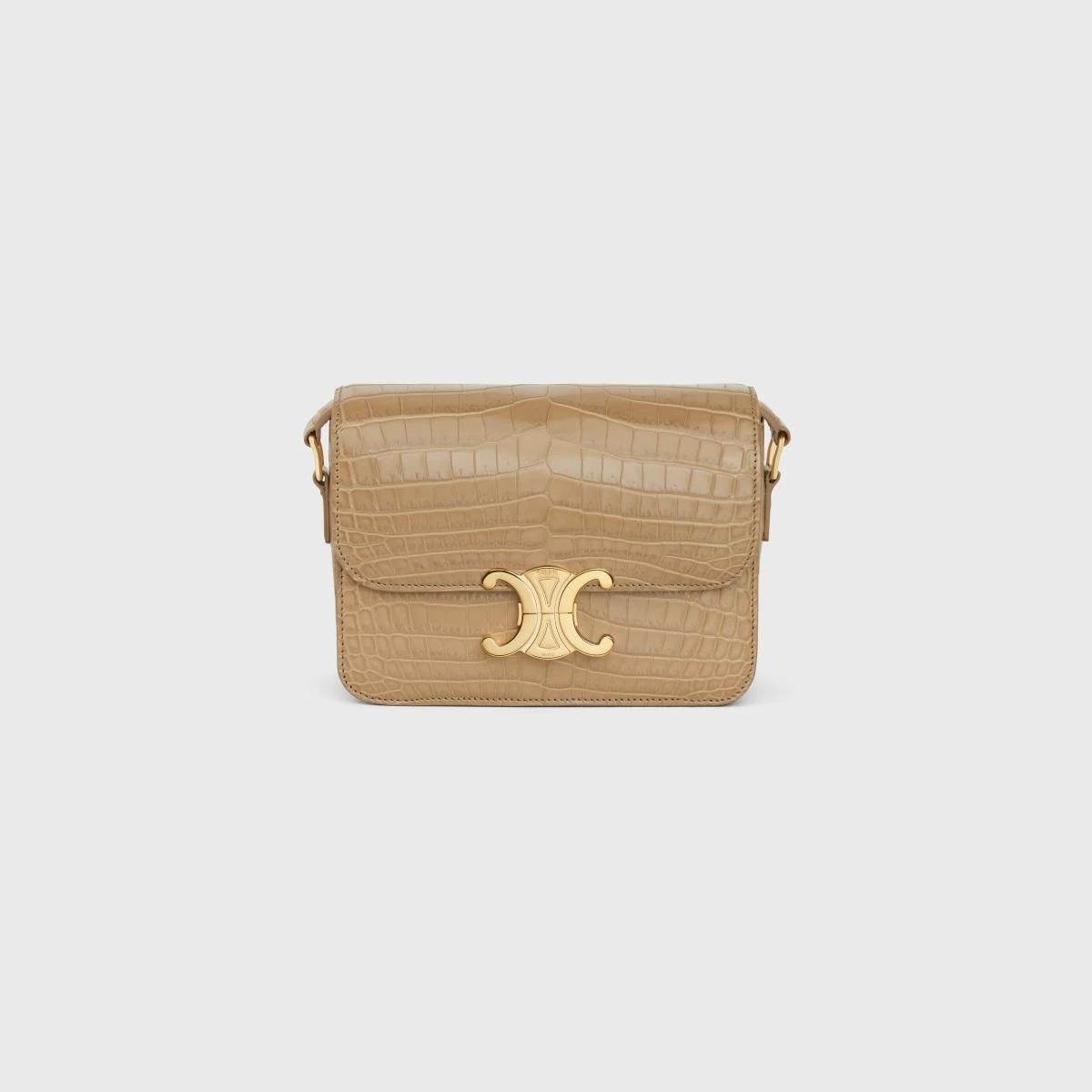
Teen Triomphe in Croc
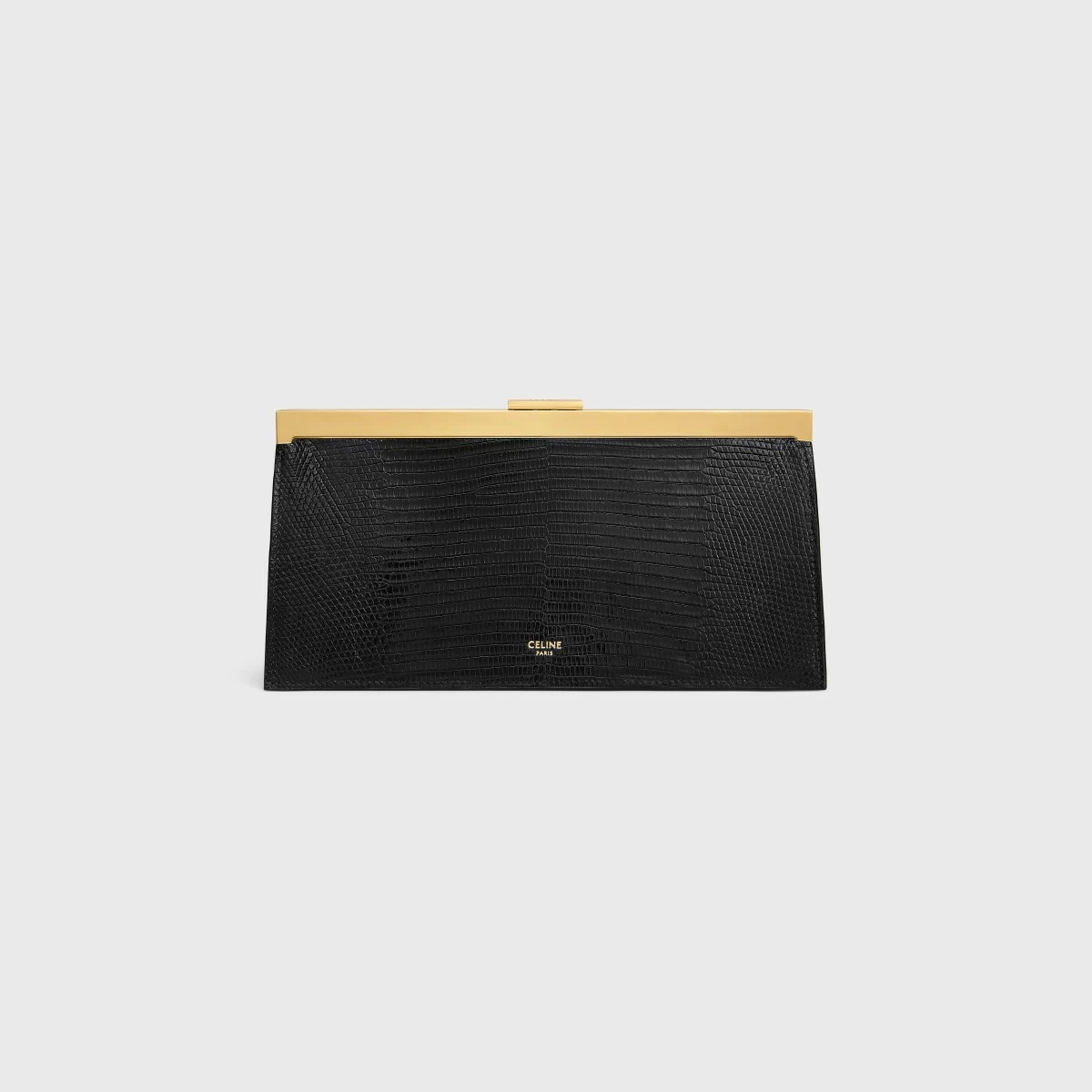
Augustine Clutch in Lizard
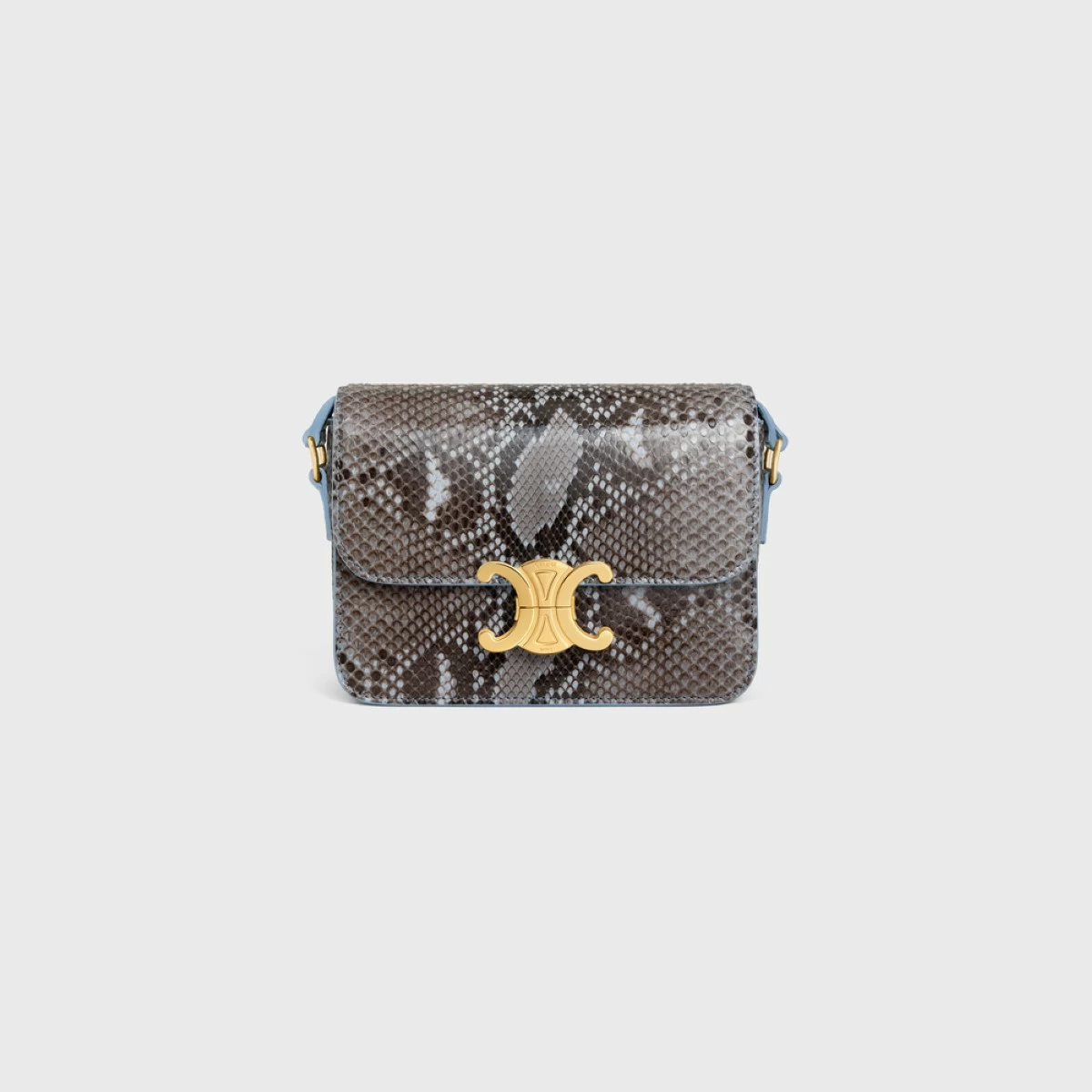
Classique Triomphe in Python
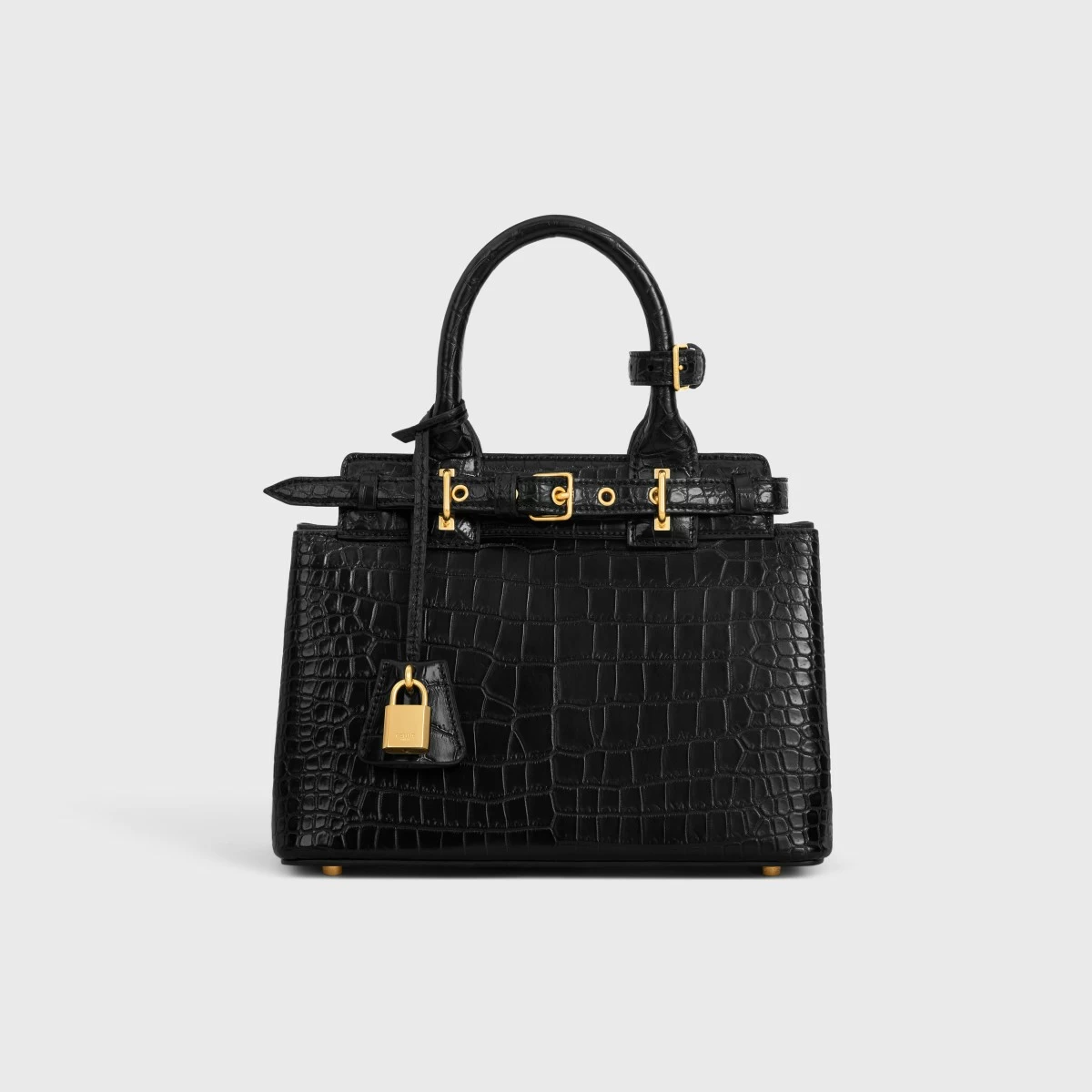
Conti Donna Saldi
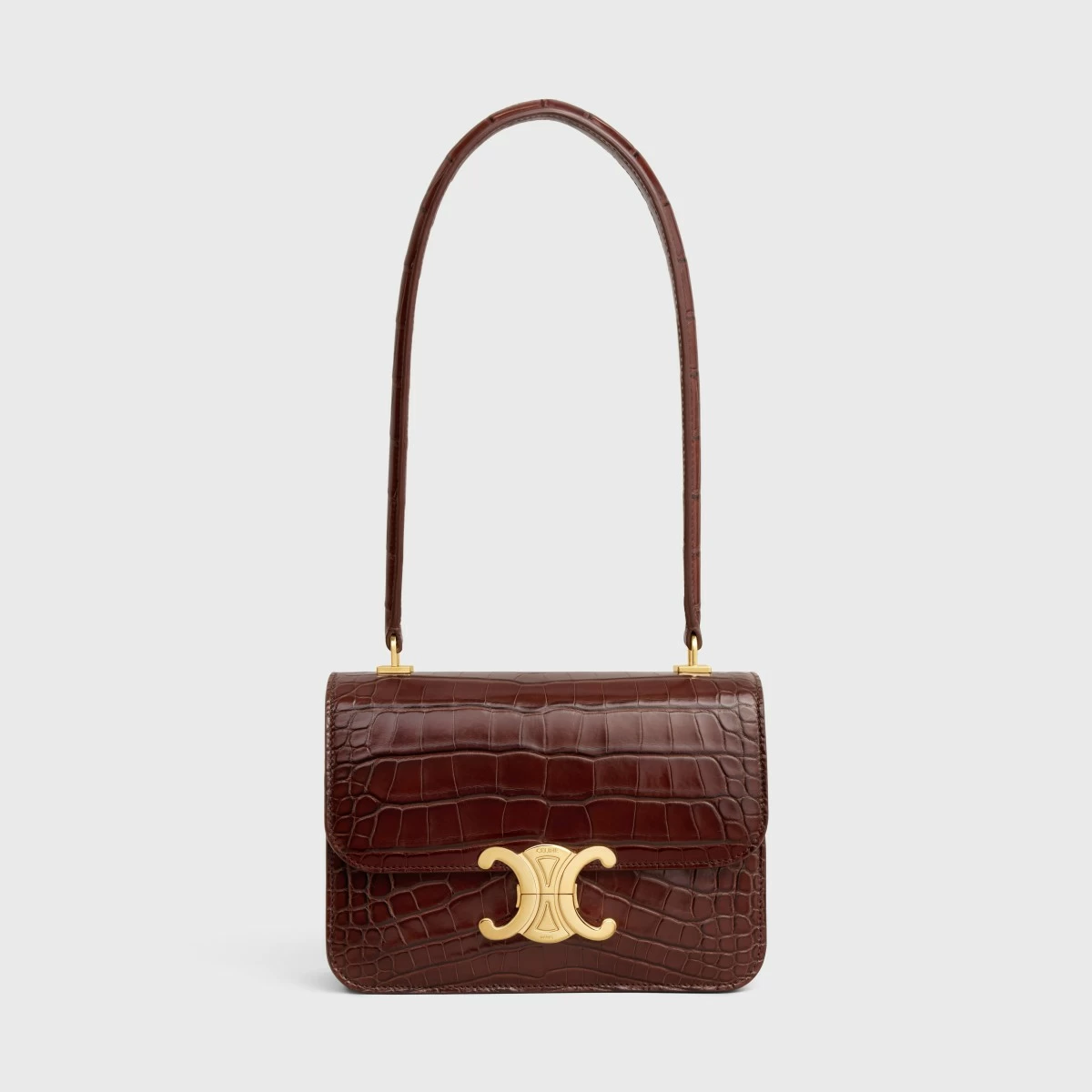
Teen Garanche in Croc
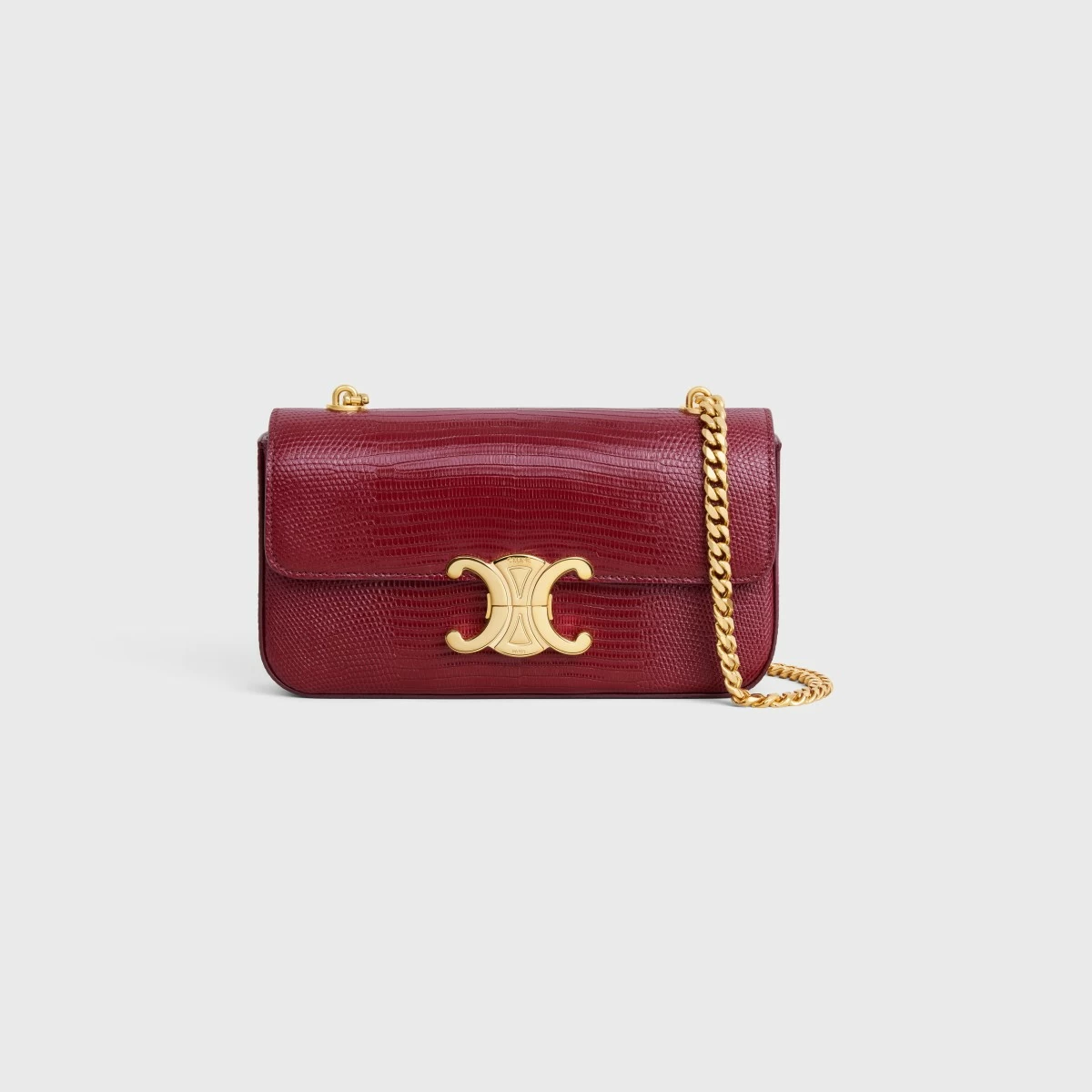
Chain Shoulder Bag Claude in Lizard
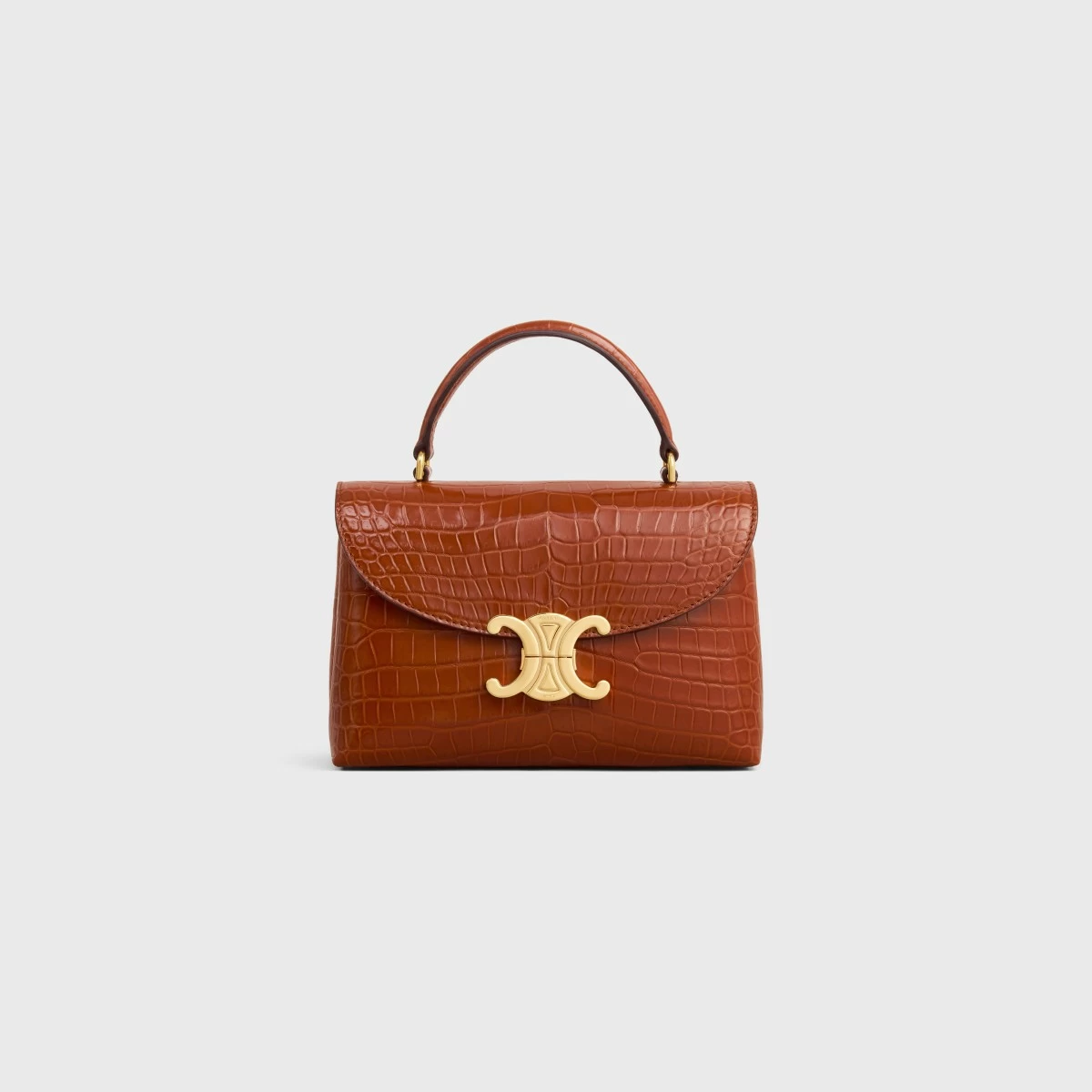
Teen Nino in Croc
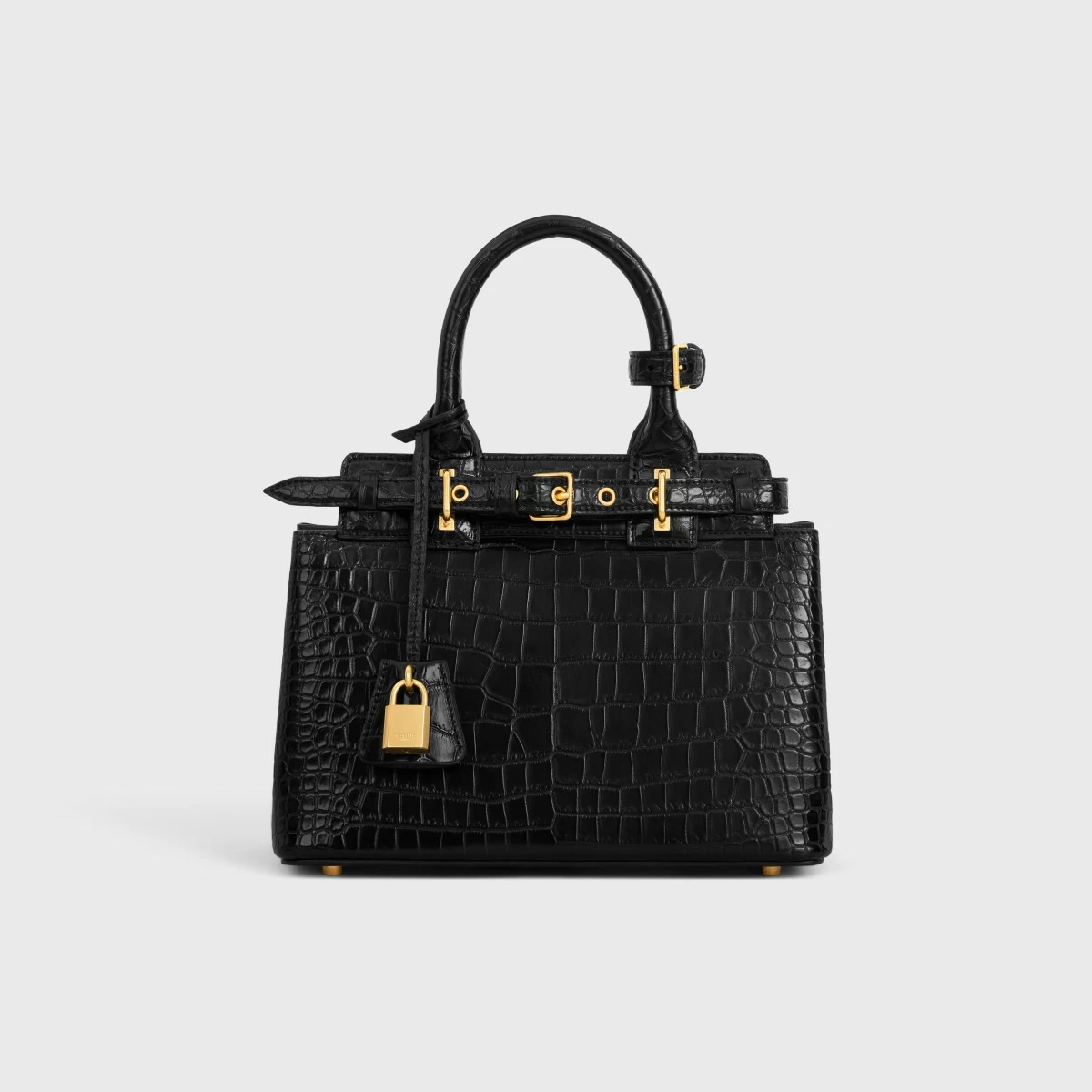
Conti Donna Saldi
Witnessing the savoir-faire presentation in Manila is an experience like no other for it offered something rarely seen outside the ateliers of France. It revealed that behind every CELINE bag lies not just premium materials or impeccable design, but countless hours of skilled hands, inherited knowledge, unwavering commitment to craftsmanship, and a quiet dedication to excellence. And that may well be the greatest luxury of all.