






Manila Bulletin
 Philippines
National
Government studying excise, health tax reforms to offset P66-B revenue loss from Marcos' tax plan
Philippines
National
Government studying excise, health tax reforms to offset P66-B revenue loss from Marcos' tax plan
Philippines
National
Government studying excise, health tax reforms to offset P66-B revenue loss from Marcos' tax plan
Government studying excise, health tax reforms to offset P66-B revenue loss from Marcos' tax plan
Published Jul 31, 2026 01:28 pm


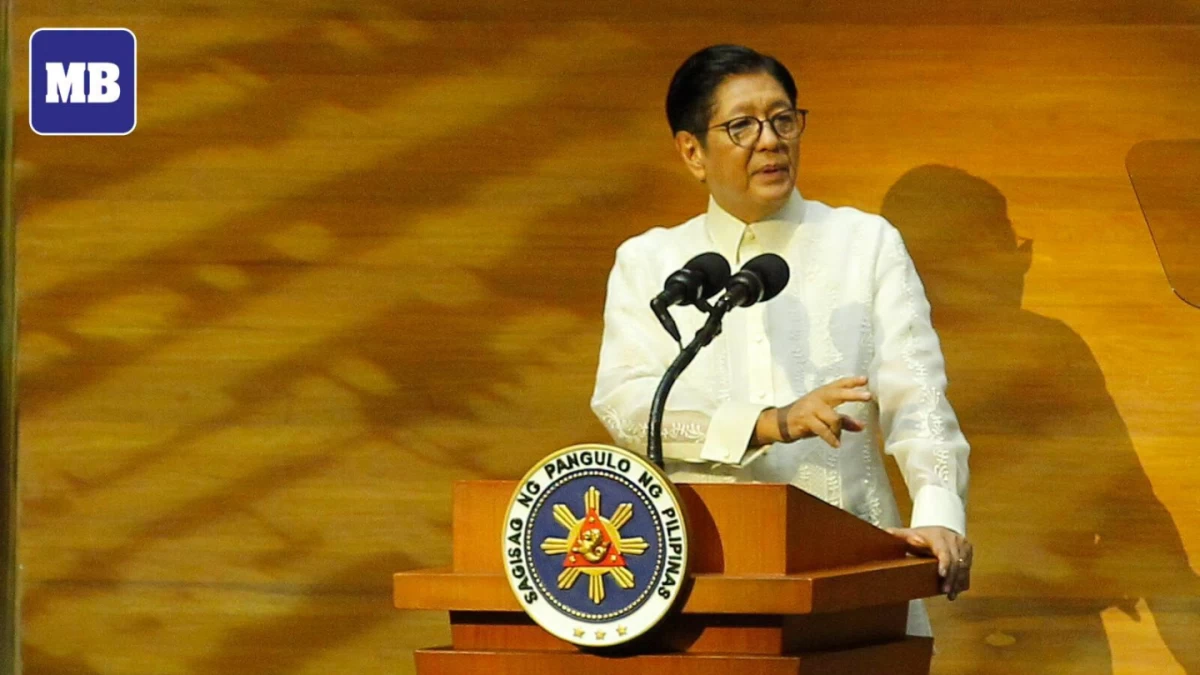
President Ferdinand R. Marcos Jr. outlines his administration’s economic accomplishments, key policy priorities, and upcoming legislative agenda during his fifth State of the Nation Address at the Batasang Pambansa in Quezon City on Monday, July 27, 2026. (Photo by Mark Balmores | MB)
Malacañang said the government is considering possible reforms in excise and health taxes to offset the P66 billion forgone revenues from President Marcos' proposed tax relief package.
Palace Press Officer and Communications Undersecretary Claire Castro said the Department of Finance (DOF) is studying various measure that would help the government to compensate for the forgone revenue from the proposed tax reliefs.
"Ang posible na maaaring magkaroon ng pagbabago o reporma ay iyong excise and health tax cases ‘no about—na maaaring mag-offset sa maaaring mawala na revenue ng gobyerno na nagkakahalaga nga ng 66 billion pesos (Among the possible reforms being considered are changes to excise and health taxes, which could help offset the estimated P66 billion in government revenue that may be lost)," Castro said in a Palace briefing on Thursday, July 30.
"Malaking halaga po ito na supposed to be ay talagang puwedeng ipantulong sa ating mga programa at proyekto (This is a significant amount that could otherwise be used to support the government's programs and projects)," Castro added.
Asked if the proposed tax measures would include tax on vaping products, sugary drinks, and single-use plastics, the Palace spokesperson said "these are being considered."
"So, we wish lang na lahat nang puwedeng ma-increase na mga tax sa ibang mga items ay ma-offset nga po iyong maaaring maging losses sa revenue (We hope that any tax increases on other items will help offset the potential loss in government revenue)," Castro said.
According to the Palace official, the details on the possible tax reforms and all proposals "are being carefully reviewed."
"Dahil ito nga ay nabanggit ng Pangulo na nais niya talaga na matulungan especially iyong mga middle income. Lahat po ito ay gagawin para po maipasang mabilis itong mga tax laws na nais ng Pangulo (As the President has said, he wants to provide relief, especially to middle-income earners. All of these measures are being undertaken to help ensure the swift passage of the tax laws that the President is pushing for)," Castro said.
Castro also assured the public that "all proposed measures will undergo careful study to ensure they do not unduly affect investors and will ultimately deliver greater benefits to the Filipino people."
The DOF earlier said that raising the annual personal tax exemption threshold to P350,000 would reduce government revenue by about P66 billion.
During his fifth State of the Nation Address (SONA) on July 27, Marcos called on Congress to pass a package of tax relief measures to ease the financial burden on workers, particularly the middle class, and to support small businesses amid the lingering effects of recent economic crises.
Under the proposed tax package, the government will expand the income tax exemption by increasing the threshold for tax-free annual income from the current PhP250,000 to PhP350,000, allowing more Filipino workers to keep a larger portion of their earnings.
The President also proposed reducing the income tax rates for other workers who will remain subject to taxation, saying the measure would provide additional financial relief and help increase disposable income.
To support micro, small, and medium enterprises (MSMEs), Marcos said smaller businesses would no longer be required to pay the minimum corporate income tax, a move aimed at helping them recover, expand operations, and generate more jobs.
The proposed package also includes a tax amnesty covering unpaid income taxes, estate taxes, donors' taxes, and value-added taxes (VAT), including the corresponding penalties and surcharges.