







DepEd readies implementation of Last Mile and GIDA Schools Act
Published Jul 31, 2026 02:57 pm


At A Glance
- Education Secretary Sonny Angara said DepEd is strengthening its key offices ahead of the implementation of Republic Act No. 12321, or the Last Mile and Geographically Isolated and Disadvantaged Areas (GIDA) Schools Act, which will take effect on Aug. 12.
- The law requires DepEd to develop a National Last Mile and GIDA School Map within one year from its effectivity.
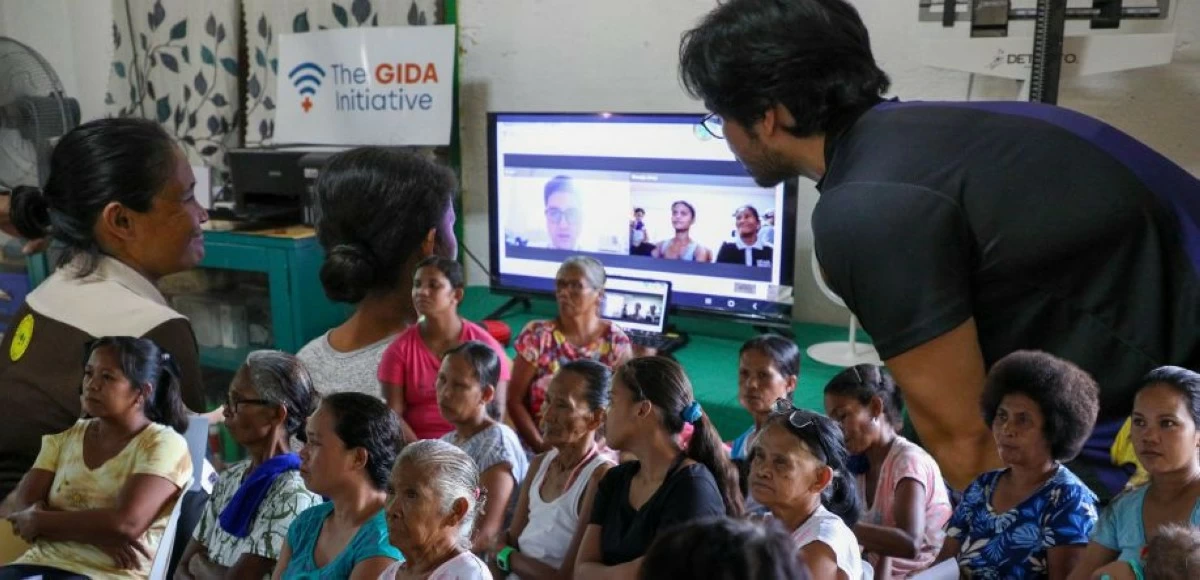
(Department of Education)
The Department of Education (DepEd) said it is finalizing the rules and technical guidelines for a new law that will set national standards for identifying and supporting schools in remote and geographically isolated and disadvantaged areas (GIDA).
Education Secretary Sonny Angara said DepEd is strengthening its key offices ahead of the implementation of Republic Act No. 12321, or the Last Mile and Geographically Isolated and Disadvantaged Areas (GIDA) Schools Act, which will take effect on Aug. 12.
The law requires DepEd to develop a National Last Mile and GIDA School Map within one year from its effectivity.
The map will guide the government's planning, funding allocation, and implementation of programs for schools in hard-to-reach communities and must be updated at least every three years.
“Nagpapasalamat tayo kay Pangulong Bongbong Marcos sa paglagda sa mahalagang batas na ito. Hindi na natin pwedeng iwanan sa huli ang ating mga guro at mag-aaral sa pinakamalalayong sulok ng bansa (We thank President Bongbong Marcos for signing this important law. We can no longer leave our teachers and students behind in the farthest corners of the country),” Angara said.
Under RA 12321, DepEd will develop evidence-based criteria for identifying schools covered by the law.
These will include areas where more than 75 percent of students belong to Indigenous Peoples (IP) communities, as well as conflict-affected and disaster-prone areas.
The department's existing parameters for identifying Last Mile Schools (LMS) and GIDA schools will also be reviewed and aligned with the new law.
The law sets a national accessibility standard requiring basic education schools to be within a three-kilometer walking distance from students’ places of residence.
When physical access is not feasible due to terrain, geography, land conditions, or security concerns, DepEd and local government units (LGUs) must provide transportation support and alternative learning delivery options.
Meanwhile, the Department of Public Works and Highways (DPWH) is tasked with ensuring that roads leading to schools comply with the Accessibility Law and universal design concepts.
The law also provides support for teachers and non-teaching personnel assigned to dangerous and isolated areas, with DepEd working with the Department of Budget and Management (DBM), LGUs, and other concerned agencies.
It also provides for career development through specialized training, pre-service curricula, career pathways, scholarships with return-service obligations, and a credit-point system.
Local recruitment mechanisms will prioritize residents and candidates who are culturally and linguistically suited to the communities they will serve.
The law also provides provisional deployment pathways and recognizes educators of Indigenous Knowledge Systems and Practices (IKSP) and cultural bearers.
For schools within ancestral domains, construction must comply with Republic Act No. 8371, or the Indigenous Peoples' Rights Act of 1997, including the required Free, Prior and Informed Consent (FPIC).
“Sa pangunguna ni Pangulong Marcos, ginagawan natin ng konkretong solusyon ang matagal nang problema: ang siguraduhing may maayos na silid-aralan, may sapat at protektadong guro, at magiging mas accessible ang mga paaralan sa mga mag-aaral (Under the leadership of President Marcos, we are putting concrete solutions in place to address a longstanding problem: ensuring that there are adequate classrooms, sufficient and protected teachers, and that schools become more accessible to students),” Angara said.
DepEd said it is currently completing the implementing rules and technical guidelines to ensure the program is ready when the law takes full effect next month.