






 Business
The Economy
BSP: Stronger demand, easing US-Iran conflict buoy 2027 business outlook
Business
The Economy
BSP: Stronger demand, easing US-Iran conflict buoy 2027 business outlook
BSP: Stronger demand, easing US-Iran conflict buoy 2027 business outlook
By Derco Rosal


At A Glance
- Local businesses grew less pessimistic about economic activity in June, according to the Bangko Sentral ng Pilipinas (BSP), with the year-ahead outlook becoming more upbeat from the previous month's level.
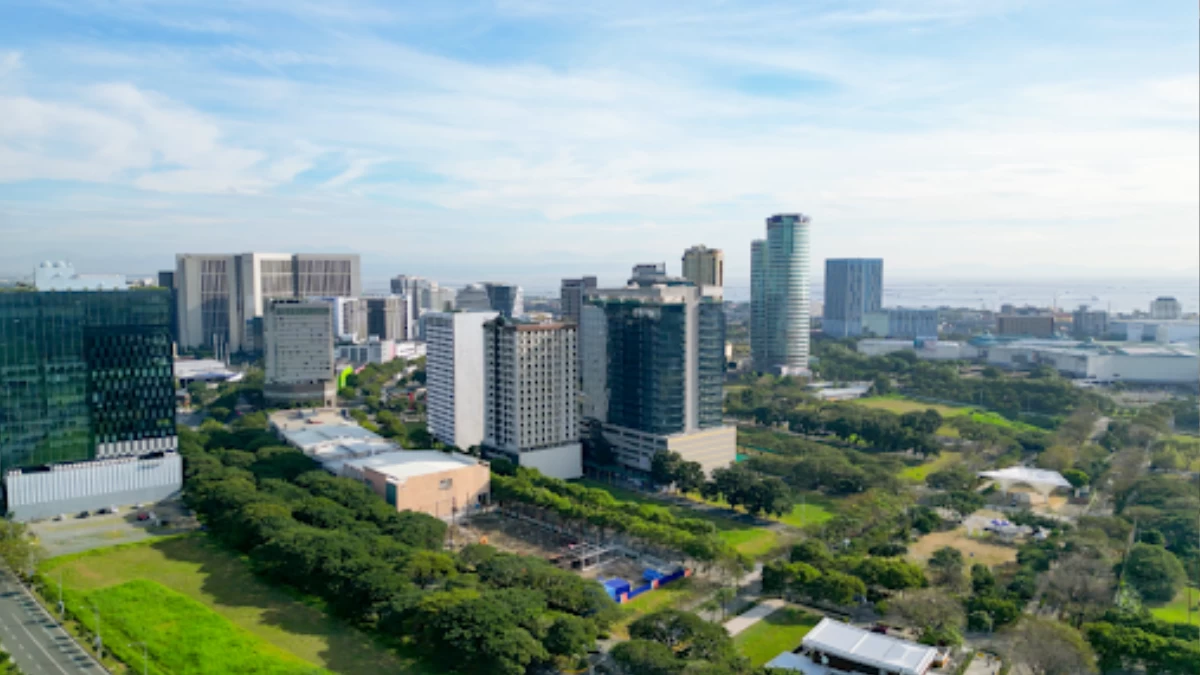
Local businesses grew less pessimistic about economic activity in June, according to the Bangko Sentral ng Pilipinas (BSP), with the year-ahead outlook becoming more upbeat from the previous month.
Businesses have generally grown “more optimistic” about the economic environment by mid-2027, according to the BSP’s latest business expectation survey (BES), which surveyed more than 500 companies in June.
According to the report released on Friday, July 31, businesses’ optimistic outlook hinged on more robust consumer demand for goods and services, as well as the likely easing and eventual resolution of the United States (US)-Iran war, which has been a major headwind for the local business environment.
Firms were also anticipating “improved domestic and international economic conditions” a year from now.
Over the next 12 months, businesses intend to expand their operations and workforce by hiring more employees.
This would come against expectations of a still-elevated inflation rate of 5.6 percent—higher than the tolerance ceiling of four percent.
Businesses were concerned about higher energy prices, fuel supply shocks, ongoing Middle East tensions, and peso depreciation. However, firms generally expect the local currency to gain footing against the greenback by June 2027.
“Overall, the favorable business outlook could support economic growth for 2027,” the report read.
Sentiment in June alone turned neutral from the negative sentiment in May. “A neutral or zero index suggests that optimists and pessimists are nearly equal in number,” the BSP said.
Leading the reasons behind the improved sentiment in June was the acceleration of consumer spending during the month, driven by back-to-school activities. Firms’ improved sentiment also hinged on lower oil and energy costs during the month.
During the month, the availability of credit from banks was “less tight” compared to the previous month, even as financial conditions were tighter.
Among the primary constraints businesses faced during the month were stiff competition and insufficient demand.
Inflation peaked at 7.2 percent in April and eased to 6.8 percent in May before slowing further to 6.4 percent in June. Much of the elevated inflation was tied to surging oil prices caused by the blockage of the Strait of Hormuz.
Domestic growth continued to slow to 2.8 percent in the first quarter of 2026, its weakest pace since the height of the Covid-19 pandemic. It revived the narrative about the country being the “sick man of Asia” and also prompted private-sector watchers to flag the heightened risk of stagflation amid overheating inflation.