






Manila Bulletin
 Business
Trade & Industry
Tax expert cautions lawmakers against using vapes, tobacco to cover tax cuts
Business
Trade & Industry
Tax expert cautions lawmakers against using vapes, tobacco to cover tax cuts
Business
Trade & Industry
Tax expert cautions lawmakers against using vapes, tobacco to cover tax cuts
Tax expert cautions lawmakers against using vapes, tobacco to cover tax cuts
By Derco Rosal
Published Jul 30, 2026 10:39 pm


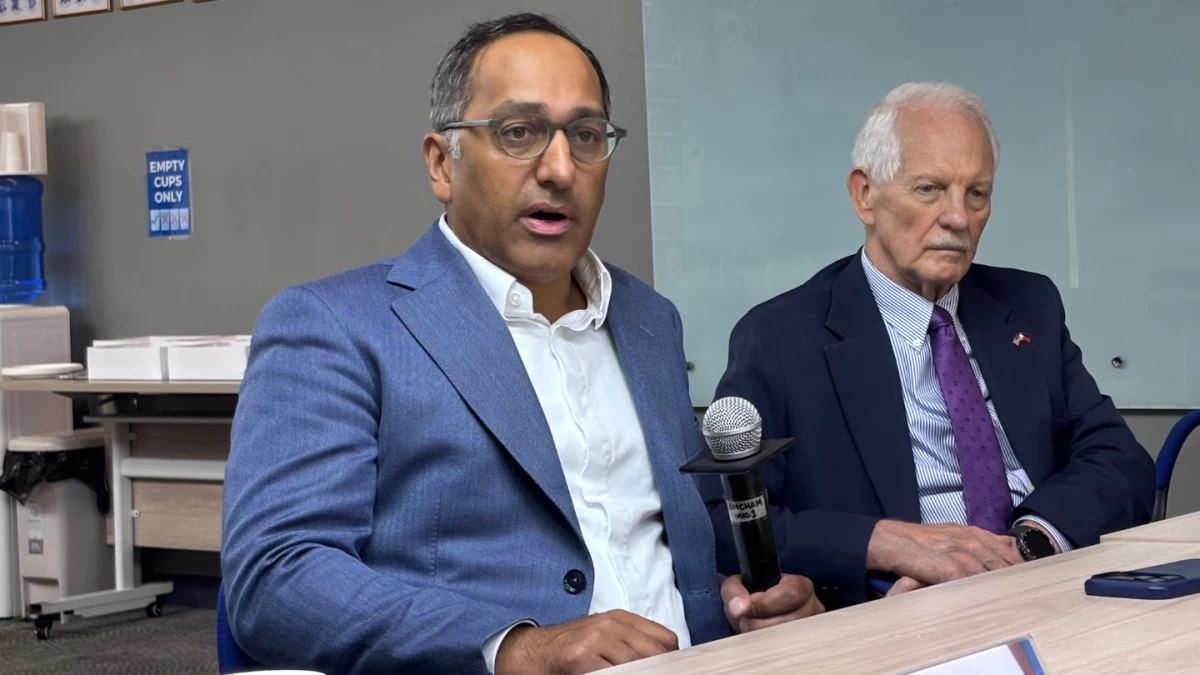
Ashok Kaul, founder and director of the Institute for Policy Evaluation
The Philippines must step up law enforcement and gather independent data to combat persistent illicit trade if it wants future tax hikes on nicotine and tobacco to succeed, according to a global tax expert.
While the nation has made significant progress in curbing smoking rates over the past decade, Ashok Kaul, founder and director of the Institute for Policy Evaluation, said black market activity risks undermining both public health objectives and fiscal policies.
“Overall, my reading of the Philippine tobacco and nicotine market is very positive,” Kaul said during a roundtable hosted by the American Chamber of Commerce of the Philippines.
While he gave a positive assessment of the country's tax reforms since the implementation of the landmark Sin Tax Reform Act of 2012 under former President Benigno Aquino III, Kaul warned that rising illicit trade poses a serious threat to those gains.
The warning comes as the House of Representatives considers raising excise taxes on vapor products, tobacco, sugar-sweetened beverages, and single-use plastics.
Lawmakers aim to recoup an estimated ₱66 billion in foregone revenues resulting from broader tax reform packages pushed by President Ferdinand Marcos Jr.
Kaul cautioned lawmakers against treating behavioral taxes as a permanent piggy bank to offset budget shortfalls or cover revenues lost from other tax relief measures.
“It’s not wise to rely on revenue from sin taxes. Sin taxes are designed for a different purpose—they’re not meant primarily to generate revenue,” Kaul said.
“Over time, that should naturally erode the tax base. Declining revenue is actually a desirable outcome because it means people are correcting their behavior. That’s why we have to be careful not to place too much emphasis on revenue from sin taxes,” he added.
The Bureau of Internal Revenue collected ₱327 billion from excise taxes last year, accounting for more than a tenth of its overall ₱3.11 trillion revenue haul.
While Philippine smoking prevalence has dropped to roughly 20 percent from 30 percent over the last decade, Kaul said that further declines will stall unless the government reins in the black market.
Higher rates of illicit trade require stronger police work, not lower tax rates, he noted.
“If you have evidence of higher illicit trade in certain regions, invest in law enforcement. Not accept it and go in with lower rates. Fight it,” Kaul said.
A major obstacle facing policymakers is the lack of objective statistics. Advanced economies also struggle with tracking illegal trade, but relying on law enforcement seizure reports or tobacco industry surveys produces flawed metrics, according to Kaul.
He urged the government to fund its own standardized surveys using advanced tools like artificial intelligence to accurately gauge black market volumes.
“If you don’t have representative data, it’s useless," Kaul said. "You can’t steer the economy.”