







PH assures ASEAN of full support in effective administration of justice
Published Jul 30, 2026 03:09 pm


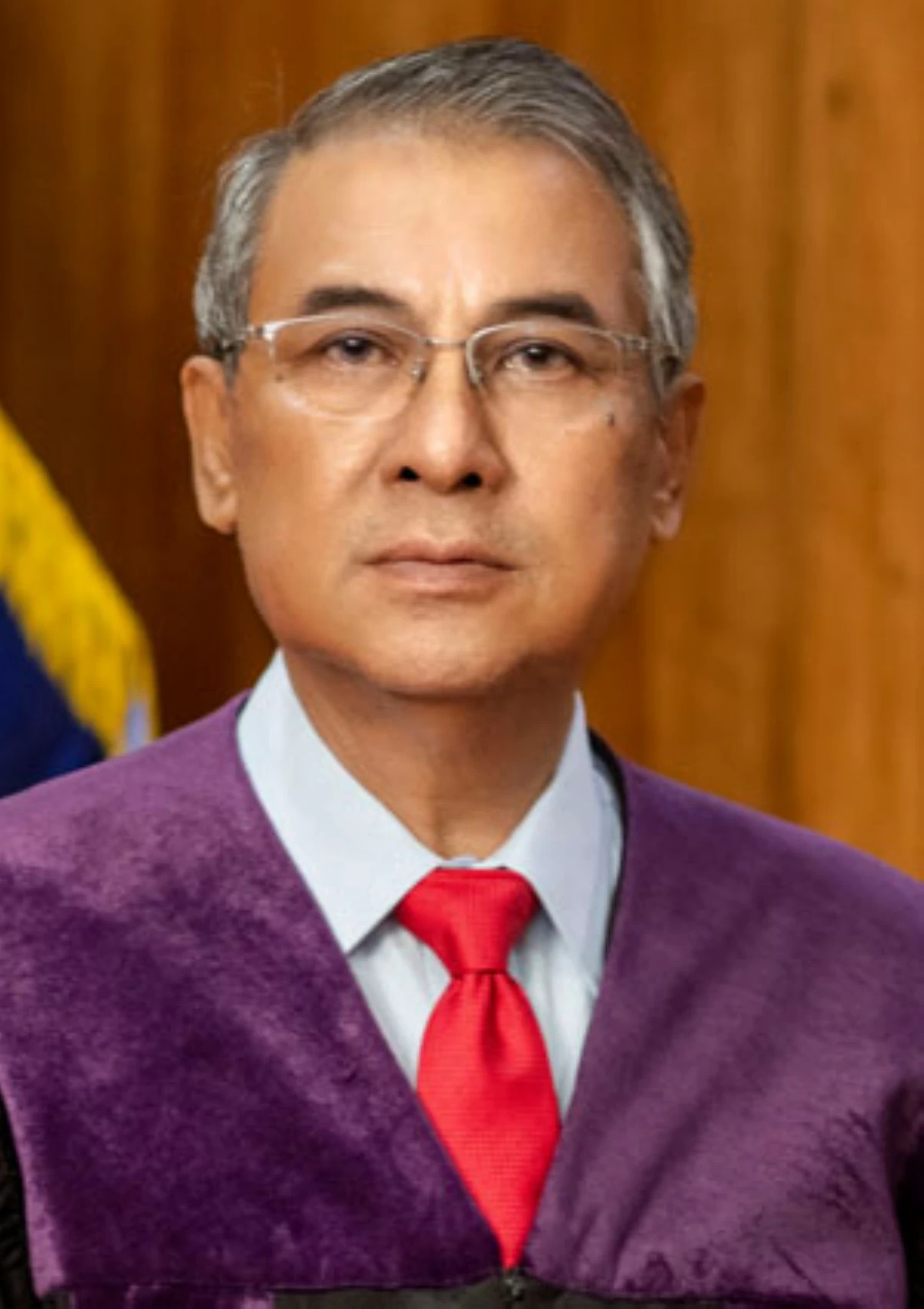
Chief Justice Alexander G. Gesmundo assured the members of the Association of Southeast Asian Nations (ASEAN) of the Philippine judiciary’s support in advancing judicial cooperation, the rule of law, and the effective administration of justice across the region.
Chief Justice Gesmundo, seven other Supreme Court (SC) justices and other officials participated in the 13th Council of ASEAN Chief Justices (CACJ) meeting held last week in Bangkok, Thailand to strengthen regional judicial cooperation.
The Bangkok meeting was attended by the chief justices and judicial representatives of Brunei Darussalam, Kingdom of Cambodia, Republic of Indonesia, Lao People’s Democratic Republic (PDR), Malaysia, Republic of the Union of Myanmar, Republic of the Philippines, Republic of Singapore, Thailand, Democratic Republic of Timor Leste, and Vietnam.
The CACJ serves as the principal forum for cooperation among ASEAN judiciaries. It was set up to address issues of common concern and to facilitate dialogue, knowledge-sharing, and collaborative initiatives among the region’s courts through its various working groups.
Chief Justice Gesmundo was joined in the Bangkok meeting by Senior Associate Justice Marvic M.V.F. Leonen; Associate Justices Amy C. Lazaro-Javier, Henri Jean Paul B. Inting, Rodil V. Zalameda, Jose Midas P. Marquez, Antonio T. Kho, Jr., and Raul B. Villanueva; and Philippine Judicial Academy (PHILJA) Acting Chancellor and retired SC Associate Justice Edgardo L. Delos Santos.
A press briefer issued by the SC’s Office of the Spokesperson stated that during the meeting, the CACJ Working Groups reported on their accomplishments and presented initiatives for the coming year.
After the reports, the CACJ finalized and signed the Bangkok Declaration, which embodies the collective commitments and resolutions adopted by the ASEAN judiciaries. Details of the Declaration were not available as of posting.
In his opening speech, Chief Justice Gesmundo noted how the CACJ “has evolved into a community of judicial leaders united by shared values and a commitment to learning from one another, enabling member judiciaries to respond to emerging challenges while strengthening mutual trust and collaboration.”
Gesmundo said: “One of the most significant lessons I have gained from my years of participation in the CACJ is the recognition that, although our legal systems differ in history, structure, and tradition, they are united by principles that transcend national boundaries. Our collective pursuit of justice, fairness, judicial independence, integrity, and the rule of law provide a common foundation that connects our judicial institutions.”
He also expressed the Philippines’ gratitude to the ASEAN judiciaries for their continued engagement as he recalled the Philippines’ hosting of the 11th CACJ Meeting in Cebu in 2024.
During the Bangkok meeting, Senior Associate Justice Leonen as chairperson of the Working Group on Climate Justice reported to his group’s ongoing efforts to strengthen judicial capacity and cooperation on climate justice.
Leonen said that among the group’s key initiatives is a regional symposium on the International Court of Justice’s Advisory Opinion on Climate Change, scheduled for October 2026.
He also said that with judges, judicial officers, and legal scholars from the ASEAN, the symposium will examine how the legal principles articulated in the Advisory Opinions are being interpreted and applied in different jurisdictions, and how these developments may help shape and guide domestic principles.
He added that the discussions will also explore emerging trends in climate litigation, including state accountability, corporate responsibility, evidentiary challenges, and the enforcement of environmental and climate-related judgments.
Associate Justice Lazaro-Javier, co-chairperson of the Working Group on Cross-Border Disputes Involving Children (CBDIC WG), delivered the group’s report on behalf of the Philippines.
The lady justice highlighted the successful conduct of the 4th ASEAN Family Judges Forum on Therapeutic Justice held on April 28, 2026, during the 2026 CACJ Working Week in Kuala Lumpur, Malaysia.
She said the forum provided a platform for judges and judicial officers across ASEAN to exchange experiences and best practices in addressing family disputes involving children.
She added that the forum underscored the importance of multi-disciplinary approaches in resolving family cases in a manner that is child-centered, restorative, and responsive to the needs of affected families.
Associate Justice Marquez, chairperson of the Working Group on the Conduct of Videoconferencing Hearings (VCH WG), reported on the ongoing efforts of his group to collaborate with the judiciaries of the People’s Republic of China, Japan, and the Republic of Korea toward the development of a Compendium of Videoconferencing Practices among ASEAN+ States (Compendium), which is a revised and expanded version of the Compendium of Videoconferencing Practices among ASEAN member countries.
Marquez shared his group’s commitment to regularly update the compendium to reflect developments in the videoconferencing procedures within ASEAN.
He also shared recent amendments to the Philippines’ rules on videoconferencing hearings, including measures that facilitate cross-border proceedings and expand the venues from which witnesses located abroad may testify.
PHILJA Acting Chancellor Delos Santos reported on the initiatives of the Working Group on Judicial Education and Training (JET WG) chaired by both Indonesia and the Philippines.
Among the group’s major projects is the ASEAN Compendium of Good Practices in Adjudicating Trafficking in Persons Cases (Compendium), a resource designed to strengthen judicial capacity and promote victim-sensitive adjudication across ASEAN.
He reported the completion of the updated edition of Volume 1 and the preparation of Volume 2, which documents the experiences and practices of the judiciaries of Lao PDR, Malaysia, Myanmar, and Singapore.
Also joining the Philippine delegation at the CACJ meeting were Court Administrator Ma. Theresa C. Dolores Gomez-Estoesta, SC Spokesperson Atty. Camille Sue Mae L. Ting, Chief Communications Officer Atty. Michael Jobert I. Navallo, Deputy Clerk of Court and Judicial Program Reform Administrator Atty. Laura C. H. Del Rosario, Deputy Clerk of Court and Chief Technology Officer Atty. Jed Sherwin G. Uy, Deputy Chief Justice Staff Head Atty. Antonio Ceasar R. Manila, and other SC lawyers and personnel.