







Filipino 'Pickpocket Hunter' goes viral after Rome subway clash


At A Glance
- A Filipino worker in Rome went viral after confronting suspected pickpockets on a crowded subway train, but for Mervin Dayagro, it started with guilt after witnessing an elderly tourist being robbed. What began as silent regret turned into a risky personal mission to track and warn against thieves, now drawing both praise and criticism online.
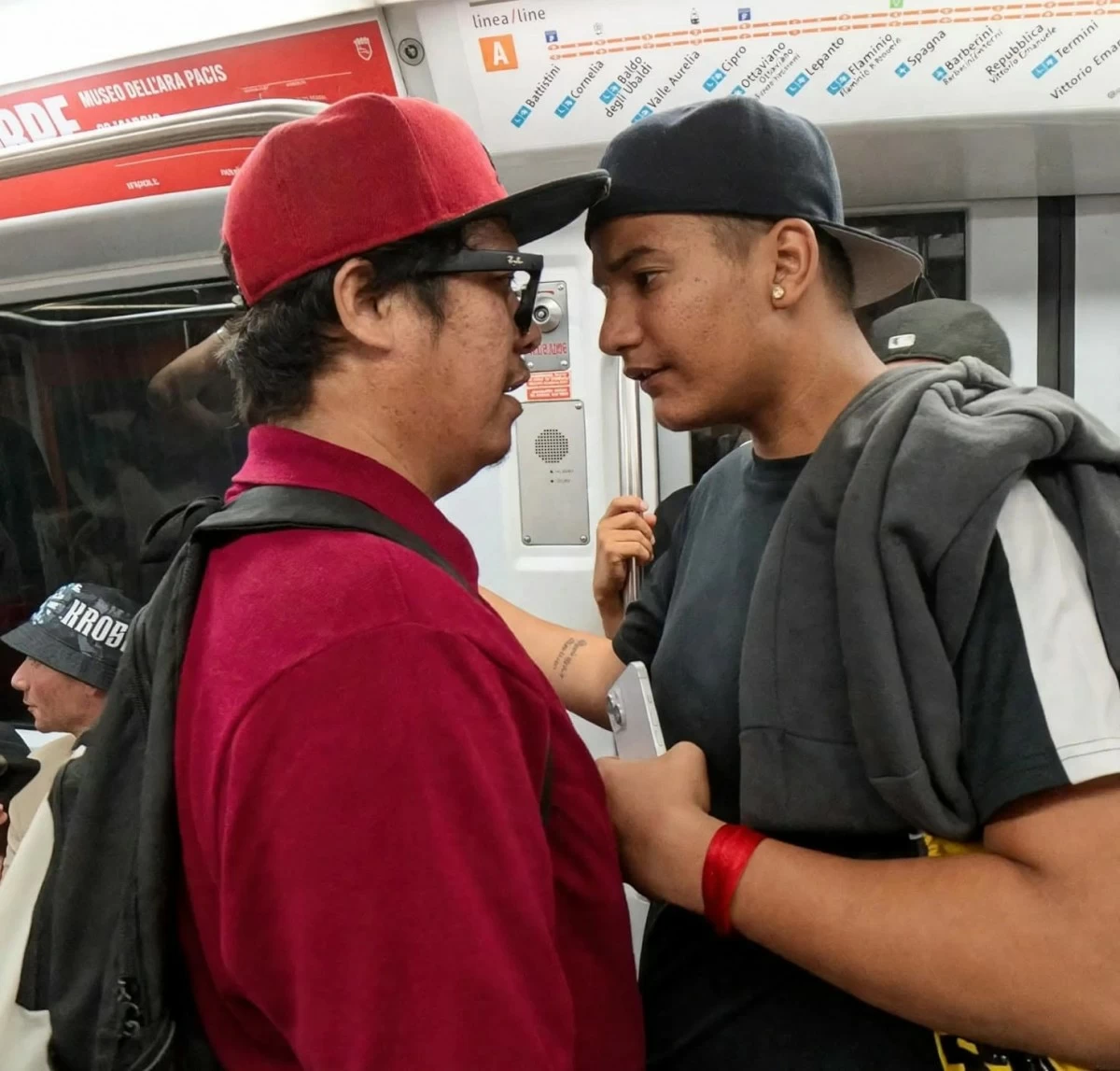
Inside a packed subway in Rome, a tense confrontation spiraled into a physical clash, one that would soon go viral and turn a Filipino worker into an unlikely figure in the city’s fight against pickpockets.
Mervin Dayagro, 45, a factory worker from Dasmariñas, Cavite, did not set out to become what the internet now calls a “pickpocket hunter.”
Months before the viral incident, he witnessed something he could not forget.
On his way to work along Line B near Colosseo, he saw an elderly tourist being robbed right in front of him. A man and a woman slipped a pouch, likely containing cash and documents, from the victim before quickly stepping off the train.
Moments later, the elderly passenger realized what had happened.
“Hindi kinaya ng konsensiya ko (My conscience couldn’t take it),” Dayagro said.
He stayed silent that day, afraid of getting involved in a foreign country where he was still adjusting. But the guilt lingered.
“Kung hindi ako nakakita ng nangyari sa matandang ’yon, baka wala akong naging dahilan para maging pickpocket hunter (If I hadn’t seen what happened to that elderly person, I wouldn’t have had a reason to become a pickpocket hunter),” he said.
The next day, he decided to act.
Dayagro began observing suspected pickpockets across Rome’s Metro system, studying their movements and patterns. He later connected with other anti-pickpocket volunteers, including groups like Guardian of Rome, to learn how they operated. For three months, he monitored quietly without a camera.
Eventually, he started warning commuters himself.
“Attenzione, pickpocket!” he would shout inside trains, alerting unsuspecting passengers, often tourists, the elderly, and Asian visitors whom he said are frequent targets.
His warnings sometimes went further. In one instance, he even spoke in Korean to alert a couple who were being targeted.
But his growing involvement also put him at risk.
On July 13, Dayagro found himself once again face to face with a group he believed to be pickpockets, this time alongside fellow Filipino Jordan Tamayo and UK-based content creator Dje Media.
What began as surveillance quickly escalated.
According to Dayagro, the suspects recognized him and began provoking him, hurling insults and repeatedly shouting “Filipina, Filipina” in an apparent attempt to taunt him. The confrontation intensified inside a crowded train carriage, where tensions boiled over.
“Siya ang unang manakit, kaya may dahilan akong gumanti (He struck first, so I had reason to fight back),” Dayagro said.
A scuffle broke out, witnessed by passengers and security personnel, but he claimed no formal action was taken.
The video of the encounter, later uploaded online, spread rapidly.
By the next morning, Dayagro realized he had gone viral.
“May Pinoy na biglang nagpapa-picture. ‘Ikaw ’yung viral guy ngayon?’ (A Filipino suddenly asked for a photo and said, ‘You’re the viral guy now?’)” he recalled. “Doon ko lang nalaman (That’s when I found out).”
The reaction was mixed. Many praised him, calling him a hero. Others labeled him a vigilante.
Dayagro shrugged off the criticism.

“Bahala kayo. Wala kayo rito sa Italya. Hindi n’yo alam ang kalakaran dito (That’s up to you. You’re not here in Italy. You don’t know how things work here),” he said.
Still, he acknowledged the risks.
He works long hours and supports his family back home, sending money regularly. While he insisted he is not afraid, he admitted concern for his safety, especially being alone abroad.
His family, he said, constantly reminds him to be careful.
“Hindi sila sumusuporta nang tuwiran, pero alam kong natutuwa sila dahil nakakatulong ako (They don’t directly support it, but I know they’re happy because I’m helping),” he said.
Despite the dangers, Dayagro believes his actions serve a purpose.
He said pickpocketing remains a serious issue in Rome’s public transport system, often targeting unsuspecting tourists. While he believes authorities should ultimately address the problem, he hopes his efforts can at least raise awareness.
“Sana maramdaman ng mga tao rito na may dayuhang may pakialam, na may gustong baguhin ang takbo ng sistema (I hope people here feel that a foreigner cares, that someone wants to change the system),” he said.
For those he confronts, his message is simple.
“Sana baguhin n’yo ang takbo ng buhay n’yo. Bata pa kayo (I hope you change your lives. You’re still young),” he said.
But he also knows the risks of what he’s doing.
“Alam kong delikado (I know it’s dangerous),” he admitted.
Still, he continues.
The viral video may have introduced him to the world, but for Dayagro, this was never about attention.
It began with one moment he could not ignore.
And now, there is no turning back.
“Pero nandito na tayo. Kaya ipagpapatuloy ang laban (We’re here now. I’ll keep going),” he said.