







DSWD expands centers to assist people living on streets
Published Jul 30, 2026 02:58 pm


At A Glance
- Latest data showed that DSWD's Pag-abot teams have profiled 29,988 individuals, reached out to 22,852 persons, and successfully reintegrated 21,174 beneficiaries into their home communities.
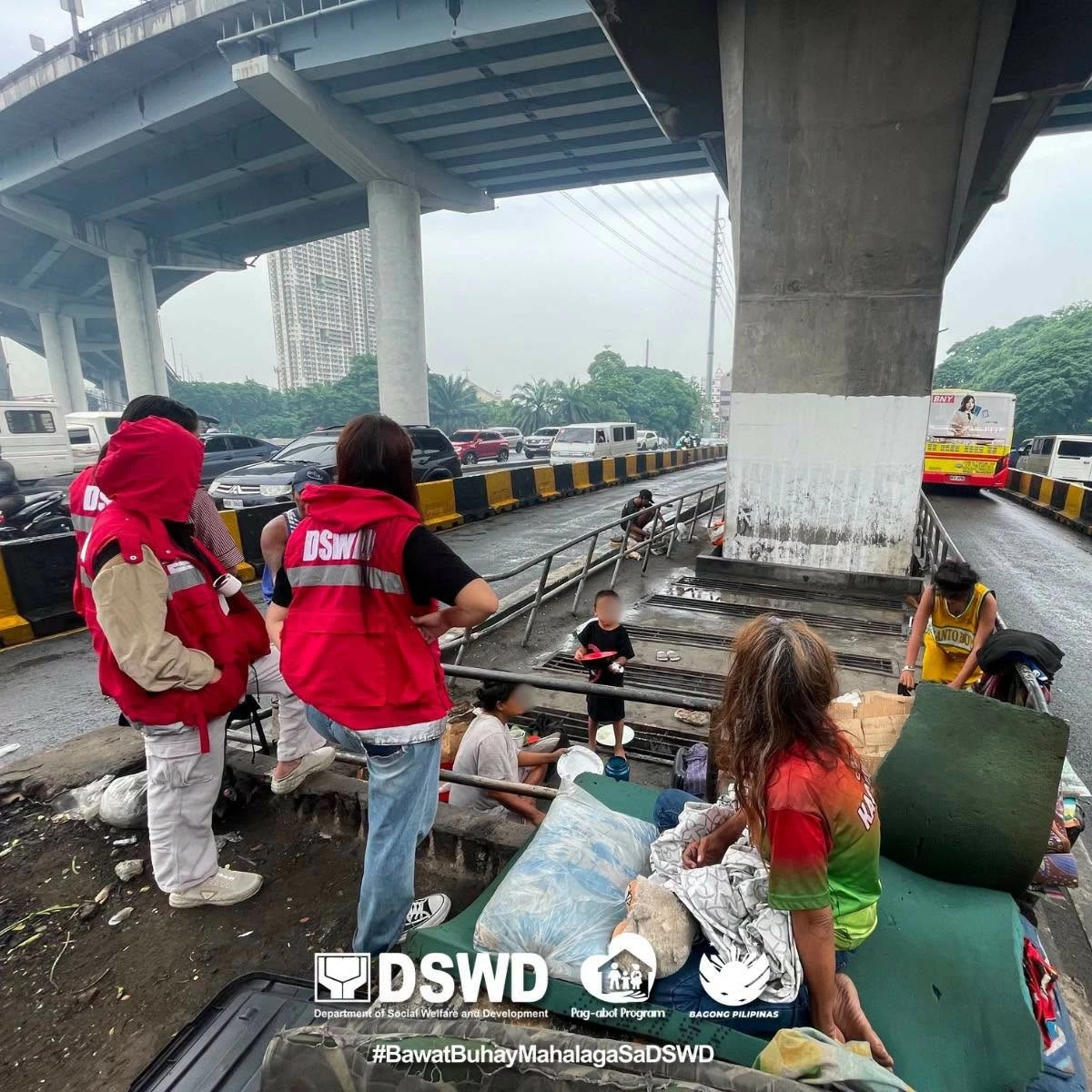
(DSWD Photo)
The Department of Social Welfare and Development (DSWD) said it is expanding its processing centers to accommodate more families and individuals in street situations as it steps up efforts to provide them with shelter, support, and reintegration assistance.
DSWD Assistant Secretary and spokesperson Irene Dumlao said on Thursday, July 30, that the department is increasing its processing capacity as its field offices continue to conduct reach out operations nationwide.
“Pinaparami na rin po ng Departamento ang ating processing centers to of course, accommodate more clients, more beneficiaries, dahil ito po ang mandato ng DSWD, to ensure that no Filipinos are living on the streets (The Department is also increasing the number of our processing centers to accommodate more clients and beneficiaries because it is the DSWD’s mandate to ensure that no Filipinos are living on the streets),” Dumlao said.
The DSWD currently maintains four Pag-abot Processing Centers, two of which are active in Pasay City and Cebu.
Two others in Pampanga and the Cordillera Administrative Region are undergoing renovation to accommodate more individuals.
Latest data showed that Pag-abot teams have profiled 29,988 individuals, reached out to 22,852 persons, and successfully reintegrated 21,174 beneficiaries into their home communities.
The Pag-abot Program provides immediate interventions, temporary shelter, and support services to children, individuals, and families in street situations, with the goal of helping them return to their home communities and achieve more stable living conditions.
Families and individuals in street situations reached by social workers undergo an initial assessment before they are admitted to Pag-abot Processing Centers and Centers for Residential Care Facilities.
“Our commitment in the Department remains firm in protecting the vulnerable, especially the families and individuals in street situation, gagawin po ang lahat ng DSWD para maalis sila sa kapahamakan na maaaring idulot ng lansangan, lalo na po na ngayon ay pumasok na tayo sa panahon ng tag-ulan (Our commitment in the Department remains firm in protecting the vulnerable, especially families and individuals in street situations. The DSWD will do everything it can to keep them away from the dangers that the streets may bring, especially now that the rainy season has begun),” Dumlao said.
She added that the DSWD's goal is to ensure that beneficiaries receive adequate support so they would not return to street life.
“The goal of DSWD is to give individuals and families in street situations a fresh start, safe living environments, and stable support systems. Hindi po namin hahayaang bumalik sila sa buhay sa kalsada so we always make sure na nabibigyan sila ng tama at sapat na suporta (The goal of the DSWD is to give individuals and families in street situations a fresh start, safe living environments, and stable support systems. We will not allow them to return to life on the streets, so we always make sure they receive the right and adequate support),” she said.
The Pag-abot Program was institutionalized under Executive Order No. 52 and was also highlighted among the DSWD's social welfare initiatives in the recently released “The President's Report to the People 2022-2026.”