






Manila Bulletin
 Environment and Sustainability
PHILHOST 2026 charts a sustainable path for Philippine tourism and hospitality
Environment and Sustainability
PHILHOST 2026 charts a sustainable path for Philippine tourism and hospitality
Environment and Sustainability
PHILHOST 2026 charts a sustainable path for Philippine tourism and hospitality
PHILHOST 2026 charts a sustainable path for Philippine tourism and hospitality
Published Jul 29, 2026 02:38 pm
|
Updated Jul 29, 2026 02:37 pm


Sustainability was the focus of discussions among hospitality executives, tourism stakeholders, developers, architects, and sustainability advocates during the PHILHOST 2026: Sustainability in Focus – Purpose. Impact. Action., held at Ascott Bonifacio Global City on July 2.
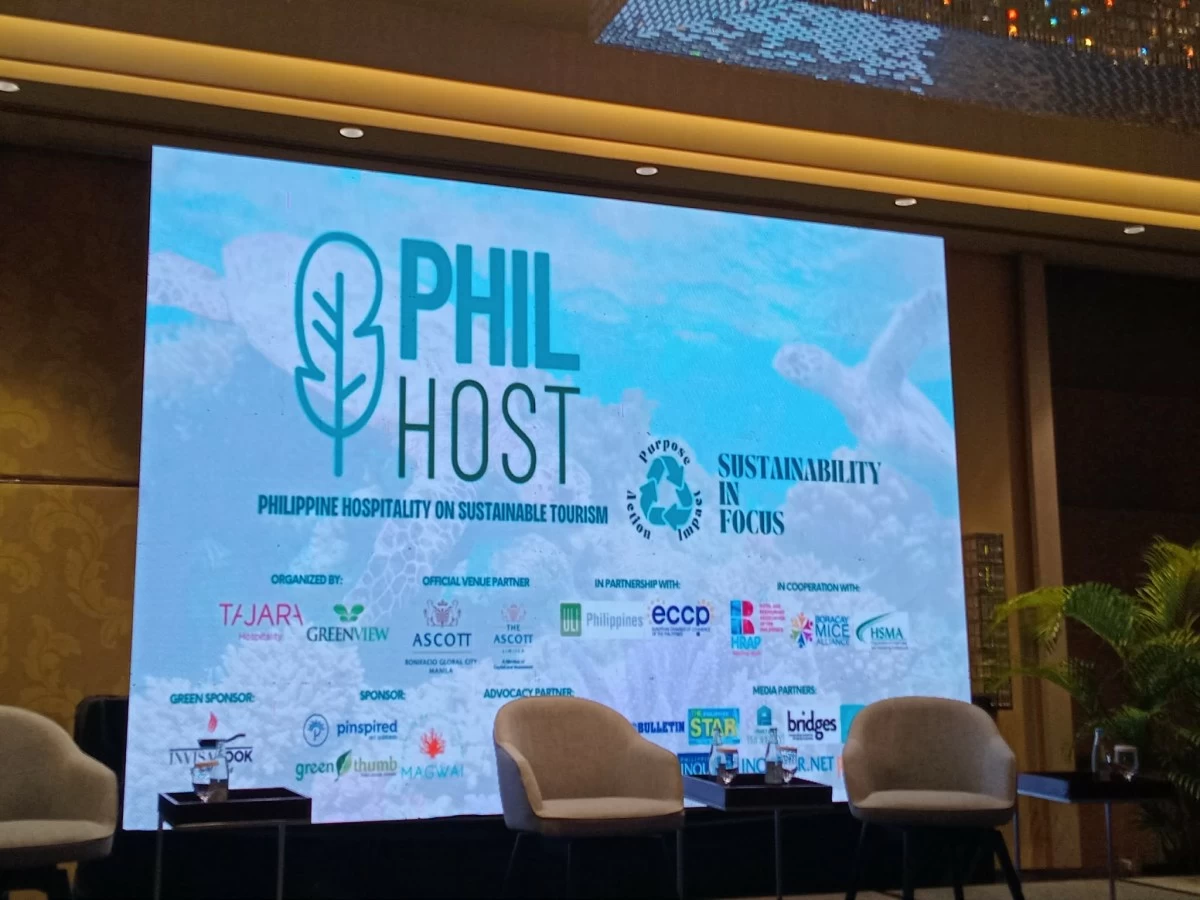
Sustainability has long been a recurring topic in the hospitality industry, appearing in corporate reports, marketing campaigns, and industry conferences. As climate change, evolving traveler preferences, and business challenges continue to shape the sector, discussions have increasingly shifted toward the implementation of sustainability initiatives.
The event served as a forum for discussions on how the hospitality industry can address climate-related challenges while maintaining business competitiveness. Speakers discussed sustainable food systems, circular tourism, green building design, responsible development, and regenerative hospitality.
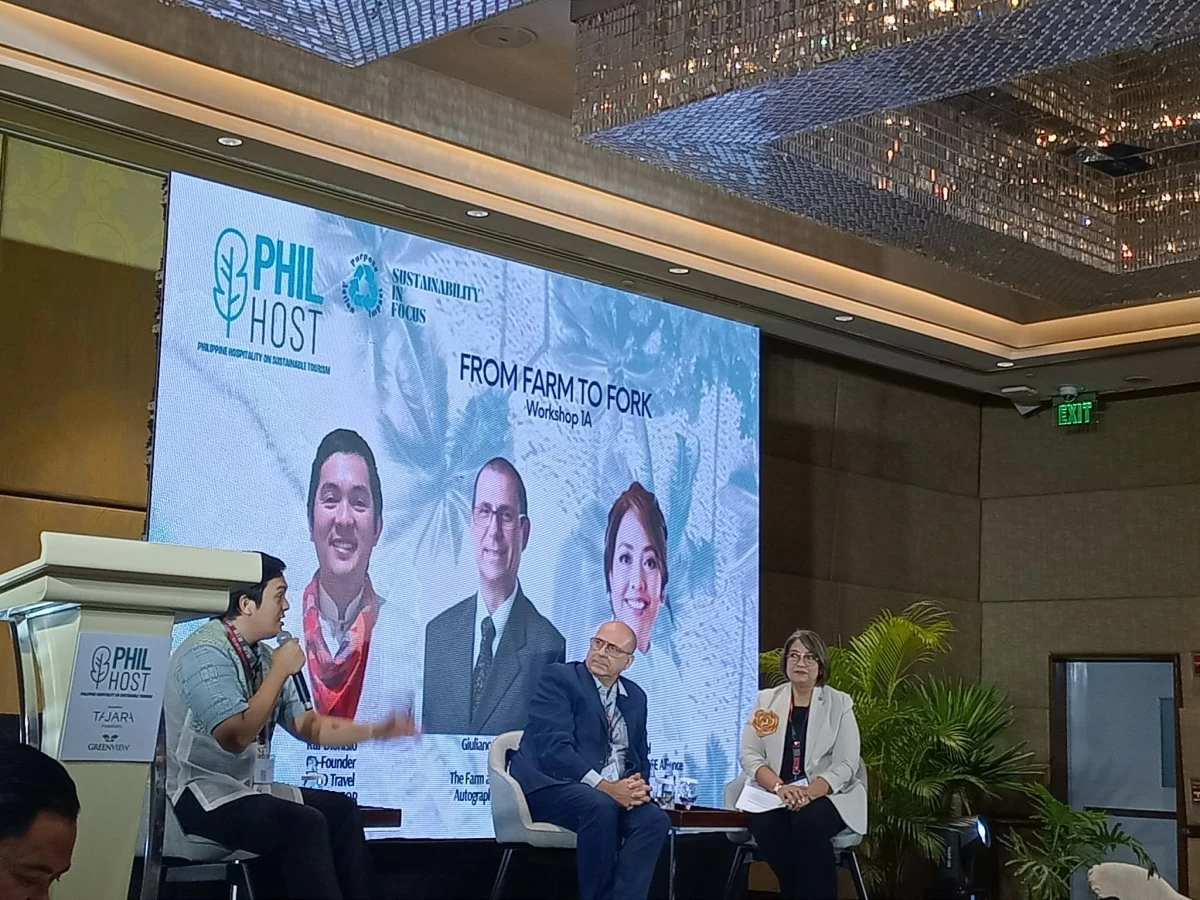
Workshop 1A “From Farm to Fork” Moderated by Raf Dionisio, Co-Founder of MAD Travel, the session features discussion leaders Giuliano Calleja, general manager of The Farm at San Benito, Autograph Collection, and Maia Israel, president of Boracay MICE Alliance and area general manager of Boracay Newcoast. (Photo by Sean Fernando)
The morning workshops covered local sourcing, partnerships with farmers, technology for sustainability, modular design, green teams, responsible hotel development, and sustainability practices in hospitality operations.
The afternoon plenary focused on the role of tourism in sustainable development. Speakers discussed how sustainability initiatives can contribute to the long-term resilience of tourism destinations and local communities.
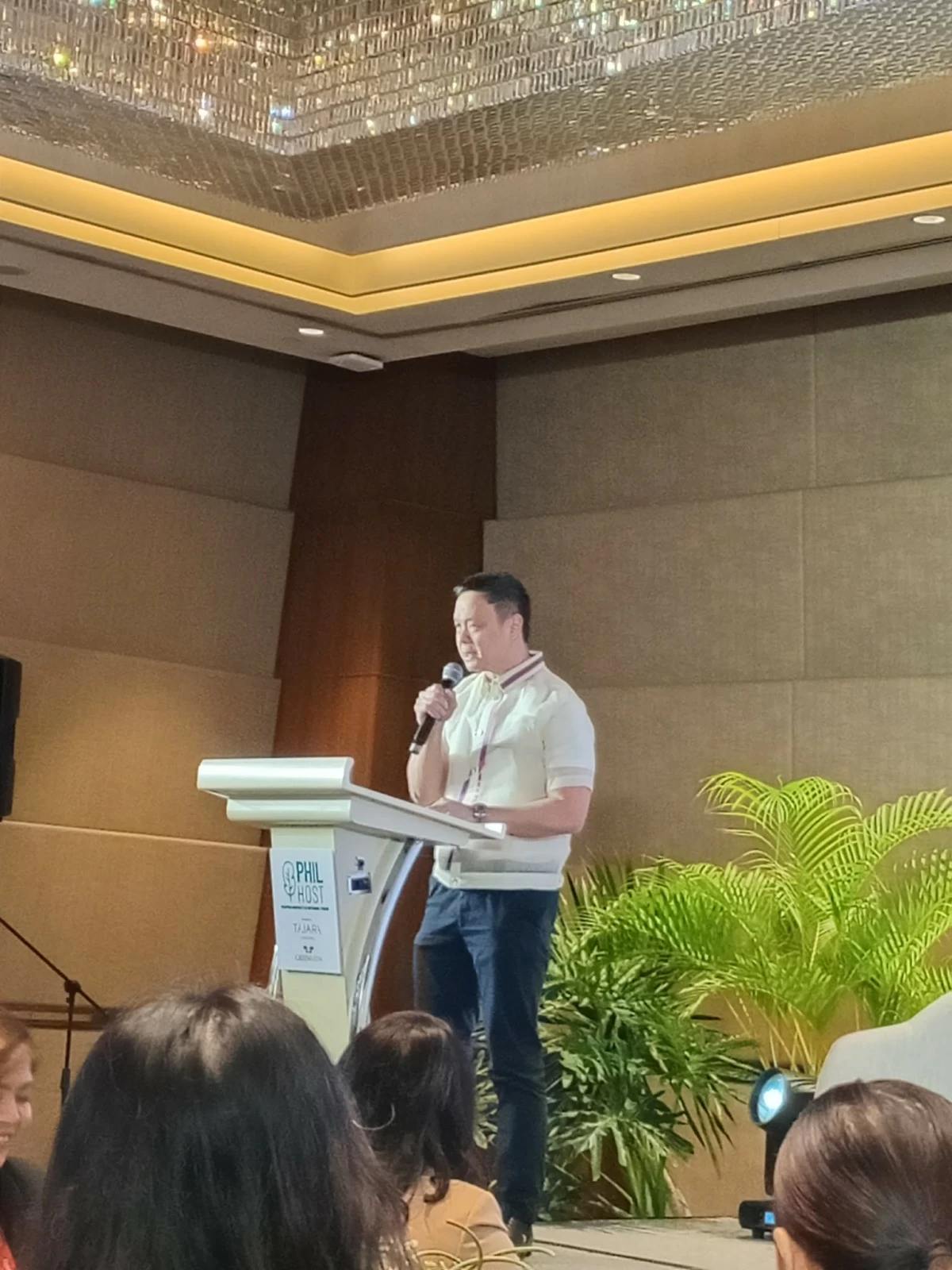
Undersecretary Capt. Stanley K. Ng makes his keynote speech at PHILHOST 2026 (Photo by Sean Fernando)
Department of Tourism Undersecretary Capt. Stanley K. Ng said tourism remains one of the country’s major economic sectors and emphasized the need to balance industry growth with responsible resource management.
"Today, we come together with a shared responsibility and purpose to build the future of the tourism and hospitality industry that is resilient, inclusive, and, of course, sustainable," Ng said.
Ng said domestic tourism expenditures reached ₱3.96 trillion in 2025, including ₱3.26 trillion from domestic travel, while the sector supported nearly eight million jobs nationwide.
He also cited initiatives such as the ASEAN Green Hotel Standards and the Department of Tourism’s Filipino Brand of Service Excellence program, which encourage environmentally responsible operations and improved service standards.
"In tourism, sustainability also means running our industry in ways that will benefit our people and environment for generations to come," he said.
Other speakers discussed sustainable spaces, circular economy practices, youth participation, and investments in living infrastructure. They also cited the importance of resilient supply chains, responsible investments, local partnerships, and inclusive economic growth in supporting tourism development.
The discussions highlighted sustainability as a continuing consideration in tourism planning and hospitality operations, alongside efforts to protect the natural and cultural resources that support tourism destinations.