







Koronadal City trades rice for waste to encourage recycling
Published Jul 29, 2026 02:41 pm


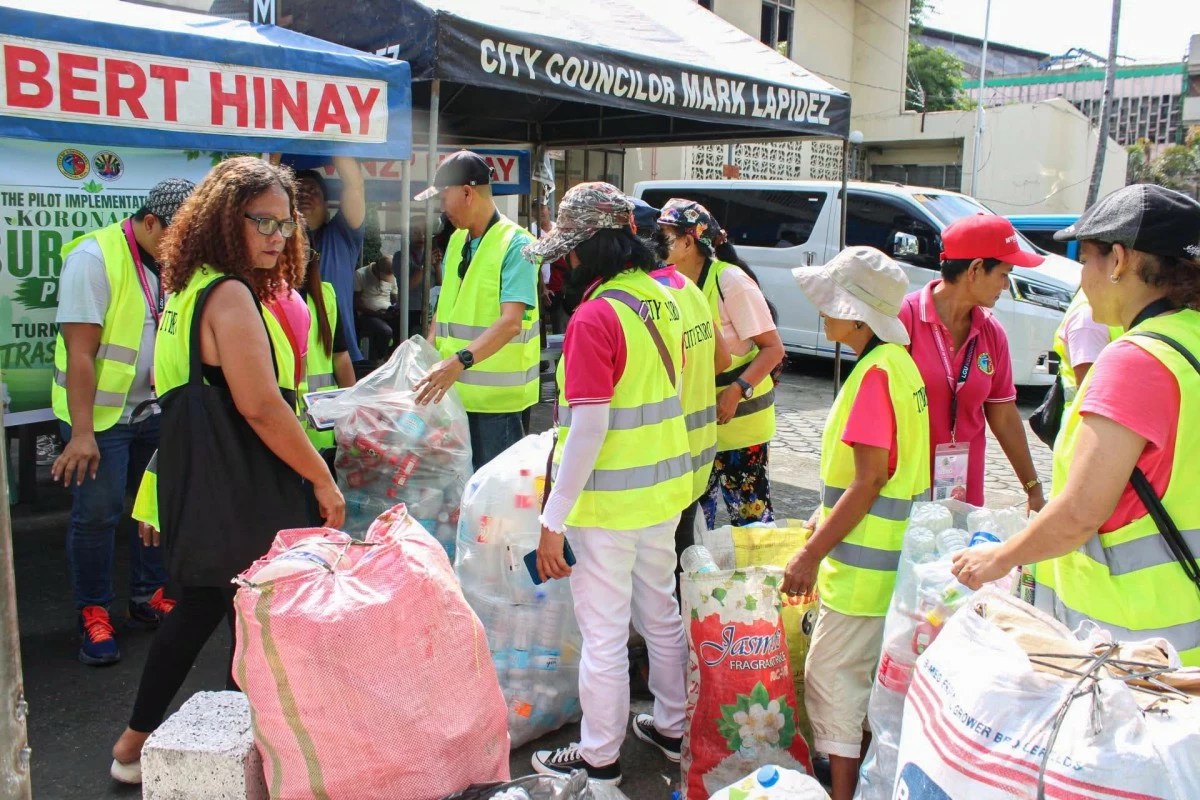
THE Koronadal City government launched the 'Basura Barter Program' o promote waste segregation and environmental sustainability. (City Government of Koronadal FB)
COTABATO CITY – There is rice in waste.
This is what the Koronadal City government is proving as it launched the “Basura Barter Program” (BBP), a local initiative that aims to promote waste segregation and environmental sustainability.
On Wednesday, Agustus Bretaña, the city environment and natural resources officer, said the program is part of the local government's efforts to reduce waste generation while encouraging residents to recycle.
Bretaña explained that under the program, residents may bring clean and dry recyclable materials in exchange for rice.
“Items to barter for rice include flexible packaging such as shampoo, soap, food, detergent, and refill sachets, as well as tetra packs and other similar containers,” he said in a radio interview.
Bretaña said residents may bring in five kilos of flexible plastic waste in exchange for half a kilo of rice. Also, five kilos of plastic water bottles can be traded for a kilo of rice.
He added that plastic water, soft drinks, and juice bottles are also accepted.
“The city environment office prefers flexible plastics, as they can be processed into new products or sold to approved recycling firms,” Bretaña said.
Recovered flexible plastic waste will be sorted and processed into plastic lumber and other recycled products as part of the city's waste-recovery efforts.
“Most of these wastes, especially bottles, are recyclable, and these will be turned over to accredited third-party recyclers for proper processing and recycling,” Bretaña said.
Bretaña explained that the initiative hopes to lessen the volume of garbage sent to local disposal facilities and landfills.
He urged households to practice responsible waste segregation and resource recovery.
Koronadal City Mayor Erlinda Araquil is also hoping this “turn trash into rice” program will raise public awareness on the value of recyclable materials and their contribution to environmental protection.
She, however, stated that residual waste, biodegradable waste, hazardous waste, medical waste, used diapers, and contaminated containers are strictly prohibited and will not be accepted.
Elena Sunio, a city resident, said the program is a huge help for people like her who have no fixed income but still have enough garbage to dispose of at home.
“Trash can be converted to rice; this is a huge help for poor people like us,” Sunio said in Filipino.
Pedro Segurit, a tricycle driver, said he was also encouraged by the program.
“I dispose of plastic materials almost weekly; now I know we can convert them into food,” he said. (PNA)