






Manila Bulletin
 Lifestyle
Health and Wellness
Inside the future of healthcare: The innovations we discovered at IHW 2026 in Bangkok
Lifestyle
Health and Wellness
Inside the future of healthcare: The innovations we discovered at IHW 2026 in Bangkok
Lifestyle
Health and Wellness
Inside the future of healthcare: The innovations we discovered at IHW 2026 in Bangkok
Inside the future of healthcare: The innovations we discovered at IHW 2026 in Bangkok
From medical tourism and modern self-testing kits to AI-assisted healthcare
By John Legaspi
Published Jul 29, 2026 09:10 am


Before, healthcare was a term mostly used in conversations within hospitals and clinics. It was something people turned to only when illness struck. Today, that narrative has changed. Healthcare is now discussed far beyond medical institutions. It influences how we work, eat, travel, and age, reflecting a growing shift toward prevention rather than cure.
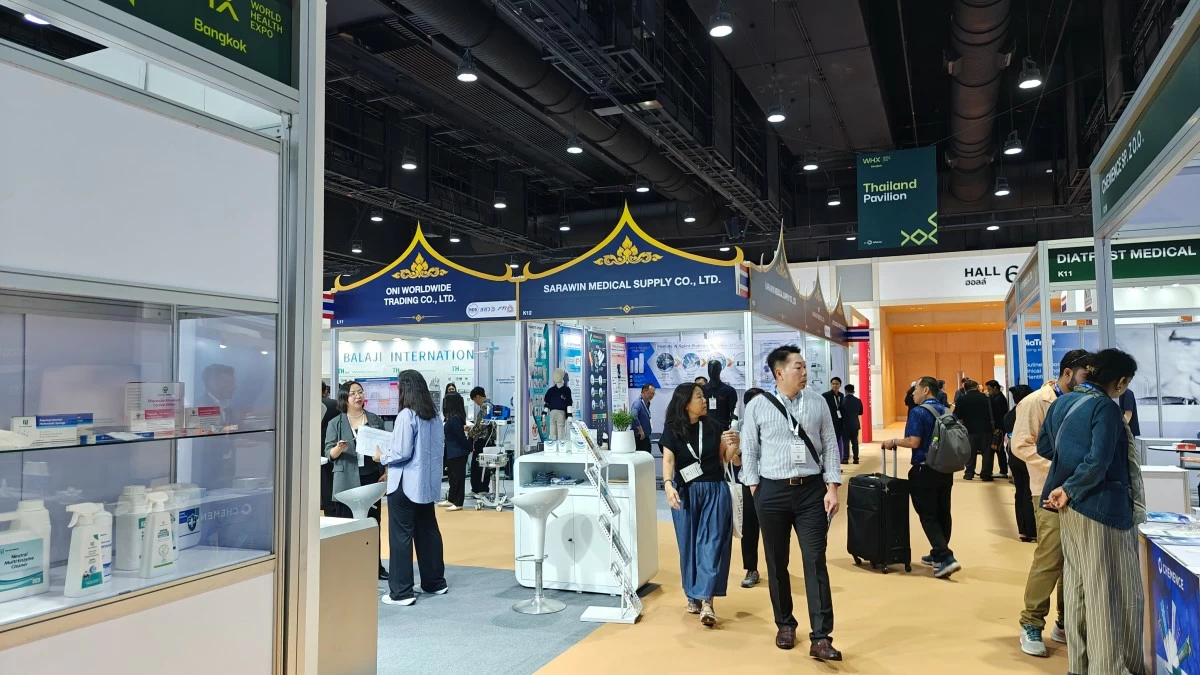
IHW 2026 featured many pavilions from different countries across the globe. (Photo: John Legaspi/Manila Bulletin)
As innovation and modern technologies continue to emerge, healthcare is shedding its one-size-fits-all approach and becoming increasingly personalized. This shift has led not only to more effective ways of caring for our bodies but also to a greater focus on achieving overall well-being and improving quality of life.
This evolution was evident at the recently concluded International Healthcare Week (IHW) 2026, held at the Queen Sirikit National Convention Center in Bangkok, Thailand. From July 8 to 10, more than 1,200 companies, experts, and industry leaders gathered to showcase the latest innovations and emerging trends in healthcare. IHW 2026 proved to be one of the largest events of its kind in the region, bringing together four international exhibitions under one roof: CPHI South East Asia (pharmaceutical manufacturing and supplies), World Health Expo Bangkok (hospital services and laboratory equipment), Medtec Southeast Asia (medical devices), and the Thailand Medical and Wellness Expo 2026 (highlighting the country's strengths in wellness and beauty).
“Healthcare has traditionally been viewed as a public service, but today, it is much more than that. It has become one of the foundations of economic resilience, technological advancement, and national security,” Prime Minister Anutin Charnvirakul said in his speech. “Recent years have reminded us that every country needs not only good hospitals and skilled doctors, but also the capability to develop medical technology, strengthen supply chains, and respond quickly to new challenges. That is why healthcare is no longer just about treating illness, but preparing nations for the future.”
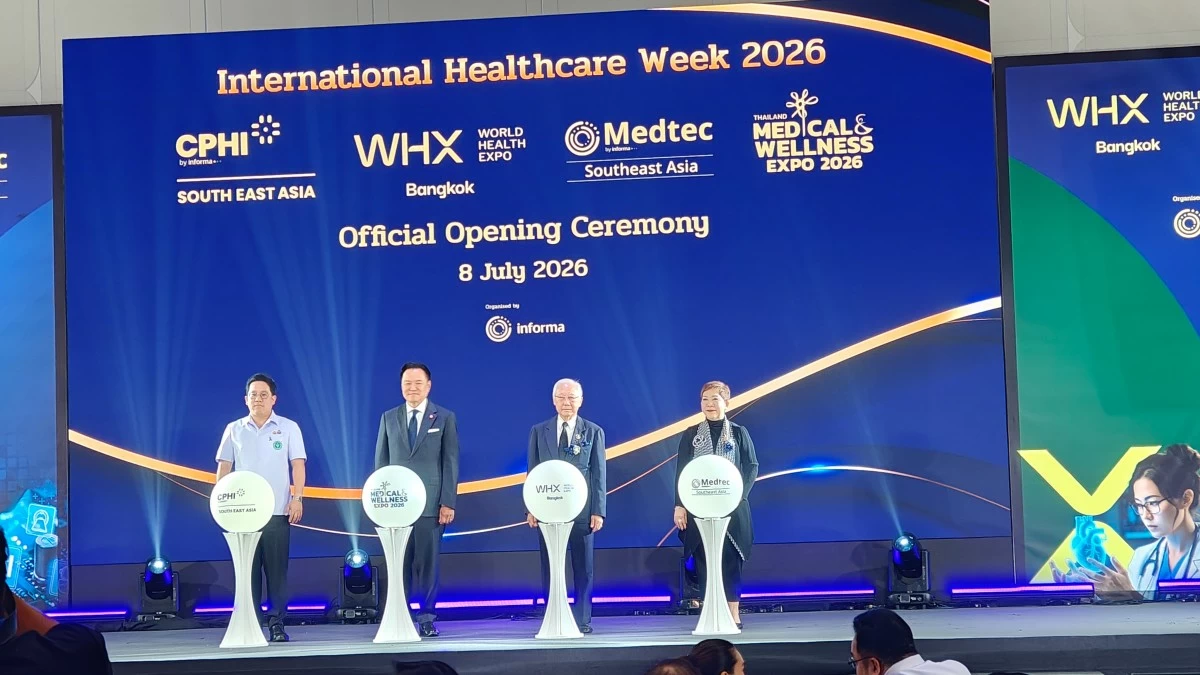
Thailand's Minister of Public Health Pattana Promphat, Prime Minister Anutin Charnvirakul, Informa Markets Thailand Manu Leopairote, and Thailand Convention and Exhibition Bureau president Supawan Teerarat (Photo: John Legaspi/Manila Bulletin)
During a trip hosted by IHW 2026 organizer Informa Markets, Manila Bulletin Lifestyle explored many of the convention's exhibitions, as well as some of Thailand's leading medical institutions. Our journey revealed how the future of healthcare is no longer confined to hospitals and laboratories but is increasingly shaped by technology, collaboration, and a growing emphasis on preventive and personalized care.
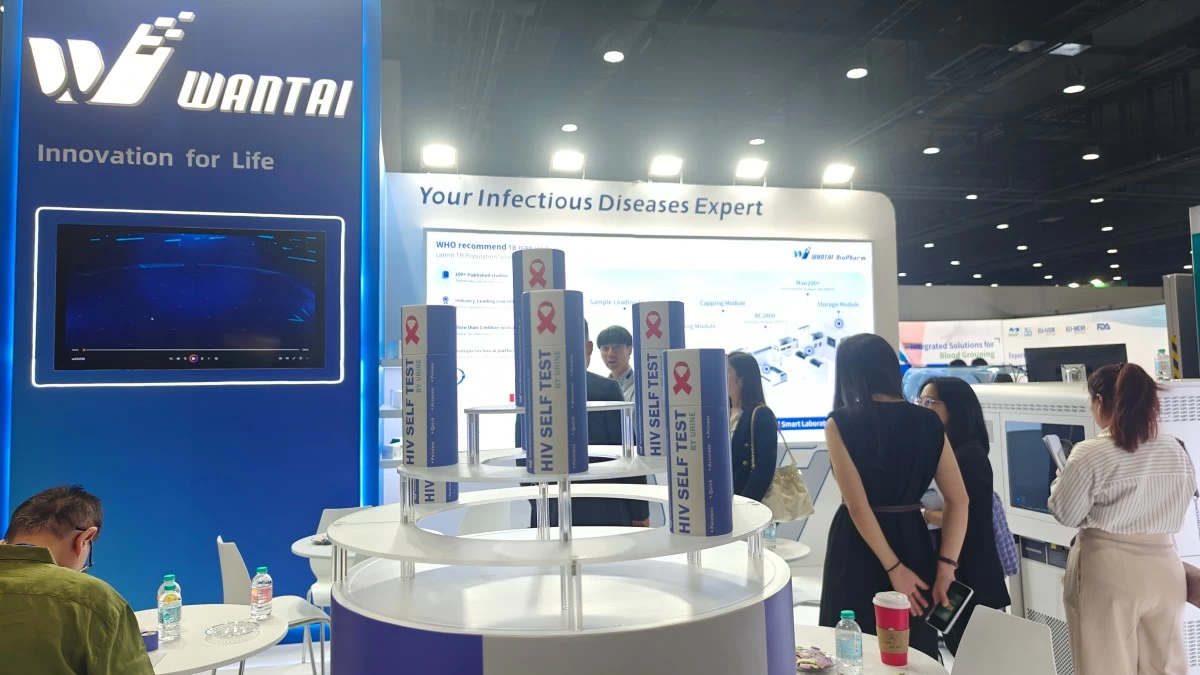
Modern HIV self-test kits (Photo: John Legaspi/Manila Bulletin)
Personal kits and devices
With more than 1,000 booths, IHW 2026 was vast and, at times, overwhelming. Yet amid the countless innovations, one recurring theme stood out: healthcare is becoming increasingly personal and accessible. A prime example is the rise of home testing kits. While many became familiar with self-testing during the pandemic, companies have since expanded the concept to include home tests for HIV, ovulation, and iron deficiency. Although the technology itself is not entirely new, today's kits offer greater convenience and accuracy when used correctly, reducing the need for routine clinic visits.
One of the products that caught our attention was L112 EXTRA, a weight management aid that reflects the growing focus on long-term weight maintenance. As more people look beyond weight loss toward sustaining healthier lifestyles, products like these are finding a place in the broader conversation around personalized care.
AI-assisted healthcare
Beyond the halls of IHW 2026, our journey also took us to some of Bangkok's leading medical institutions, including Praram 9 Hospital. Recognized as one of Thailand's premier private tertiary-care hospitals, it has built a reputation for its expertise in complex and multidisciplinary care, offering specialized services in kidney disease, cardiovascular medicine, neurosurgery, and preventive healthcare.
The visit offered a closer look at how the hospital is integrating artificial intelligence (AI) into everyday patient care. Rather than replacing doctors, AI serves as a tool to make healthcare more efficient, precise, and personalized. From AI-assisted screening and smart hospital systems to digital patient services and remote monitoring, Praram 9 Hospital is leveraging technology to enhance the patient experience while empowering clinicians to deliver more informed and individualized care.
“AI is a big game-changer in healthcare, not only in hospital information systems but also in clinics. It helps doctors make better decisions, especially in diagnostics,” Dr. Korpong Rookkapan, the hospital’s deputy managing director for Quality and Operations, told Manila Bulletin Lifestyle. “On the backend, it allows us to work more efficiently, while its analytical capabilities support faster decision-making and more accurate forecasting.”
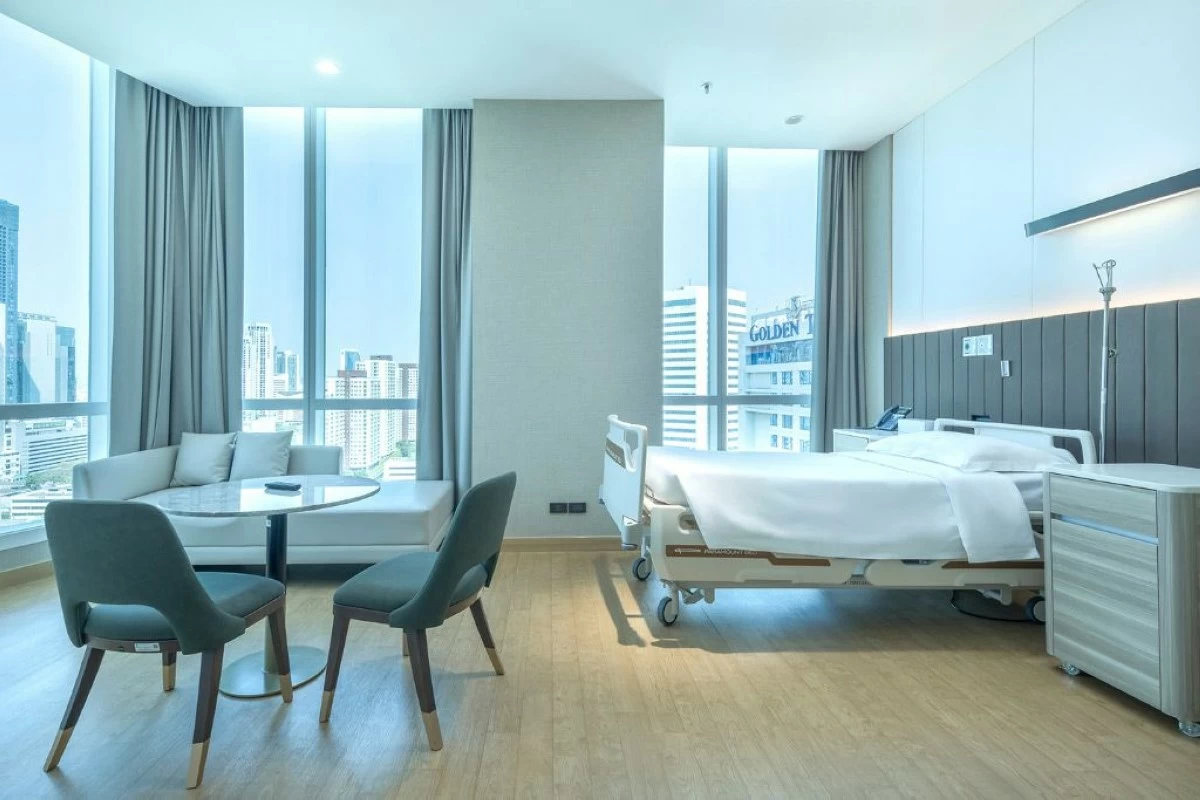
Praram 9 Hospital demonstrates the country's take on medical tourism with its world-class facilities and integrated care for international patients. (Photo: Praram 9 Hospital)
A spotlight on medical tourism
Thailand has long been one of Asia's leading destinations for medical tourism, attracting millions of international patients each year with its world-class hospitals, highly trained specialists, and comparatively affordable healthcare. But beyond the country's reputation for cosmetic procedures and wellness retreats lies a healthcare system that continues to invest in innovation, research, and patient-centered care.
As healthcare continues to evolve, so does the definition of wellness. What was once centered on curing disease has expanded into a broader pursuit of living healthier, longer, and better. Whether through AI-assisted hospitals, at-home health monitoring, personalized weight management, or preventive medicine, the innovations showcased at IHW 2026 point to a future where healthcare becomes increasingly proactive rather than reactive.