






Manila Bulletin
 Philippines
National
'Hindi unli ang pera': De Lima opens presentation of confidential funds misuse claim vs VP Duterte
Philippines
National
'Hindi unli ang pera': De Lima opens presentation of confidential funds misuse claim vs VP Duterte
Philippines
National
'Hindi unli ang pera': De Lima opens presentation of confidential funds misuse claim vs VP Duterte
'Hindi unli ang pera': De Lima opens presentation of confidential funds misuse claim vs VP Duterte
Published Jul 29, 2026 01:48 pm


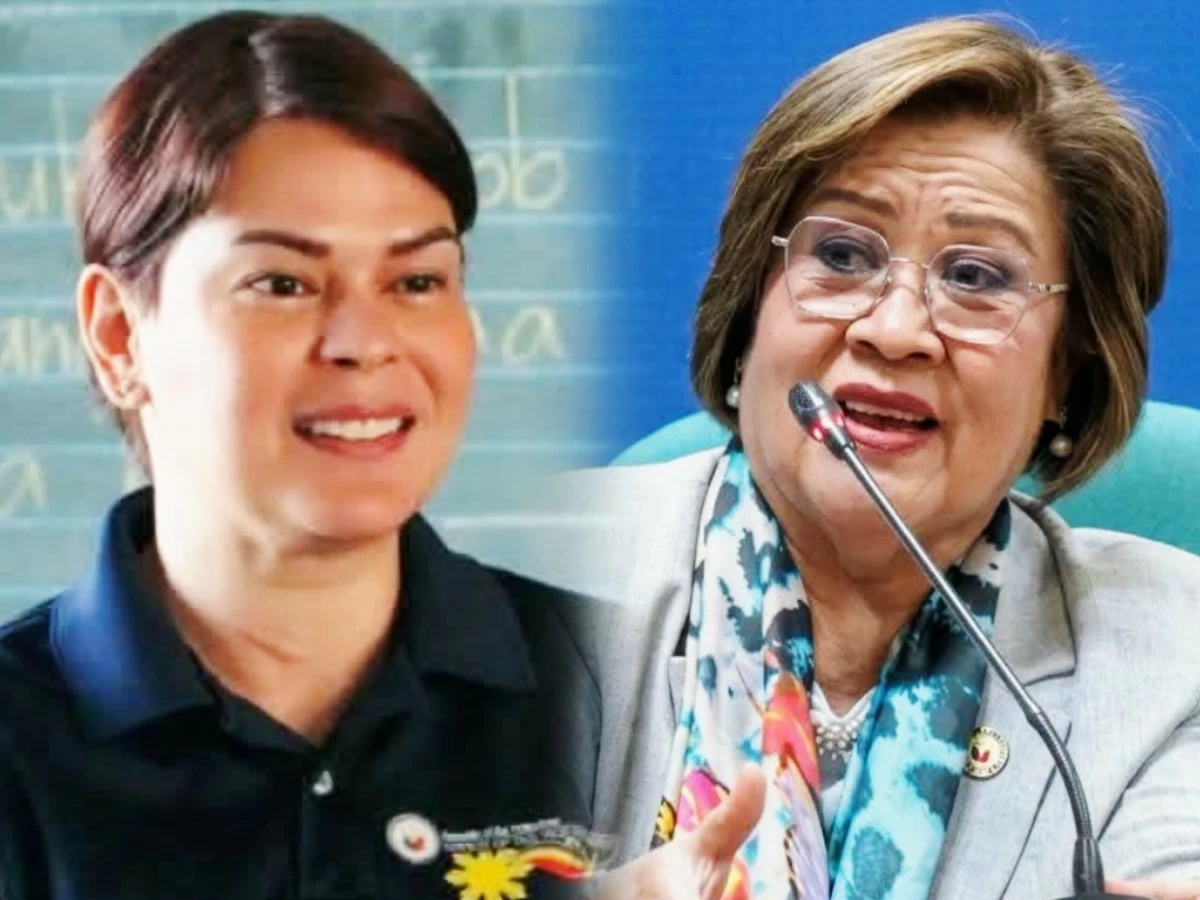
Vice President Sara Duterte (left), Mamamayang Liberal (ML) Party-list Rep. Leila de Lima (Facebook)
Stressing that government funds aren't "unlimited", House prosecutor Mamamayang Liberal (ML) Party-list Rep. Leila de Lima highlighted the need to scrutinize impeachment trial respondent Vice President Sara Duterte's handling of the P612.5-million confidential funds entrusted to her offices.
This, as De Lima opened on Wednesday, July 29 the prosecution's presentation of evidence and witnesses for article I covering alleged misuse of confidential funds from the articles of impeachment.
The P612.5 million was released through the Office of the Vice President (OVP) and the Department of Education (DepEd). Duterte was DepEd secretary from 2022 to 2024.
“That the budget is intended for confidential operations does not mean that the conduct of officials involved in the handling of people’s money is exempted from the demands of transparency, scrutiny and accountability,” De Lima told the Senate impeachment court.
De Lima likened the matter to a Filipino family's juggling of its available budget in relation to its expenses.
“Sa ating pagba-budget para sa pamilya -- dahil hindi naman unli ang pera -- masinop ang ating paggasta. Sa talagang kailangan at kapaki-pakinabang natin nilalaan,” De Lima explained.
(In budgeting for the family—since money is not unlimited—we spend carefully. We allocate only for what is truly needed and beneficial.)
“Ganyan din dapat sa pera ng bayan (It should be the same with the people’s money),” she added.
The former senator and Department of Justice (DOJ) secretary defined confidential funds as allocations intended for sensitive and surveillance-related activities supporting the mandates of civilian agencies.
“Sa yugtong ito ng paglilitis, pag-uusapan natin ang confidential fund. Ito ang budget para sa mga sensitibo at surveillance-related activities upang suportahan ang mandato ng mga civilian agencies,” De Lima said.
(At this stage of the trial, we will discuss the confidential fund. This is the budget for sensitive and surveillance-related activities to support the mandate of civilian agencies.)
Invoking the constitutional standard governing everyone in government, De Lima insisted that the public-trust principle applies regardless of the classification attached to an appropriation.
“Public office is a public trust. Iyan ang sabi ng Konstitusyon. Sakop nito ang lahat ng nasa gobyerno. At ang utos na iyan ay hindi pwedeng balewalain dahil lang sa ‘confidential’ ang pondo,” she stressed.
(Public office is a public trust. That is what the Constitution says. It covers everyone in government. And that command cannot be disregarded just because the fund is ‘confidential'.)
De Lima says that confidentiality exists to protect legitimate operations and informants rather than shield fabricated records or the diversion of public money.
“Ang confidentiality ay para protektahan ang lehitimong operasyon at informant. Hindi ito pahintulot para mag-imbento ng pangalan at dokumento,” she said, in reference to the prosecution’s allegation that many of the OVP and DepEd confidential funds recipients were fictitious people.
(Confidentiality is meant to protect legitimate operations and informants. It is not permission to invent names and documents.)
“Hindi ito palusot para ibulsa ang pera. Kung ‘confidential’ ang pondo, lalo pa ngang mataas ang pananagutang kaakibat dito,” she maintained.
(It is not an excuse to pocket the money. If the fund is ‘confidential,’ then the responsibility attached to it is even greater.)
The prosecutor told the senator-judges that the Constitution had placed on the impeachment court the responsibility of determining whether or not Duterte committed offenses warranting removal from office.
“The Constitution entrusts this Court with the solemn duty to determine whether the respondent Vice President committed culpable violation of the Constitution, graft and corruption, and betrayal of public trust. The evidence will show that she did,” De Lima said.
The prosecution had just finished it presentation of article IV on grave threats and inciting to sedition.