ADVERTISEMENT

BSP unveils InstaPay upgrade with ₱500,000 transfer cap for businesses

Published Jul 29, 2026 12:03 pm  |  Updated Jul 29, 2026 06:04 pm
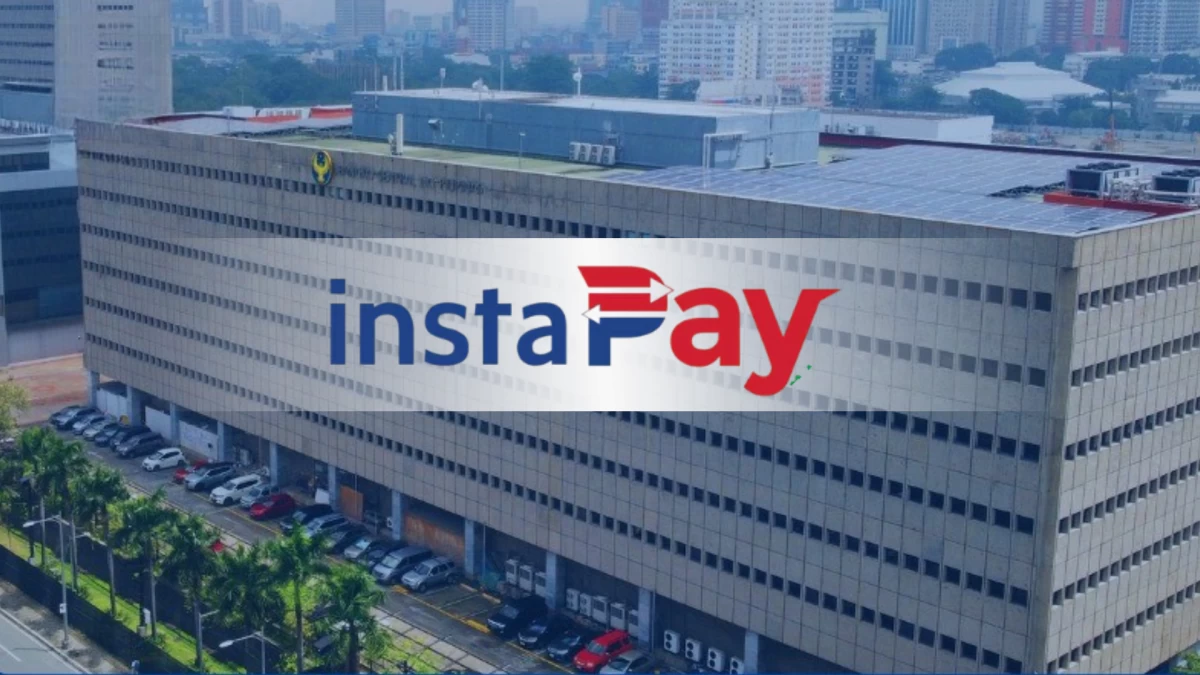
The Bangko Sentral ng Pilipinas (BSP) has increased the maximum transaction limit for InstaPay for Business tenfold—from ₱50,000 to ₱500,000—a move expected to streamline commercial transfers across the country.
The cap increase is part of a suite of new digital payment services launched on Wednesday, July 29, by the central bank and the Philippine Payments Management, Inc. (PPMI). The three initiatives—Direct Debit PH, InstaPay Cash-In, and InstaPay for Business—are designed to make electronic transactions more accessible and seamless for consumers and enterprises alike.
Direct Debit PH enables customers to authorize billers to automatically deduct recurring payments from their bank or e-wallet accounts on scheduled due dates. The automated solution replaces traditional, manual methods for routine bills, sparing consumers from monthly app log-ins or standing in bank queues.
Carlo B. Nazareno, interim chairman of the PESONet and Direct Debit PH Steering Committee, noted that 26 financial institutions—including BDO Unibank Inc. and Rizal Commercial Banking Corp. (RCBC)—have already onboarded for the pilot run. Regulators aim to bring all 120-plus PESONet member banks onto the platform by the end of 2028.
Addressing security concerns, Nazareno explained that Direct Debit PH operates on an authorization-based mandate system. Payers retain full control, with the ability to modify or cancel permissions through their bank at any time.
“First and foremost, it is secure because the control of the payment actually resides with the payer,” Nazareno said during a press briefing.
To further protect consumers, the system lets account holders set a maximum limit on a mandate. If a biller attempts to debit an amount higher than authorized, the transaction is automatically blocked by the clearing house.
Looking ahead, BSP Deputy Governor Mamerto E. Tangonan said the central bank is working to link InstaPay with international payment networks to reduce friction in cross-border transfers.
“We are working to interconnect InstaPay with the instant payment systems of other countries so that cross-border payments will be seamless and efficient,” Tangonan said. “A cross-border direct-debit system is not yet available, but if there is demand, we will come up with ways to make it happen.”
Meanwhile, InstaPay Cash-In allows users to request funds from another individual, who can then fulfill the request directly through their bank or e-wallet account.
Despite the higher limit introduced for business accounts, regulators clarified that personal transfer ceilings remain unchanged. InstaPay Steering Committee Chairman Manuel C. Tagaza confirmed that the ₱50,000 cap for standard person-to-person (P2P) transfers still stands.
As the official payment system management body, PPMI oversees automated clearing houses like InstaPay and PESONet, leading the country’s transition toward a cash-lite economy. Both rails were established under the BSP’s National Retail Payment System framework. While PESONet serves as a high-value electronic alternative to paper checks, InstaPay facilitates real-time, smaller-value transfers—making it a staple for retail remittances and e-commerce.
Tangonan expressed confidence that the newly launched initiatives will help the Philippines achieve its target of having digital payments account for 70 percent of total domestic financial transactions.

Related Tags

Bangko Sentral ng Pilipinas (BSP) Instapay
ADVERTISEMENT
.most-popular .layout-ratio{ padding-bottom: 79.13%; } @media (min-width: 768px) and (max-width: 1024px) { .widget-title { font-size: 15px !important; } }

{{ articles_filter_1561_widget.title }}

.most-popular .layout-ratio{ padding-bottom: 79.13%; } @media (min-width: 768px) and (max-width: 1024px) { .widget-title { font-size: 15px !important; } }

{{ static_articles_1562_widget.title }}

.most-popular .layout-ratio{ padding-bottom: 79.13%; } @media (min-width: 768px) and (max-width: 1024px) { .widget-title { font-size: 15px !important; } }

{{ articles_filter_1563_widget.title }}

{{ articles_filter_1564_widget.title }}

.mb-article-details { position: relative; } .mb-article-details .article-body-preview, .mb-article-details .article-body-summary{ font-size: 17px; line-height: 30px; font-family: "Libre Caslon Text", serif; color: #000; } .mb-article-details .article-body-preview iframe , .mb-article-details .article-body-summary iframe{ width: 100%; margin: auto; } .read-more-background { background: linear-gradient(180deg, color(display-p3 1.000 1.000 1.000 / 0) 13.75%, color(display-p3 1.000 1.000 1.000 / 0.8) 30.79%, color(display-p3 1.000 1.000 1.000) 72.5%); position: absolute; height: 200px; width: 100%; bottom: 0; display: flex; justify-content: center; align-items: center; padding: 0; } .read-more-background a{ color: #000; } .read-more-btn { padding: 17px 45px; font-family: Inter; font-weight: 700; font-size: 18px; line-height: 16px; text-align: center; vertical-align: middle; border: 1px solid black; background-color: white; } .hidden { display: none; }
function initializeAllSwipers() { // Get all hidden inputs with cms_article_id document.querySelectorAll('[id^="cms_article_id_"]').forEach(function (input) { const cmsArticleId = input.value; const articleSelector = '#article-' + cmsArticleId + ' .body_images'; const swiperElement = document.querySelector(articleSelector); if (swiperElement && !swiperElement.classList.contains('swiper-initialized')) { new Swiper(articleSelector, { loop: true, pagination: false, navigation: { nextEl: '#article-' + cmsArticleId + ' .swiper-button-next', prevEl: '#article-' + cmsArticleId + ' .swiper-button-prev', }, }); } }); } setTimeout(initializeAllSwipers, 3000); const intersectionObserver = new IntersectionObserver( (entries) => { entries.forEach((entry) => { if (entry.isIntersecting) { const newUrl = entry.target.getAttribute("data-url"); if (newUrl) { history.pushState(null, null, newUrl); let article = entry.target; // Extract metadata const author = article.querySelector('.author-section').textContent.replace('By', '').trim(); const section = article.querySelector('.section-info ').textContent.replace(' ', ' '); const title = article.querySelector('.article-title h1').textContent; // Parse URL for Chartbeat path format const parsedUrl = new URL(newUrl, window.location.origin); const cleanUrl = parsedUrl.host + parsedUrl.pathname; // Update Chartbeat configuration if (typeof window._sf_async_config !== 'undefined') { window._sf_async_config.path = cleanUrl; window._sf_async_config.sections = section; window._sf_async_config.authors = author; } // Track virtual page view with Chartbeat if (typeof pSUPERFLY !== 'undefined' && typeof pSUPERFLY.virtualPage === 'function') { try { pSUPERFLY.virtualPage({ path: cleanUrl, title: title, sections: section, authors: author }); } catch (error) { console.error('ping error', error); } } // Optional: Update document title if (title && title !== document.title) { document.title = title; } } } }); }, { threshold: 0.1 } ); function showArticleBody(button) { const article = button.closest("article"); const summary = article.querySelector(".article-body-summary"); const body = article.querySelector(".article-body-preview"); const readMoreSection = article.querySelector(".read-more-background"); // Hide summary and read-more section summary.style.display = "none"; readMoreSection.style.display = "none"; // Show the full article body body.classList.remove("hidden"); } document.addEventListener("DOMContentLoaded", () => { let loadCount = 0; // Track how many times articles are loaded const offset = [1, 2, 3, 4, 5, 6, 7, 8, 9, 10]; // Offset values const currentUrl = window.location.pathname.substring(1); let isLoading = false; // Prevent multiple calls if (!currentUrl) { console.log("Current URL is invalid."); return; } const sentinel = document.getElementById("load-more-sentinel"); if (!sentinel) { console.log("Sentinel element not found."); return; } function isSentinelVisible() { const rect = sentinel.getBoundingClientRect(); return ( rect.top < window.innerHeight && rect.bottom >= 0 ); } function onScroll() { if (isLoading) return; if (isSentinelVisible()) { if (loadCount >= offset.length) { console.log("Maximum load attempts reached."); window.removeEventListener("scroll", onScroll); return; } isLoading = true; const currentOffset = offset[loadCount]; window.loadMoreItems().then(() => { let article = document.querySelector('#widget_1690 > div:nth-last-of-type(2) article'); intersectionObserver.observe(article) loadCount++; }).catch(error => { console.error("Error loading more items:", error); }).finally(() => { isLoading = false; }); } } window.addEventListener("scroll", onScroll); });

Sign up by email to receive news.