






Manila Bulletin
 Business
Trade & Industry
Philippine exporters warn ₱825 billion in US trade at risk over new tariffs
Business
Trade & Industry
Philippine exporters warn ₱825 billion in US trade at risk over new tariffs
Business
Trade & Industry
Philippine exporters warn ₱825 billion in US trade at risk over new tariffs
Philippine exporters warn ₱825 billion in US trade at risk over new tariffs
Published Jul 28, 2026 06:40 pm


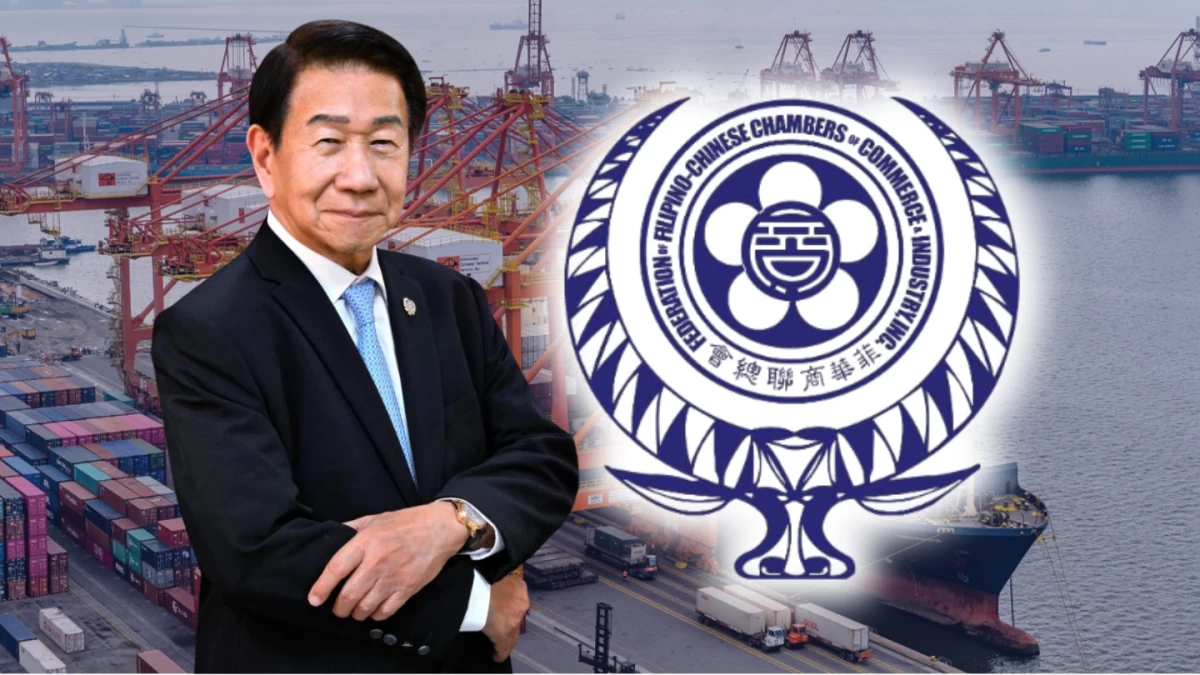
Victor Lim
A business group expressed strong opposition to a new 12.5 percent United States (US) tariff on Philippine exports, warning that the policy puts over ₱825 billion in trade at risk and threatens the livelihoods of hundreds of thousands of workers.
In a statement, the Federation of Filipino Chinese Chambers of Commerce and Industry Inc. (FFCCCII) said the tariff rate unfairly penalizes the nation by placing it among the highest-taxed exporters in Southeast Asia alongside Singapore and Vietnam.
By contrast, regional peers such as Malaysia and Indonesia face a lower 10 percent duty, creating a severe commercial disadvantage for Philippine exporters competing in the American market.
“This disparity is difficult to reconcile with the enduring friendship between our two nations,” Victor Lim, president of the federation, said.
Lim noted that the Philippines and the US have maintained a treaty alliance and close diplomatic ties for more than a century.
Imposing elevated duties across broad export categories over issues affecting only a tiny fraction of bilateral commerce is neither proportionate nor consistent with the spirit of the alliance, he added.
The commercial impact directly jeopardizes roughly ₱825 billion worth of annual Philippine goods exported to the US, a trade channel that supports hundreds of thousands of manufacturing, processing, and agricultural jobs across the country.
The business group warned that the levies would also squeeze American businesses and consumers through higher imported goods costs, while destabilizing cross-Pacific supply chain networks that both economies rely upon.
Drawing parallels to historical economic policy errors, Lim pointed to the Smoot-Hawley Tariff Act of 1930, which exacerbated the Great Depression by triggering global trade retaliation and choking international commerce.
Economists continue to caution that modern trade protectionism drives up consumer inflation, deters capital investment, and slows gross domestic product growth. True prosperity, the federation argued, depends on lowering trade barriers, enhancing national competitiveness, and strengthening international commercial cooperation.
The federation respectfully urged the US government to review the newly implemented duties and enter into constructive bilateral negotiations with Manila.
Lim asked Washington to acknowledge the Philippines’ good faith efforts, ongoing domestic economic reforms, and historic alliance. The organization reiterated that lasting security and diplomatic partnerships are built on bridges of commerce and mutual growth rather than trade walls that restrict economic progress.
Despite the immediate friction, the federation expressed optimism that bilateral diplomatic and commercial discussions will resolve the tariff dispute.
The organization affirmed its readiness to collaborate with US counterparts to promote an open, fair global trading framework founded on market principles and shared economic advancement.