

ADVERTISEMENT

PH Navy probes death of officer candidate while on routine run

Published Jul 28, 2026 02:43 pm

At A Glance

  • The Philippine Navy is investigating the death of Officer Candidate Aldwayne B. Dulnuan, who collapsed after completing a routine five-kilometer training run at the Naval Education, Training and Doctrine Command in Zambales.
  • The Navy said Dulnuan was initially treated for a suspected heat-related illness before he died on July 22. Medical findings later identified the cause of death as a severe infection affecting the central nervous system with a compromised respiratory system.
  • The Navy said there is no indication of foul play so far. It also reaffirmed its zero-tolerance policy against maltreatment and said it continues to support the officer candidate's family while the investigation is ongoing.
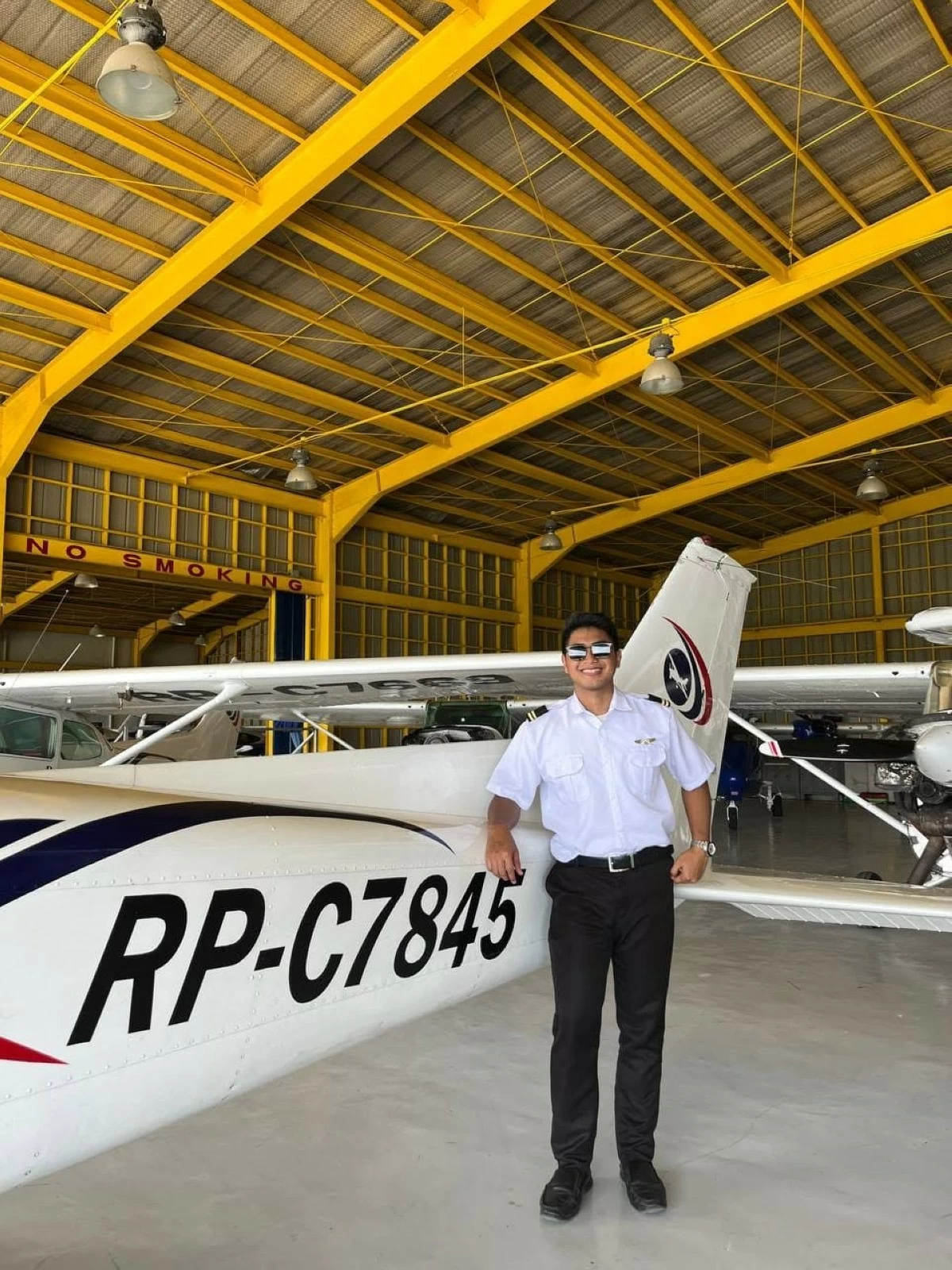
DULNUAN (FB)
DULNUAN (FB)
Philippine Navy (PN) launched on Tuesday, July 28, an investigation into the death of an officer candidate who suffered a medical emergency after completing a training run at the Naval Education, Training and Doctrine Command (NETDC) in San Antonio, Zambales.
The PN identified the trainee as Officer Candidate Aldwayne B. Dulnuan, a member of Naval Officer Candidate Course Class 47.
PN spokesperson Capt. Marissa Martinez said the Navy is still establishing the circumstances surrounding the incident.
“We regret to confirm that a male student undergoing officer training at the Naval Education, Training and Doctrine Command has passed away. We extend our deepest condolences to his family and loved ones during this difficult time,” Martinez said.
“The Philippine Navy is currently looking into the matter to establish the facts and circumstances surrounding the incident. At this time, it would be premature to comment further while the investigation is ongoing,” she added.
According to PN, Dulnuan completed a scheduled five-kilometer run at Naval Station Leovigildo Gantioqui on the morning of July 21. Shortly after the exercise, he experienced dizziness and severe chills before collapsing.
Navy medical personnel immediately responded and administered first aid at the station's medical dispensary.
An initial assessment pointed to possible cardiac arrhythmia, heat exhaustion, and electrolyte imbalance. He was then transferred to San Marcelino District Hospital in Zambales for further evaluation.
Doctors at the hospital recommended his admission to the intensive care unit after initially diagnosing him with heat stroke. He was later transferred to Ulticare Medical Center Inc. in Olongapo City for specialized treatment. His family was immediately informed and arrived at the hospital later that day.
Despite continuous medical treatment, Dulnuan died at 12:53 p.m. on July 22.
The Navy said the medical cause of death was determined to be “a severe infection affecting the central nervous system, with a compromised respiratory system.”
Martinez said the NETDC has begun administrative and investigative proceedings while coordinating with medical authorities to determine the complete circumstances surrounding the incident.
“The investigation is ongoing, and based on the information available at this stage, there is no indication of foul play,” she said.
The NETDC said it has remained in contact with Dulnuan's family and continues to provide assistance following his death.
It also stressed that its policies against misconduct remain in force as the investigation proceeds.
“The Command maintains a strict zero-tolerance policy against maltreatment, abuse, bullying, sexual harassment, and all other forms of misconduct. Any violation of this policy will be addressed in accordance with applicable laws, regulations, and institutional procedures,” Martinez noted.
She added that the NETDC “remains committed to safeguarding the welfare of its students by ensuring that established safety measures and training protocols are consistently implemented and observed.”
The NETDC is responsible for the education and professional training of future Navy and Marine Corps officers and enlisted personnel. Its officer candidate program prepares civilian graduates for commissioned service in the PN.
It has been the third case of a possible heat-related incident in the military that led to the death of its trainees.
On May 27, two Philippine Army recruits also died of severe complications due to heat stroke during training by the Army’s Training Command (TRACOM) at the School for Candidate Soldier in Camp O'Donnell, Capas, Tarlac.

Related Tags

Philippine Navy heat stroke training Zambales officer candidate Aldwayne Dulnuan
ADVERTISEMENT
.most-popular .layout-ratio{ padding-bottom: 79.13%; } @media (min-width: 768px) and (max-width: 1024px) { .widget-title { font-size: 15px !important; } }

{{ articles_filter_1561_widget.title }}

.most-popular .layout-ratio{ padding-bottom: 79.13%; } @media (min-width: 768px) and (max-width: 1024px) { .widget-title { font-size: 15px !important; } }

{{ static_articles_1562_widget.title }}

.most-popular .layout-ratio{ padding-bottom: 79.13%; } @media (min-width: 768px) and (max-width: 1024px) { .widget-title { font-size: 15px !important; } }

{{ articles_filter_1563_widget.title }}

{{ articles_filter_1564_widget.title }}

.mb-article-details { position: relative; } .mb-article-details .article-body-preview, .mb-article-details .article-body-summary{ font-size: 17px; line-height: 30px; font-family: "Libre Caslon Text", serif; color: #000; } .mb-article-details .article-body-preview iframe , .mb-article-details .article-body-summary iframe{ width: 100%; margin: auto; } .read-more-background { background: linear-gradient(180deg, color(display-p3 1.000 1.000 1.000 / 0) 13.75%, color(display-p3 1.000 1.000 1.000 / 0.8) 30.79%, color(display-p3 1.000 1.000 1.000) 72.5%); position: absolute; height: 200px; width: 100%; bottom: 0; display: flex; justify-content: center; align-items: center; padding: 0; } .read-more-background a{ color: #000; } .read-more-btn { padding: 17px 45px; font-family: Inter; font-weight: 700; font-size: 18px; line-height: 16px; text-align: center; vertical-align: middle; border: 1px solid black; background-color: white; } .hidden { display: none; }
function initializeAllSwipers() { // Get all hidden inputs with cms_article_id document.querySelectorAll('[id^="cms_article_id_"]').forEach(function (input) { const cmsArticleId = input.value; const articleSelector = '#article-' + cmsArticleId + ' .body_images'; const swiperElement = document.querySelector(articleSelector); if (swiperElement && !swiperElement.classList.contains('swiper-initialized')) { new Swiper(articleSelector, { loop: true, pagination: false, navigation: { nextEl: '#article-' + cmsArticleId + ' .swiper-button-next', prevEl: '#article-' + cmsArticleId + ' .swiper-button-prev', }, }); } }); } setTimeout(initializeAllSwipers, 3000); const intersectionObserver = new IntersectionObserver( (entries) => { entries.forEach((entry) => { if (entry.isIntersecting) { const newUrl = entry.target.getAttribute("data-url"); if (newUrl) { history.pushState(null, null, newUrl); let article = entry.target; // Extract metadata const author = article.querySelector('.author-section').textContent.replace('By', '').trim(); const section = article.querySelector('.section-info ').textContent.replace(' ', ' '); const title = article.querySelector('.article-title h1').textContent; // Parse URL for Chartbeat path format const parsedUrl = new URL(newUrl, window.location.origin); const cleanUrl = parsedUrl.host + parsedUrl.pathname; // Update Chartbeat configuration if (typeof window._sf_async_config !== 'undefined') { window._sf_async_config.path = cleanUrl; window._sf_async_config.sections = section; window._sf_async_config.authors = author; } // Track virtual page view with Chartbeat if (typeof pSUPERFLY !== 'undefined' && typeof pSUPERFLY.virtualPage === 'function') { try { pSUPERFLY.virtualPage({ path: cleanUrl, title: title, sections: section, authors: author }); } catch (error) { console.error('ping error', error); } } // Optional: Update document title if (title && title !== document.title) { document.title = title; } } } }); }, { threshold: 0.1 } ); function showArticleBody(button) { const article = button.closest("article"); const summary = article.querySelector(".article-body-summary"); const body = article.querySelector(".article-body-preview"); const readMoreSection = article.querySelector(".read-more-background"); // Hide summary and read-more section summary.style.display = "none"; readMoreSection.style.display = "none"; // Show the full article body body.classList.remove("hidden"); } document.addEventListener("DOMContentLoaded", () => { let loadCount = 0; // Track how many times articles are loaded const offset = [1, 2, 3, 4, 5, 6, 7, 8, 9, 10]; // Offset values const currentUrl = window.location.pathname.substring(1); let isLoading = false; // Prevent multiple calls if (!currentUrl) { console.log("Current URL is invalid."); return; } const sentinel = document.getElementById("load-more-sentinel"); if (!sentinel) { console.log("Sentinel element not found."); return; } function isSentinelVisible() { const rect = sentinel.getBoundingClientRect(); return ( rect.top < window.innerHeight && rect.bottom >= 0 ); } function onScroll() { if (isLoading) return; if (isSentinelVisible()) { if (loadCount >= offset.length) { console.log("Maximum load attempts reached."); window.removeEventListener("scroll", onScroll); return; } isLoading = true; const currentOffset = offset[loadCount]; window.loadMoreItems().then(() => { let article = document.querySelector('#widget_1690 > div:nth-last-of-type(2) article'); intersectionObserver.observe(article) loadCount++; }).catch(error => { console.error("Error loading more items:", error); }).finally(() => { isLoading = false; }); } } window.addEventListener("scroll", onScroll); });

Sign up by email to receive news.