






Manila Bulletin
 Business
Trade & Industry
DOE sets December date for delayed offshore wind power auction
Business
Trade & Industry
DOE sets December date for delayed offshore wind power auction
Business
Trade & Industry
DOE sets December date for delayed offshore wind power auction
DOE sets December date for delayed offshore wind power auction
Published Jul 28, 2026 04:40 pm


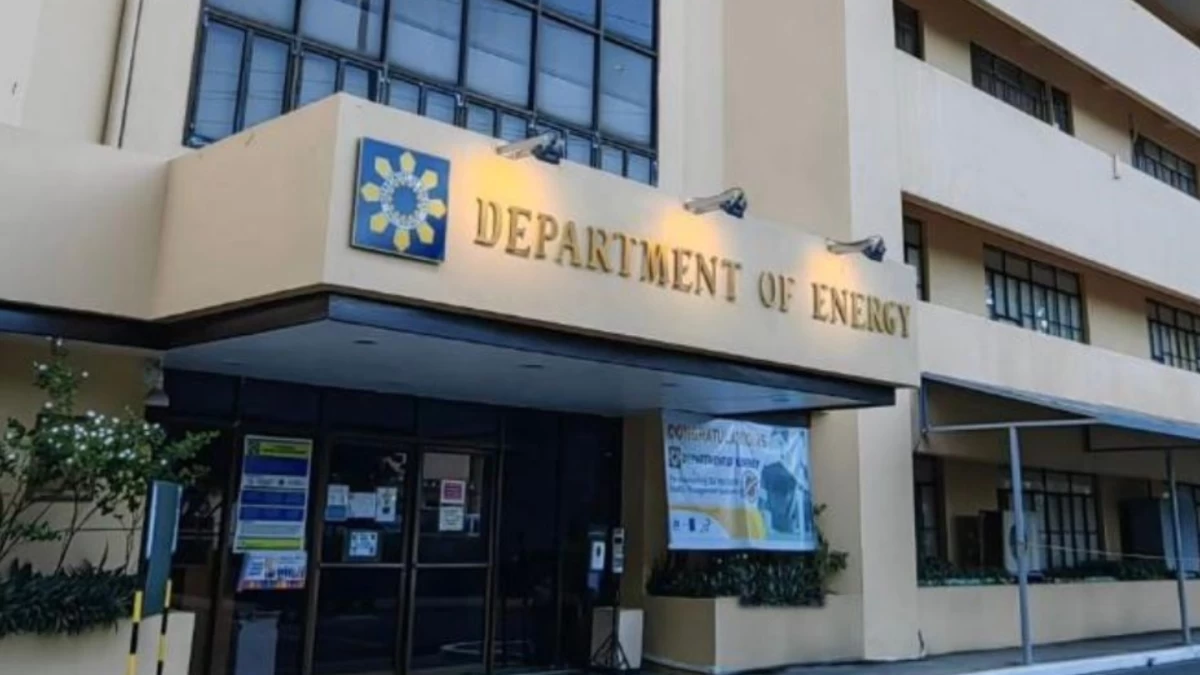
The Department of Energy (DOE) plans to begin its delayed offshore wind power tender on Dec. 1, rebooting the landmark auction meant to anchor the country’s transition toward cleaner power generation.
Energy Undersecretary Rowena Guevara said in a briefing on Tuesday, July 28, that the fifth round of the Green Energy Auction (GEA-5) will officially start late this year, with initial contract awards scheduled as early as Dec. 2.
The full awarding process for the offshore wind developments will run through June 30, 2027.
The announcement offers regulatory clarity to international and domestic energy developers after officials temporarily halted auction proceedings to iron out logistical and administrative bottlenecks.
To prepare the market and avoid further holdups, government agencies recalibrated key terms governing port infrastructure readiness, grid integration, and site tenurial rights. The DOE also addressed administrative frameworks for environmental fees, performance bonds, monitoring funds, and auxiliary onshore arrangements.
The DOE is reviewing those operational rules in coordination with the Department of Environment and Natural Resources and state-run Philippine National Oil Co. (PNOC). The agencies have set a Sept. 2 deadline to finalize the parameters.
“We are giving ourselves from July until September 2 to finish all of this,” Guevara said. “Our bidders will know how much they need to pay for the various permits that they need to get, and how they can be helped by PNOC.”
Formal authorization to resume the GEA-5 auction will be issued on Oct. 2 alongside a supplemental department circular detailing final guidelines.
The DOE official emphasized that technical evaluations for prospective bidders have already concluded, meaning that recent modifications focus strictly on state-level permitting procedures, government support mechanisms, and regulatory compliance rather than participant qualifications.
The Philippines is seeking to ramp up renewable power generation to 35 percent of its total energy mix by 2030 from roughly 22 percent. Offshore wind is viewed by policymakers as crucial to hitting those targets, given the country's extensive coastline and high oceanic wind capacity.