







Airfares to rise in August as CAB hikes fuel surcharge


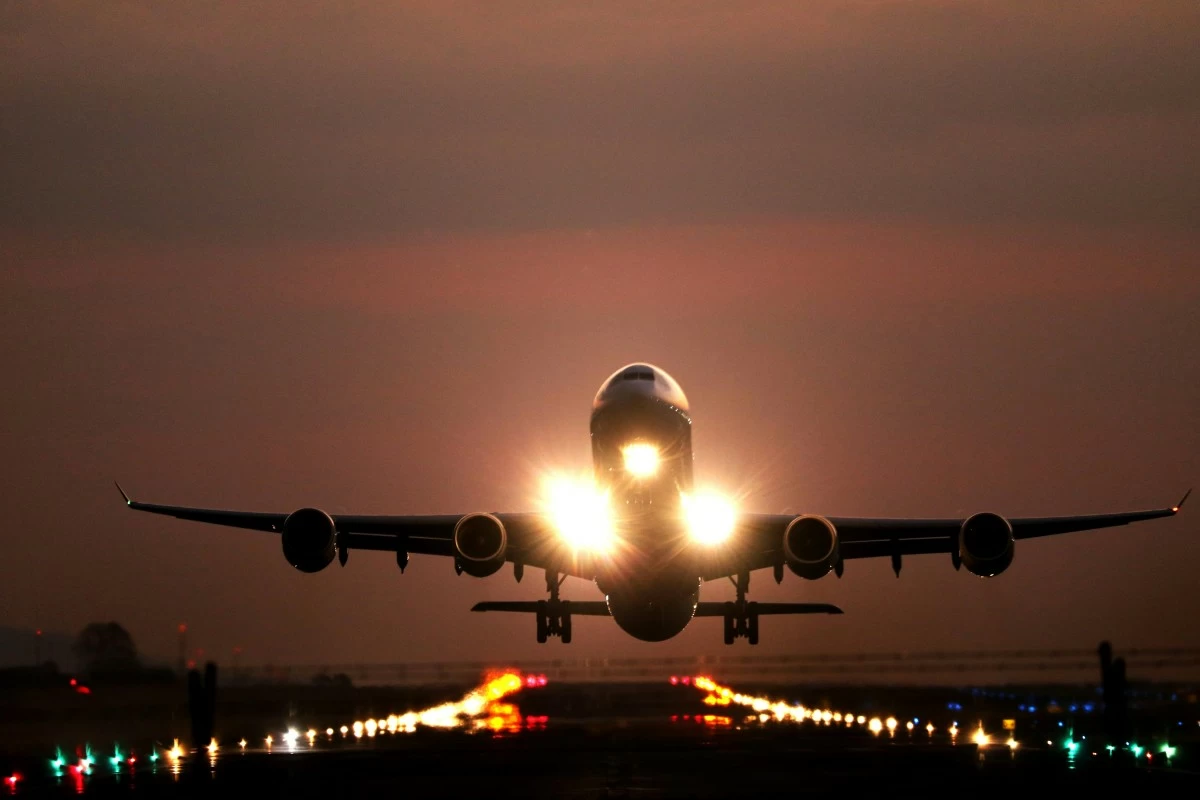
Airline passengers will have to pay higher fares for flights booked in the first half of August after the government approved the first increase in the fuel surcharge in more than three months amid rising jet fuel prices.
In a July 27 advisory, the Civil Aeronautics Board (CAB) said it is raising the fuel surcharge to Level 13 for Aug. 1 to 15, from the current Level 8.
Under Level 13, airlines may impose a surcharge of between ₱423 and ₱1,237 for domestic flights and between ₱1,396.74 and ₱10,385.42 for international flights, depending on the distance.
This is the first time CAB has approved an increase in the surcharge level since the record-high Level 19 in the second half of April, when jet fuel prices exceeded $200 per barrel.
Based on monitoring by the International Air Transport Association (IATA), the average global jet fuel price stood at around $160 per barrel as of July 24.
This marks an increase of about 34 percent from the roughly $120 per barrel recorded when CAB approved the current Level 8 fuel surcharge.
Jet fuel prices have risen anew in recent weeks due to concerns over supply disruptions as hostilities in the Middle East intensified, including the latest blockage of the crucial Strait of Hormuz.
As the regulator of aviation fees, CAB allows airlines to impose and collect fuel surcharges from passengers to help recover fuel costs and offset losses caused by spikes in jet fuel prices.
The surcharge is not part of the basic airfare and may be reduced, increased, or removed depending on jet fuel prices.
The applicable conversion rate for the current surcharge level is ₱61.65 per United States (US) dollar, according to CAB.
At present, CAB adjusts the surcharge level every 15 days to provide greater flexibility in setting rates based on prevailing jet fuel prices. Previously, the fuel surcharge was adjusted every month.
Budget carrier AirAsia said it would continue to find ways to keep travel accessible, including through promotional fares, without compromising the safety and reliability of its services.
“This is part of [the airline’s] recovery efforts to stimulate travel as demand continues to build in the second half of the year,” AirAsia said in a statement.
CAB data showed that the country’s aviation demand started the year on a high note, with a total of 17.04 million passengers in the first quarter, up 6.6 percent from 15.98 million in the same period last year.