






Manila Bulletin
 Business
Banking & Finance
Selling Pagcor casinos could fetch ₱50 billion, but leaves healthcare with billion-peso hole
Business
Banking & Finance
Selling Pagcor casinos could fetch ₱50 billion, but leaves healthcare with billion-peso hole
Business
Banking & Finance
Selling Pagcor casinos could fetch ₱50 billion, but leaves healthcare with billion-peso hole
Selling Pagcor casinos could fetch ₱50 billion, but leaves healthcare with billion-peso hole
By Derco Rosal
Published Jul 27, 2026 06:00 pm
|
Updated Jul 27, 2026 04:04 pm


At A Glance
- Selling the Philippine Amusement and Gaming Corp.'s (Pagcor) Casino Filipino could generate up to ₱50 billion in additional revenue for the government, but the proceeds would not go to the Philippine Health Insurance Corp. (PhilHealth), according to Geronimo Law.
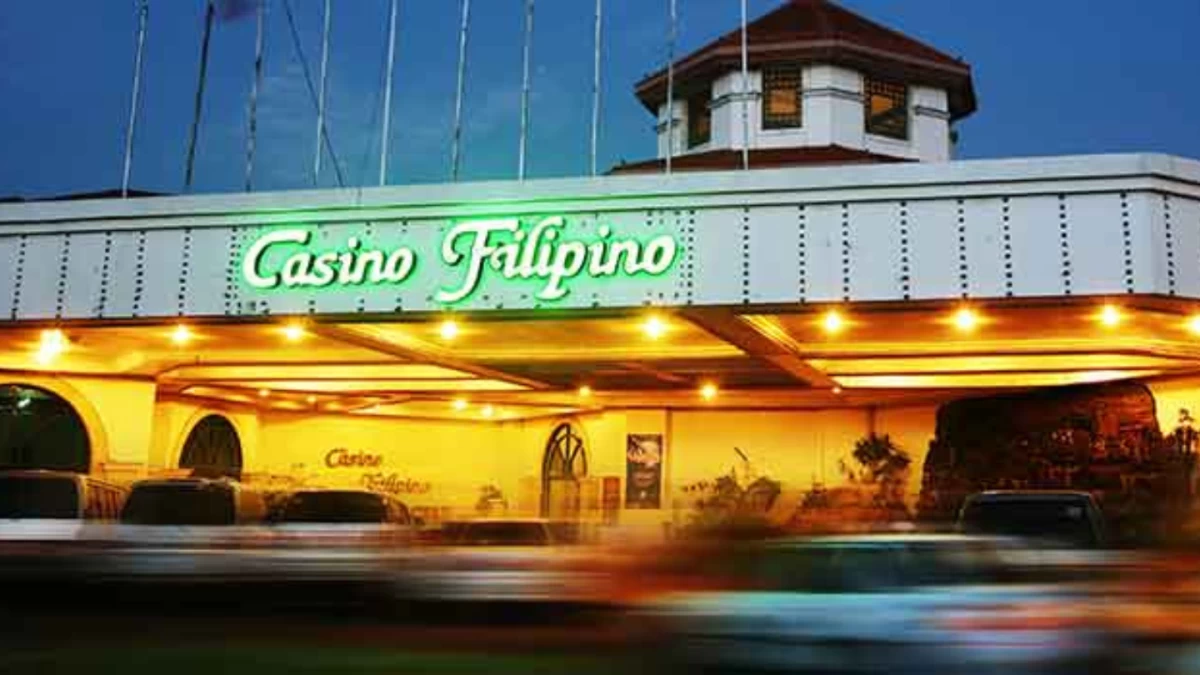
Selling the Philippine Amusement and Gaming Corp.’s (Pagcor) Casino Filipino operations could fetch up to ₱50 billion in immediate revenue for the government, but the windfall will not go to the Philippine Health Insurance Corp. (PhilHealth), according to Makati-based legal practice Geronimo Law.
Worse, the firm estimated that privatizing the state casino operator would trigger a recurring annual loss of ₱1.7 billion to ₱2.1 billion for the Universal Health Care (UHC) program.
“We estimate a recurring loss to UHC of about ₱1.7 billion to ₱2.1 billion per year post-privatization, assuming 2024 and 2025 revenue figures,” Geronimo Law wrote in a report published last week.
Under existing laws, the national government earmarks 50 percent of its share of Pagcor’s gaming revenues for the UHC program. Privatizing Casino Filipino branches means replacing direct operating income with collections from private licensee fees—a much smaller slice that significantly reduces PhilHealth’s funding stream.
Pagcor Chairman and CEO Alejandro H. Tengco previously estimated that selling the casino assets could yield ₱30 billion to ₱50 billion. However, because those proceeds count as asset sales rather than “franchise gaming earnings,” statutory rules prevent them from being earmarked for UHC. Instead, net proceeds from the sale must be remitted directly to the National Government as general dividends.
Under the current timeline, the Governance Commission for GOCCs (GCG) is expected to submit its privatization recommendation to the Office of the President in the third quarter of 2026. An Executive Order is targeted by year-end, paving the way for full privatization by 2028.
Once the sale is complete, Pagcor will act strictly as an industry regulator. But replacing lost healthcare revenue will prove difficult.
For the state to maintain its current UHC funding level through regulatory collections, private casino operators would need to deliver unprecedented top-line growth. “For UHC to be made whole through license fees alone, privatized branches would have to more than triple their gross gaming revenue,” the law firm noted.
The setback comes as PhilHealth already faces severe fiscal pressure, with roughly ₱106 billion in unremitted UHC subsidies accumulated between 2019 and 2025.
While privatizing Casino Filipino resolves the structural conflict of Pagcor acting as both operator and regulator, Geronimo Law concluded that the move carries a steep, recurring trade-off—costing the country’s health program up to ₱2.3 billion every year.