






 Philippines
Metro Manila
Police lines, protests, and bomb scares grip Metro Manila ahead of SONA
Philippines
Metro Manila
Police lines, protests, and bomb scares grip Metro Manila ahead of SONA
Police lines, protests, and bomb scares grip Metro Manila ahead of SONA
By Diann Calucin, Jean Fernando and Trixee Rosel


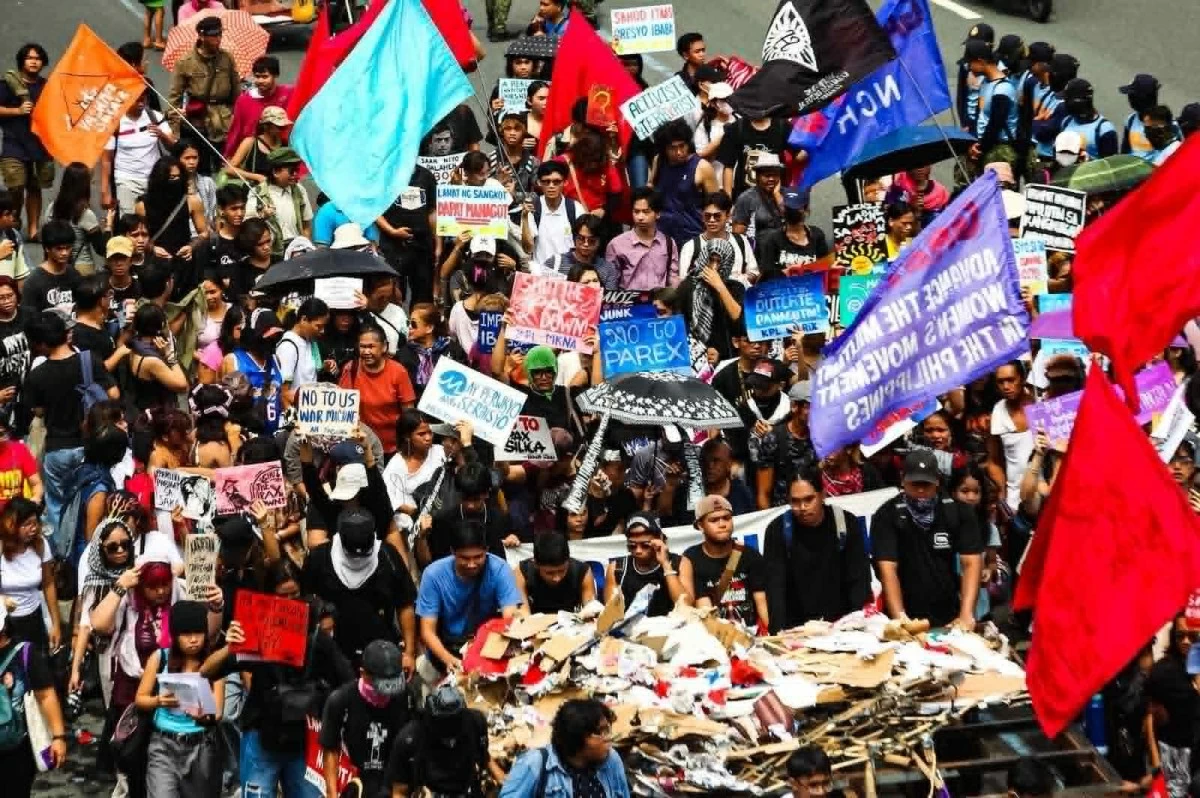
The protest began at around 7:08 a.m., drawing members from groups including Youth for Nationalism and Democracy, Kilusan, Lupa Pilipinas, Pamalakaya, Pangisda, Workers for People’s Liberation, Pambansang Kaisahan ng Magkabayang Magbubukid, and the Nuclear-Free Bataan Movement.
Police said the gathering remained generally peaceful, even as protesters raised calls for government accountability, economic relief, and national sovereignty.
All major roads leading to Malacañang Palace were closed, with large barricades installed and multiple layers of police securing key entry points across the capital.
Even before the morning rallies built up, security concerns had already surfaced overnight.
At around 12:17 a.m., an explosion believed to have been caused by an improvised explosive device (IED) occurred near the main entrance of the Department of Justice (DOJ) along Padre Faura Street in Ermita.
Authorities reported no casualties, and the Philippine National Police Explosive Ordnance Disposal (PNP-EOD) unit immediately conducted a technical examination. Investigations are ongoing.
Hours later, at around 8:13 a.m., another suspected explosive device was discovered on Diokno Boulevard in Pasay City near the Senate.
Police said the device contained a 9-volt battery, a blasting cap, a clock, and a plastic container with a brown powdery substance believed to be explosive material.
The Pasay City Police EOD Team carried out a render-safe procedure and successfully neutralized the device without incident.
In Quezon City, where President Marcos was set to deliver his address at the Batasang Pambansa Complex, larger crowds gathered along Commonwealth Avenue for the annual “People’s SONA.”
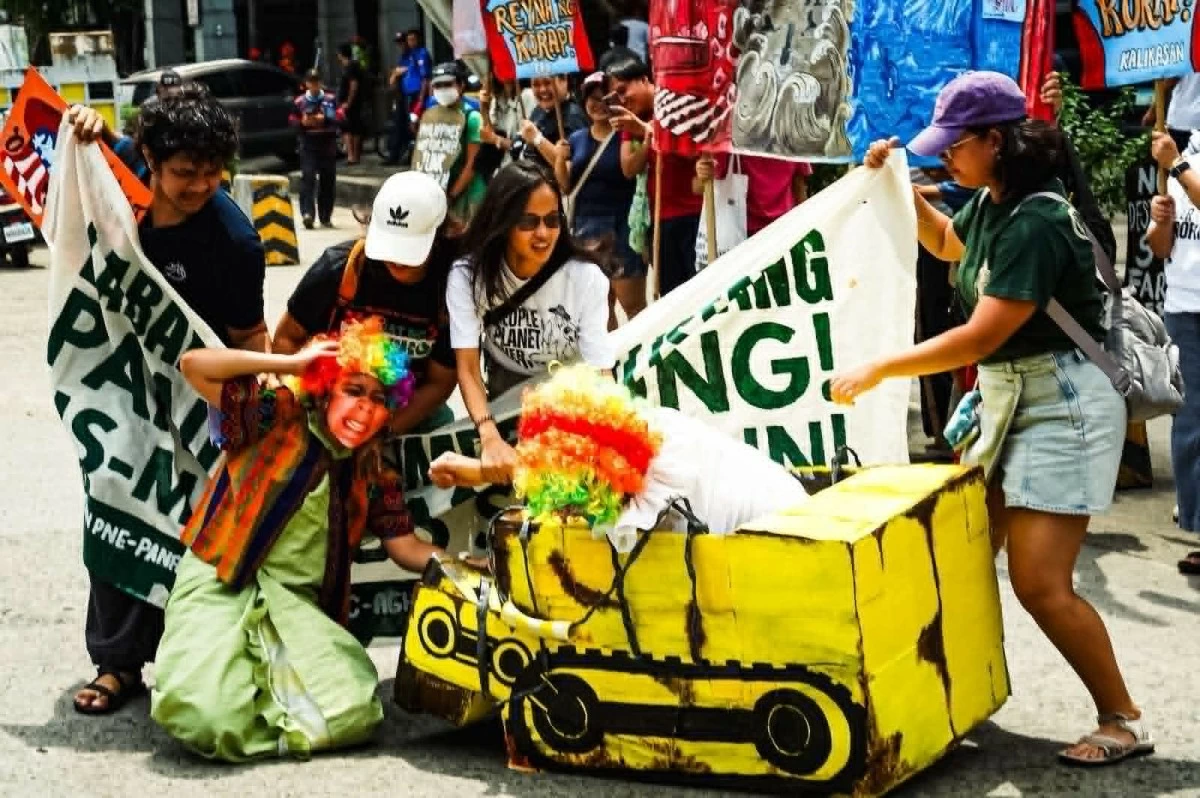
Multisectoral groups, including labor organizations, fisherfolk, and youth groups, pressed demands on issues ranging from rising fuel and electricity prices to job insecurity, corruption, and foreign influence. Organizers projected the turnout to reach tens of thousands.
Tensions briefly escalated in the area when a Bureau of Jail Management and Penology (BJMP) bus was confronted by protesters who accused the driver of attempting to push through the crowd.
Demonstrators surrounded the vehicle and struck it, shattering its windows before authorities intervened. No injuries were immediately reported.
Meanwhile, a total of 51 individuals were arrested during SONA-related protests in Quezon City, including six minors who were apprehended for alleged vandalism along Commonwealth Avenue.
The identities of the minors were not disclosed.
Elsewhere, security reinforcements extended beyond the capital region, with police units from nearby provinces such as Cavite deployed to support operations in Metro Manila.
Across the region, more than 22,000 police personnel were mobilized as part of a nationwide security plan covering protest areas, government facilities, and critical routes.
Traffic disruptions were expected in several areas, particularly in Manila and Quezon City, as authorities implemented rerouting schemes and designated protest zones to manage the growing crowds.
By midday, demonstrations had spread across Metro Manila, marked by tight security, isolated confrontations, and heightened alert following bomb-related incidents. (with a report from Carla Bauto Deña)