







'I, Object': Looking for friendly faces
Published Jul 27, 2026 09:10 am
|
Updated Jul 27, 2026 01:22 pm


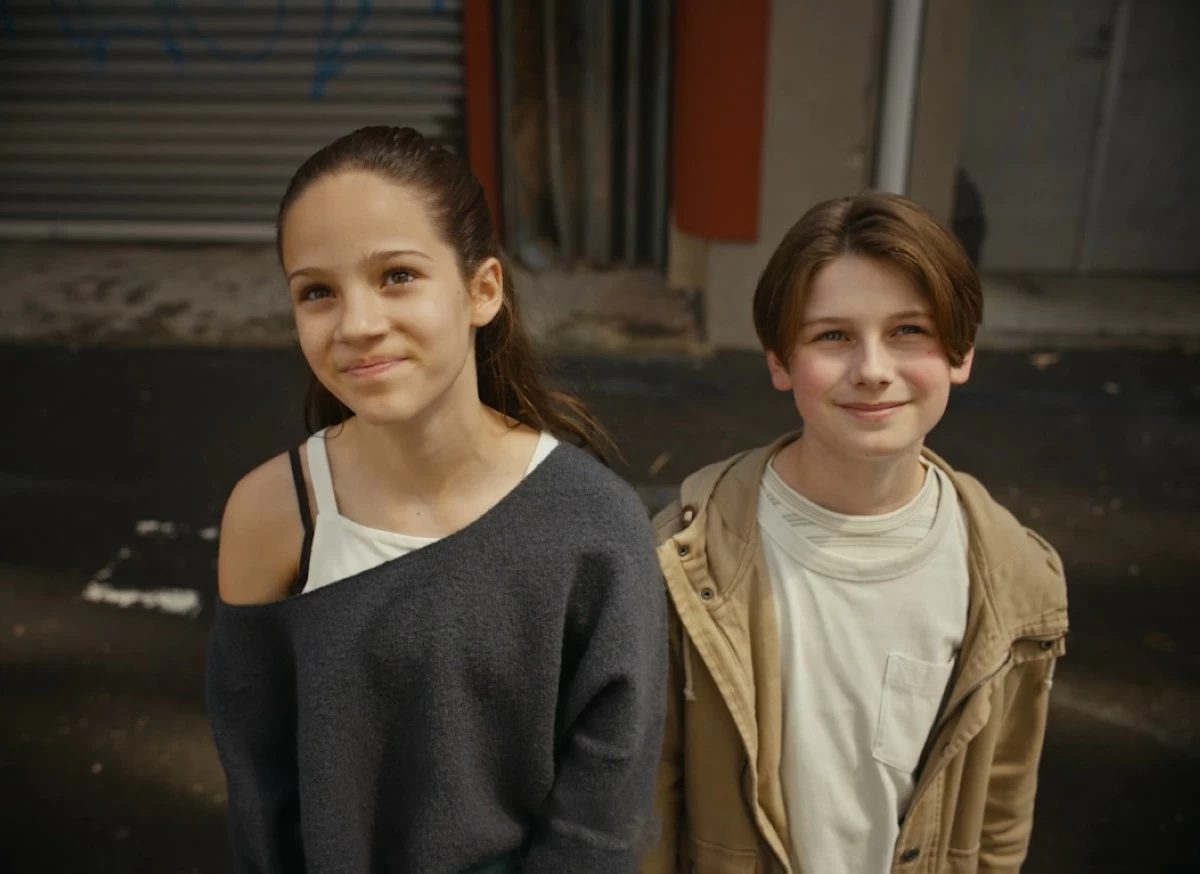
A scene from the film "I,Object"
If you're a parent, you've probably seen it happen.
"Mom! That cloud looks like a dinosaur!"
"Look! That car has a face!"
Children see faces everywhere—on the backs of cars, in electrical outlets, on slices of toast, in the clouds. It's one of those little stages of childhood that almost every parent encounters.
The question isn't whether children do this.
The question is what we adults do next.
Do we crouch down beside them and start finding faces too?
Or do we smile politely before telling them it's just a car?
That simple idea is the heart of "I, Object."
Tom is a young boy still trying to make sense of life after losing his father. He talks to objects—objects with faces. Lamps. Toys. Household odds and ends. If something has a face, it has a personality. It has thoughts. It has feelings. More importantly, it becomes a friend.
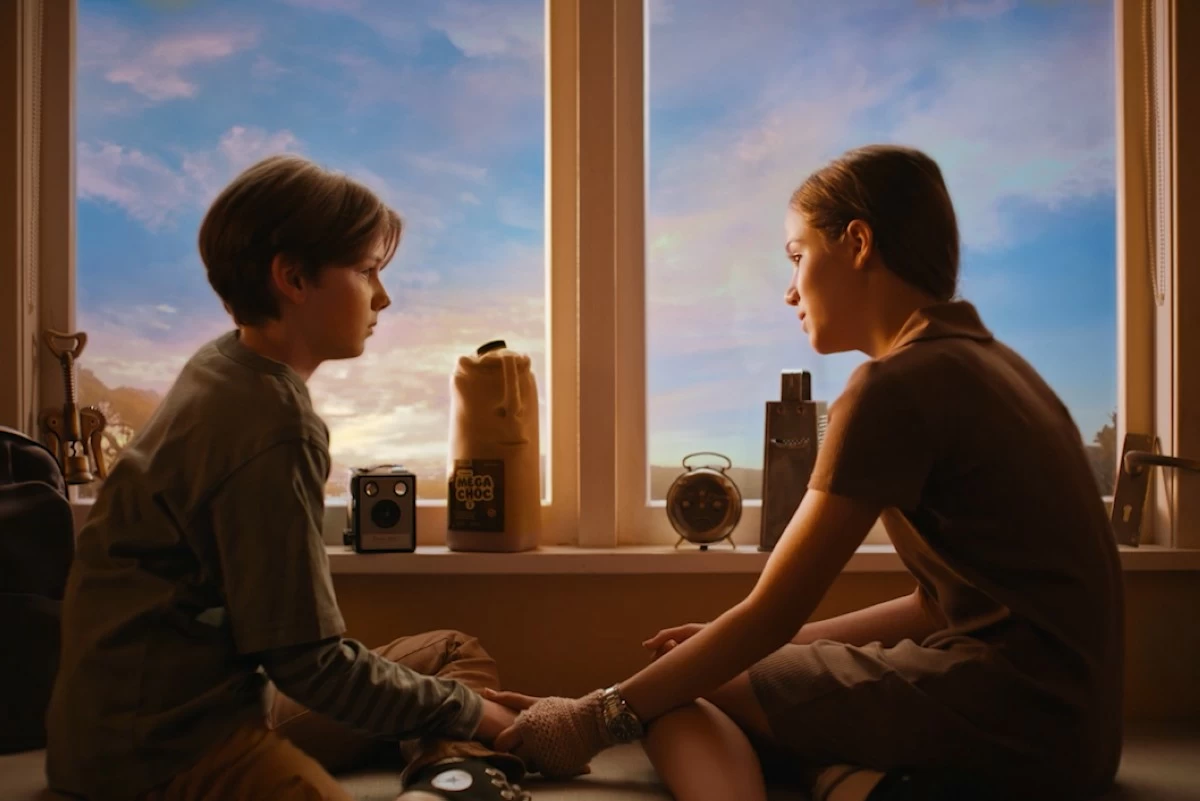
His mother, Abigail (Anna Faris), is trying to rebuild her life after losing her husband. Unfortunately, she's doing it with Frank (Karl Urban), who quickly proved to be the character I wanted to throw out of the house myself.
Frank doesn't simply think Tom should outgrow his talking objects. He slowly begins clearing away everything connected to Tom's father, making changes to the house, and even setting plans in motion to sell it. In Tom's eyes, Frank keeps taking things that aren't his.
It's easy to dismiss that as a child being possessive.
The movie makes it clear that it isn't.
To Frank, the house is property. The keepsakes are clutter. The talking objects are just things that prevent the family from moving on.
To Tom, they're memories of his father. They're companions. Getting rid of them isn't cleaning up the house. It's taking away pieces of the only world he has left.
That's what makes Frank such an effective antagonist. He isn't fighting talking objects. He's dismantling Tom's world, one piece at a time.
One of the things I appreciated most was that the film doesn't reduce Tom's experiences to a simple question of whether he's imagining everything. As the story unfolds, Tom meets Allie, another child who sees and hears the objects just as he does. Eventually, some adults begin seeing them too.
Which got me thinking.
The movie isn't really asking whether Tom is making everything up. It eventually answers that question for us. The objects are real within the world of the film. What I found myself wondering instead was why some people could see them while others couldn't. Or maybe the better question is why some people stop seeing them in the first place.
One of my favorite filmmaking choices was something I noticed almost immediately. For much of the movie, the adults' faces are hidden or obscured. We hear them. We know they're there. But through Tom's eyes, they're simply adults moving around him.
Only later, as some of them begin to understand Tom, do they become fully visible.
It's a quiet visual decision that says a lot without ever calling attention to itself.
It would be easy to dismiss "I, Object" as another children's fantasy about talking objects.
I don't think it is.
Beneath the fantasy is a story about loneliness.
The more I watched Tom searching for friendly faces in ordinary objects, the more I found myself thinking that maybe loneliness looks exactly like that.
Maybe loneliness is the hunt for friendly faces.
For someone—or something—that reminds us we are not facing the world alone.
The objects aren't there simply to entertain Tom. They become his companions. They listen to him, argue with him, tease him, comfort him, and, more importantly, they stay with him when he has never felt more alone.
The movie also acknowledges that not every companion is meant to stay forever. Some come into our lives because we need them at that particular moment. Whether they're people or, in Tom's case, talking objects, they eventually let us go once we're ready to keep moving forward.
As the credits rolled, I overheard a few adults saying they didn't particularly enjoy the movie.
I understood why.
If all you see are talking lamps and smiling toys, it probably feels like a pleasant little children's fantasy.
I found myself watching it through my parent-and-teacher spectacles instead.
I wasn't watching objects come to life as much as I was watching a child trying to make sense of grief while searching for connection. That's the movie I walked away with.
"I, Object" is funny, charming, and occasionally heartbreaking, but what impressed me most was how seriously it takes children. It never talks down to them, and it never treats Tom's grief as something that can be wrapped up neatly by the end of the movie. Instead, it allows children to grieve the way children grieve, and trusts adults to understand why that matters.
"I, Object" won't be for everyone. If you're looking for nonstop laughs or a fast-paced adventure, this probably isn't that movie.
But if you're a parent who's ever wondered what goes on inside your child's head...
If you're a teacher who's watched a child retreat into an imaginary world...
If you've ever grieved someone you weren't ready to lose...
Or if you were one of those kids who saw the world just a little differently...
I think you'll find something here.
The talking objects may be what brings children into the theater.
But it's the very human story underneath them that stayed with me long after the credits rolled. (Margaret Siytangco)