






Manila Bulletin
 Lifestyle
Arts and Culture
Erikson Arcilla focuses on nature's slow beauty in his latest exhibit
Lifestyle
Arts and Culture
Erikson Arcilla focuses on nature's slow beauty in his latest exhibit
Lifestyle
Arts and Culture
Erikson Arcilla focuses on nature's slow beauty in his latest exhibit
Erikson Arcilla focuses on nature's slow beauty in his latest exhibit
The artist's 'The Longest Wait Makes the Prettiest Flowers' is a call to slow down
By S.C. Fojas
Published Jul 27, 2026 10:35 am


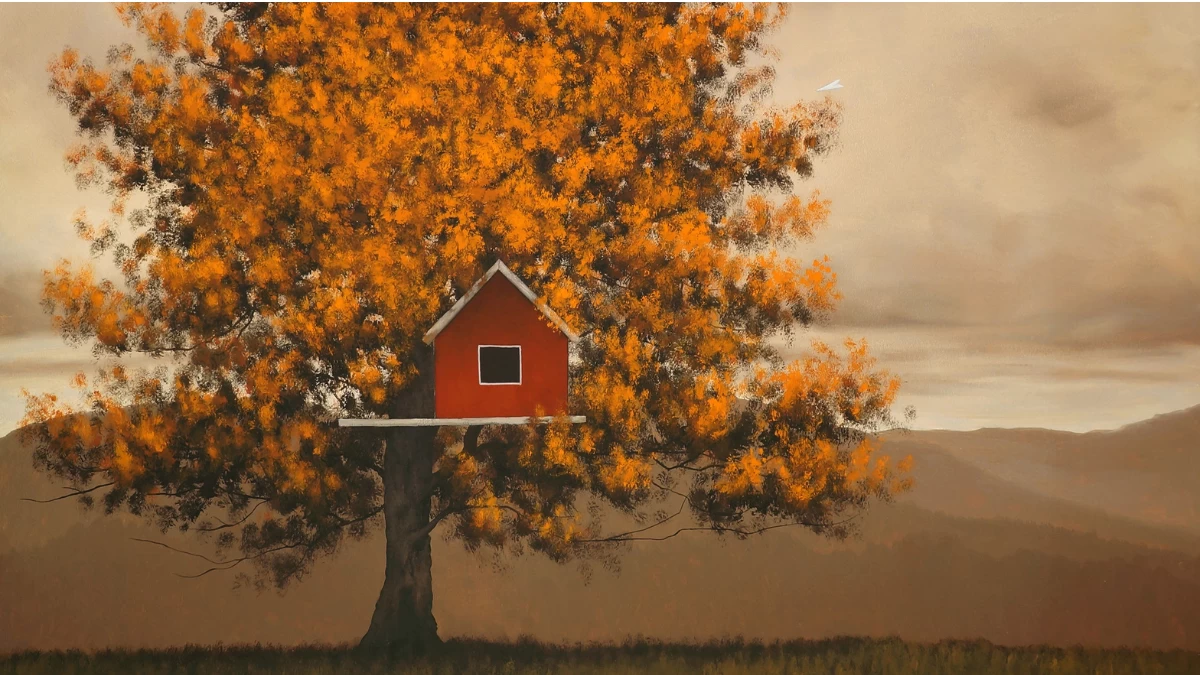
'Fall Comes Around,' 36x48 inches, oil on canvas, 2021
Nature does not hurry, yet everything gets accomplished. This is the timeless sentiment of Erikson Arcilla’s exhibit, “The Longest Wait Makes the Prettiest Flowers,” showing at the Art Underground Manila until Aug. 10.
Centering on the delicate balance between limestone, moss, and orchid blossoms, Erikson’s paintings are metaphors for emotional patience, asking viewers to slow down, catch their breath, and trust in the slow, deliberate process of becoming.
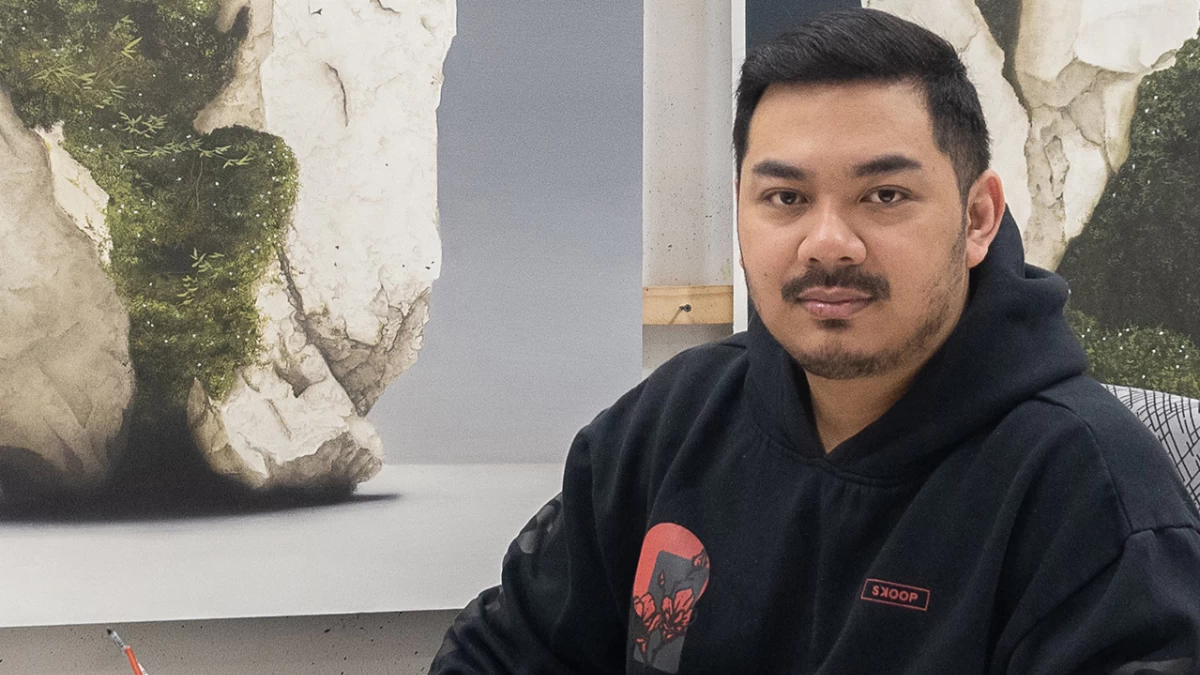
MEET THE ARTIST Erikson Arcilla
Erikson’s creative space in Quezon City reflects a commitment to function and focus. Having replaced a traditional living room in favor of a dedicated studio setup, he keeps his essential tools close at hand.
“Creating a work environment is pivotal in making sure you have a trust process and workflow. As long as my studio and my tools are within reach, I can paint,” he says.
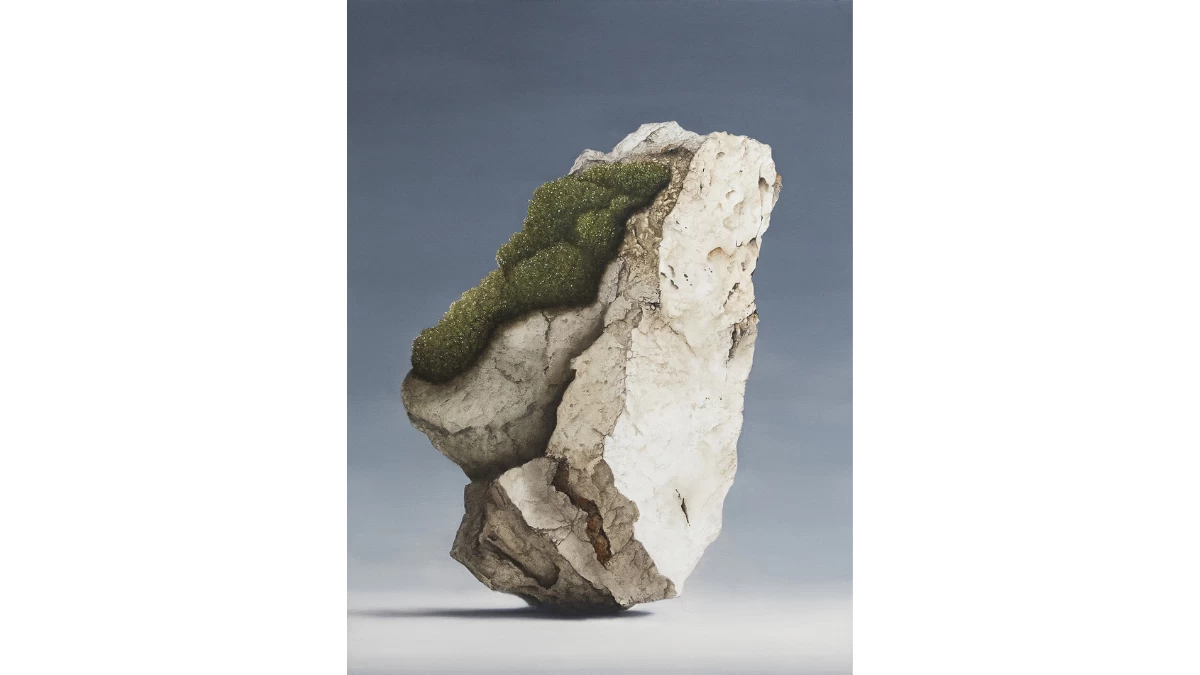
'Architecture of Patience,' 48x36 inches, oil on canvas, 2026
His choice of oil paint was not born out of formal grand strategy, but pure serendipity.
“It wasn’t so much a targeted decision but rather a happenstance,” Erikson shares. “I was looking around National Bookstore for any type of paint, and a set of oil paints was going on sale. I have been using oil ever since.”
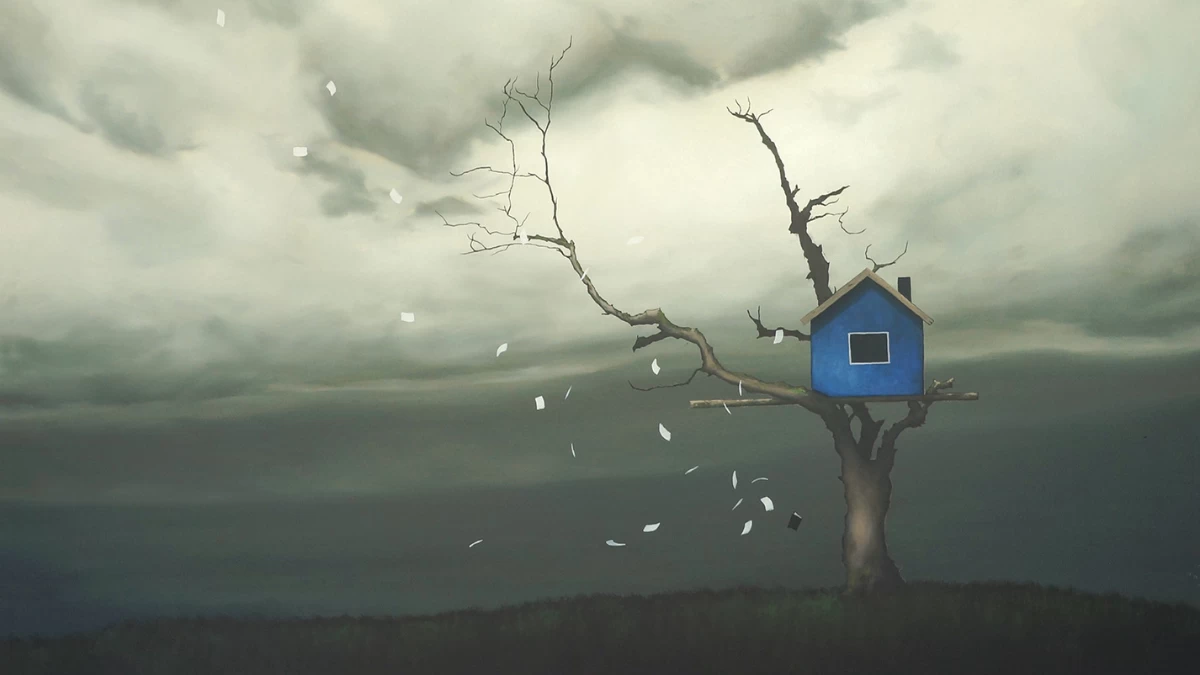
'Mountain Guardian,' 36x48 inches, oil on canvas, 2021
Despite experimenting with varied subjects across different series, from surreal tree houses and balloon dogs to limestone landscapes, Erikson’s identity remains rooted in an abiding reverence for nature.
“My style isn’t unique as to visual composition and technique, but rather I focus more on a recurring core or theme: nature,” the artist explains. “My work almost all the time revolves around nature. It is part of why I became an artist. I want conversations about nature to keep sustainable environmentalism alive.”
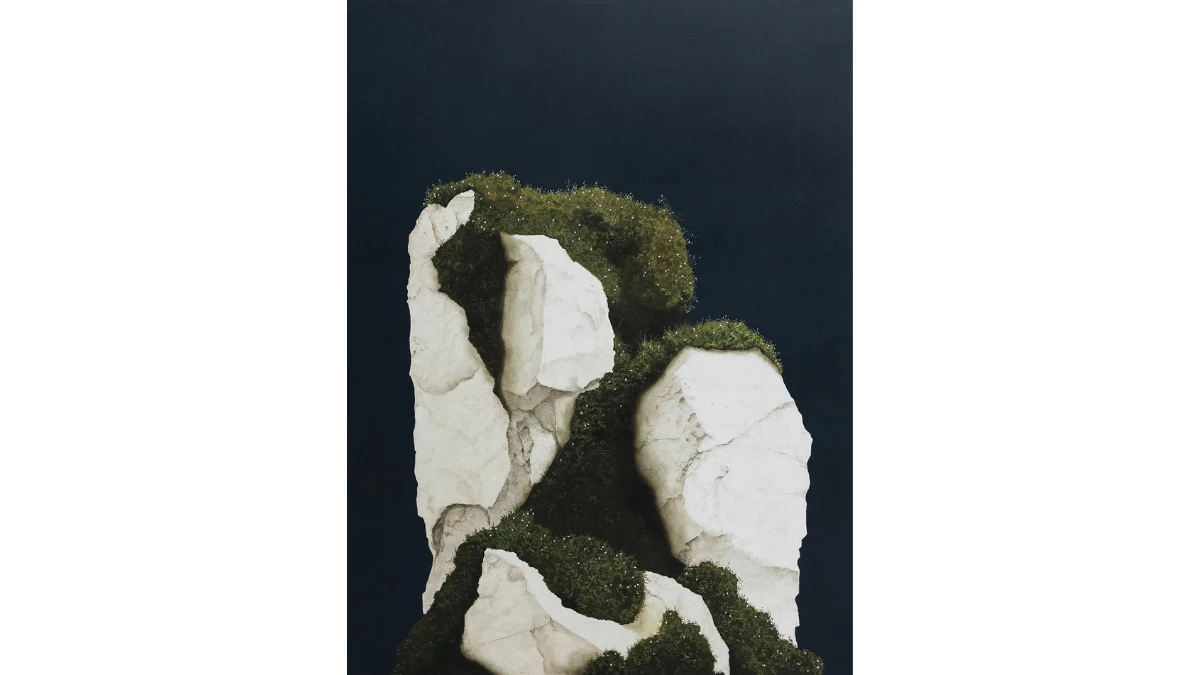
'Where Stone Learns to Yield,' 48 x 36 inches, oil on canvas, 2026
Erikson’s journey toward his current exhibit can be traced through earlier works that laid the groundwork for his technical mastery of delicate, organic forms.
Exhibiting his versatility with translucent light and shadow, “Drape of Beautiful Memories” renders skeletonized, dried leaves suspended from a slender branch against a dark backdrop. The intricate work of leaf veins is captured with ethereal detail, as if it’s a poetic meditation on passage, memory, and graceful decay.
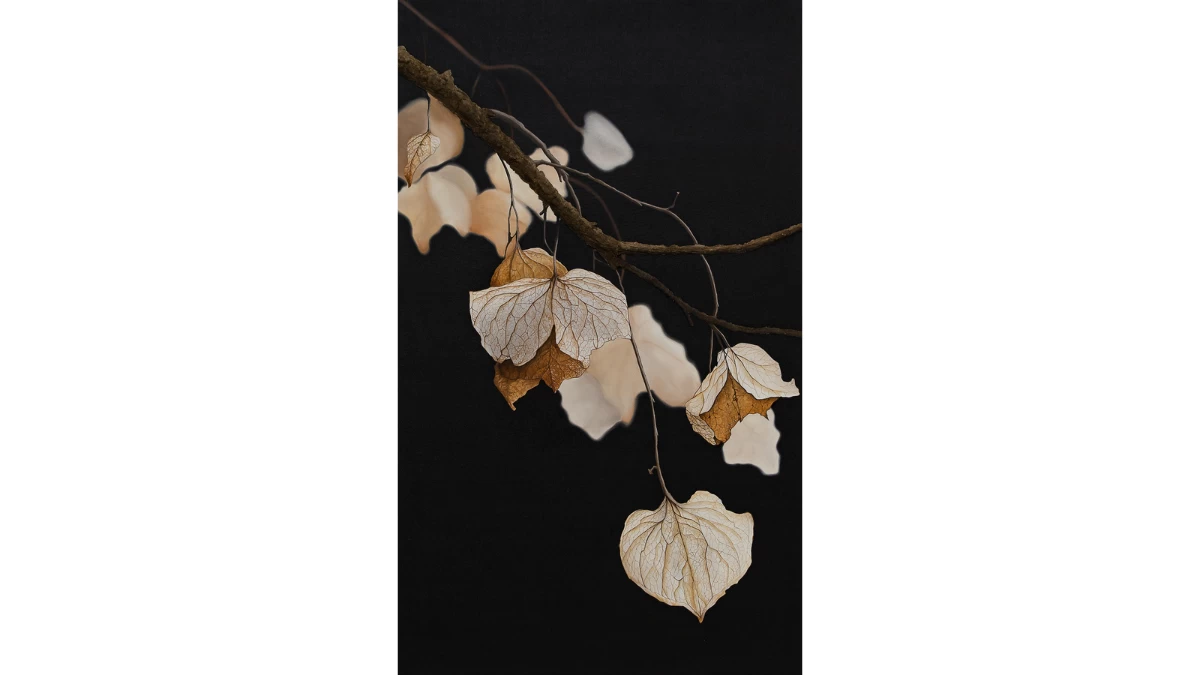
'Drape of Beautiful Memories,' 60x36 inches, oil on canvas, 2025
A precursor to the orchid series, “Dreaming in Sepia” focuses on a singular split stone monolith set against a slate-blue atmosphere. Vine-like stems carrying tiny yellow blossoms wind their way through the central crack, rooted in patches of amber and moss-green growth. The painting showcases Erikson’s meticulous handling of line and subtle tonal transitions.
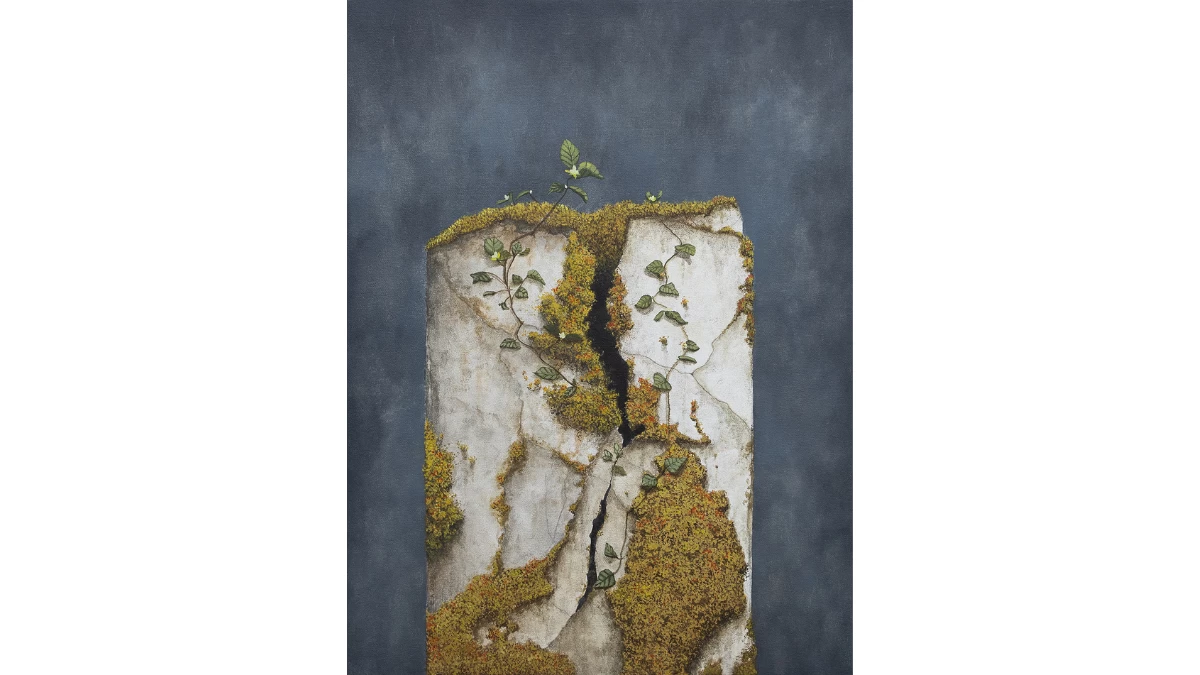
'Dreaming in Sepia,' 24x18 in, oil on canvas, 2025
“The Longest Wait Makes The Prettiest Flowers” acts as a direct narrative continuation of Erikson’s previous works presented at the Art Fair Philippines.
“This series is an expansion/sequel to my Art Fair Philippines show,” Erikson says. “It showed rocks and moss, and I kept itching on wanting to add something that blooms in the midst of all this. My work expands as a concept grows.”
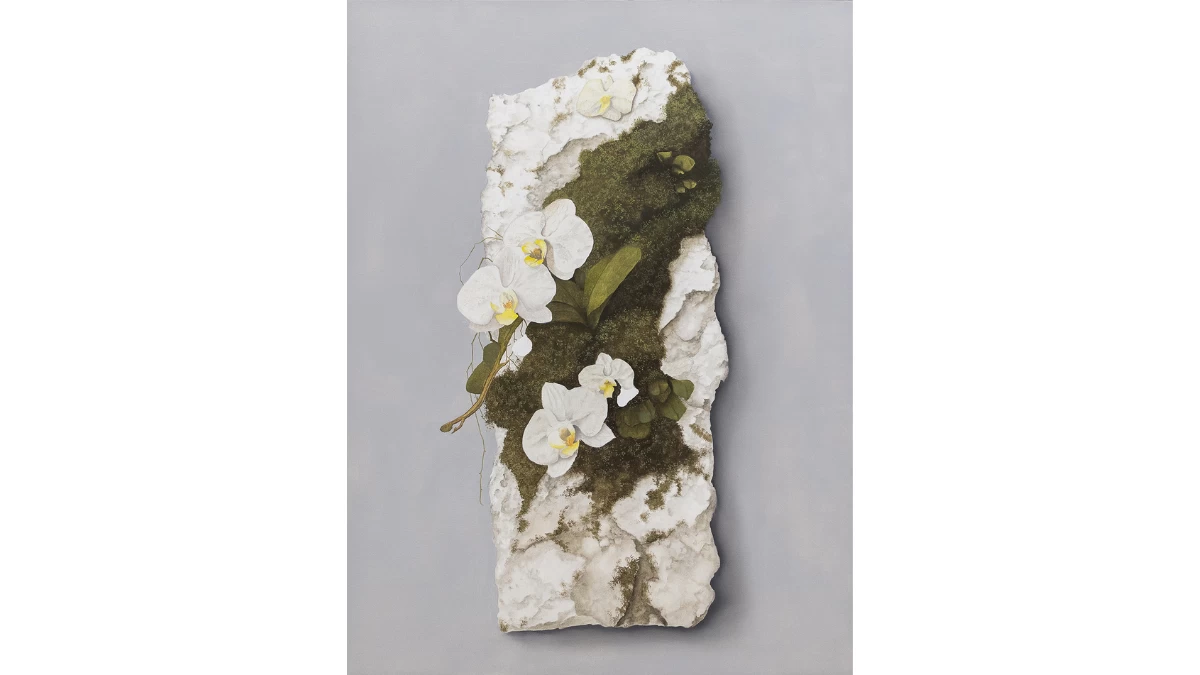
'Every Crevice, A Chance,' 48x36 inches, oil on canvas, 2026
Erikson’s creative process relies on a systematic method of elimination.
“I would list down keywords that I would like to tackle as a subject. For the base of this show’s pieces, I started with words like rocks, metal, cement, and other things that shouldn’t be able to house living flowers. The next element would be the moss,” he adds. “Finally, I wanted a payoff to the story being told, and therein I decided I would go with flowering orchids. Something to find at the end of the rainbow.”
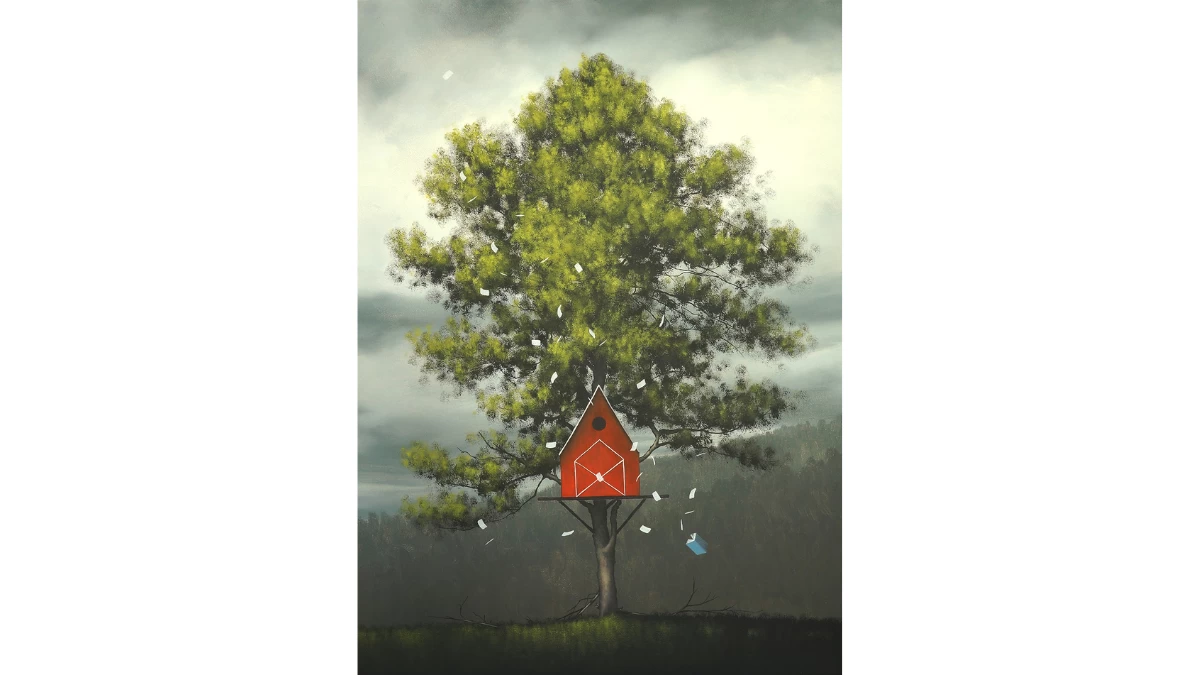
'Forest Keeper,' 40x30 inches, oil on canvas, 2021
In this latest body of work, the initial conceptual sparks evolve into quiet, powerful masterworks.
In “Every Crevice, A Chance,” Erikson achieves a masterful balance between structural hardness and organic softness. A slab of weathered white limestone is rendered with palpable tactile fidelity. Its chalky surface, subtle pitting, and sharp edges are offset by velvety carpets of dark green moss. Emerging triumphantly from the central cleft are pristine white Phalaenopsis orchids with delicate yellow tips. The stark neutral background isolates the subject, forcing the viewer to marvel at the quiet audacity of life claiming space here, it was least expected.
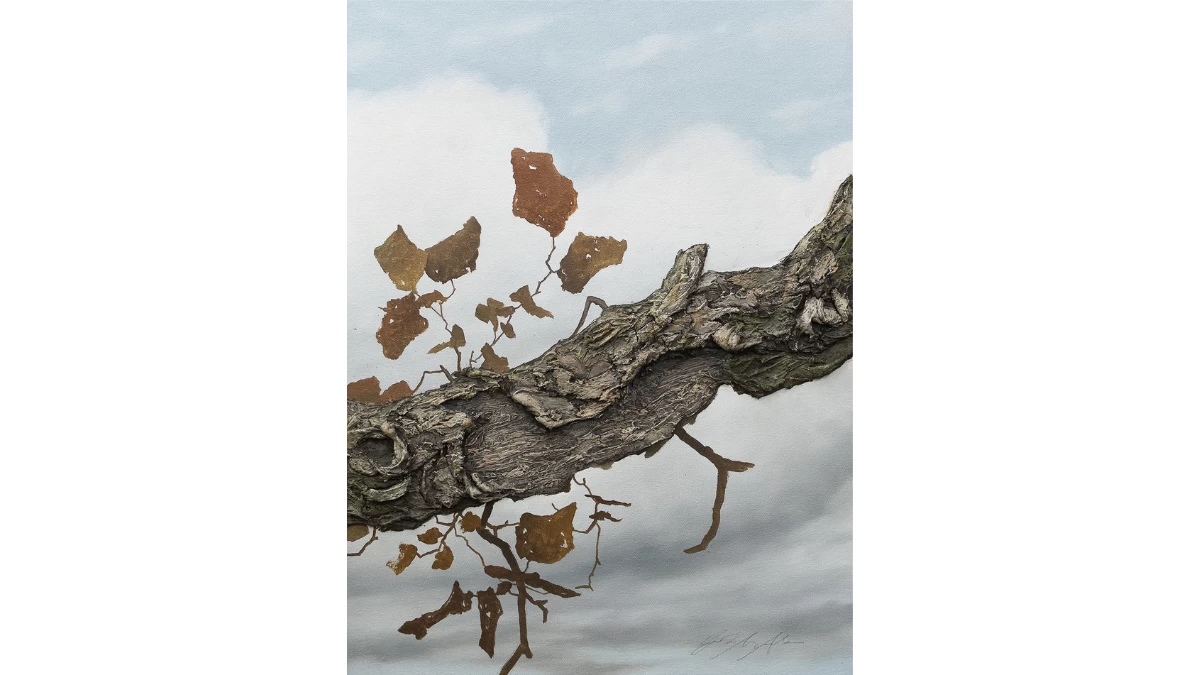
'Fractured Anthology III,' 24 x 18 inches, oil on canvas, 2025
Set against a dramatic, deep navyvoid, “Where Stone Learns to Yield” presents a soaring monolith-like cluster of fractured limestone. Erikson paints the stone’s fissures with compelling depth, filling the vertical crevices with dense moss speckled with tiny, star-like white blossoms. The painting feels like an architectural monument constructed by nature over centuries, capturing the quiet victory of persistence over stone.
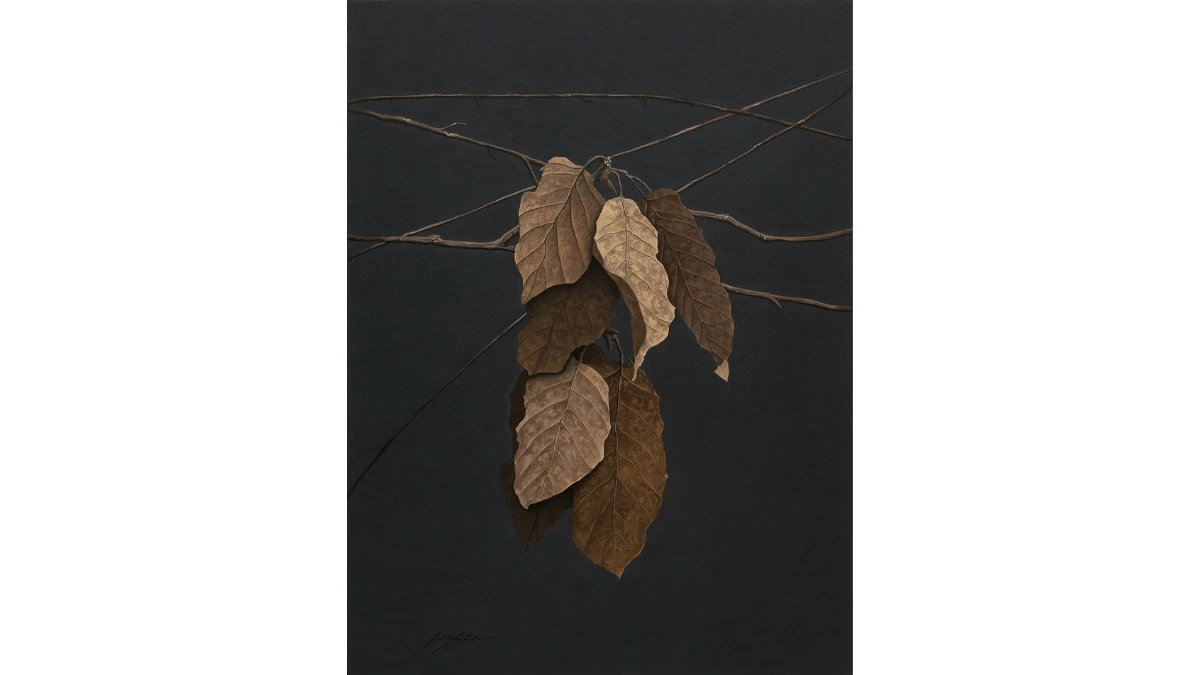
'Hope Hung Quietly,' 48 x 36 inches, oil on canvas, 2025
When asked what message he hopes visitors carry away from this body of work, Erikson offers a reminder for our fast-paced lives: “Slow down. There will always be many things going on, too much for anyone to keep track of. Slow down, take a breather, and see that fruitful things come to those who wait.”
“The Longest Wait Makes the Prettiest Flowers” by Erikson Arcilla runs until Aug. 10 at Art Underground Manila, 2/F Mabini 180, 180 A. Mabini St., Addition Hills, San Juan City, Metro Manila.