







ACEN nears 1-GW clean energy hub in Zambales


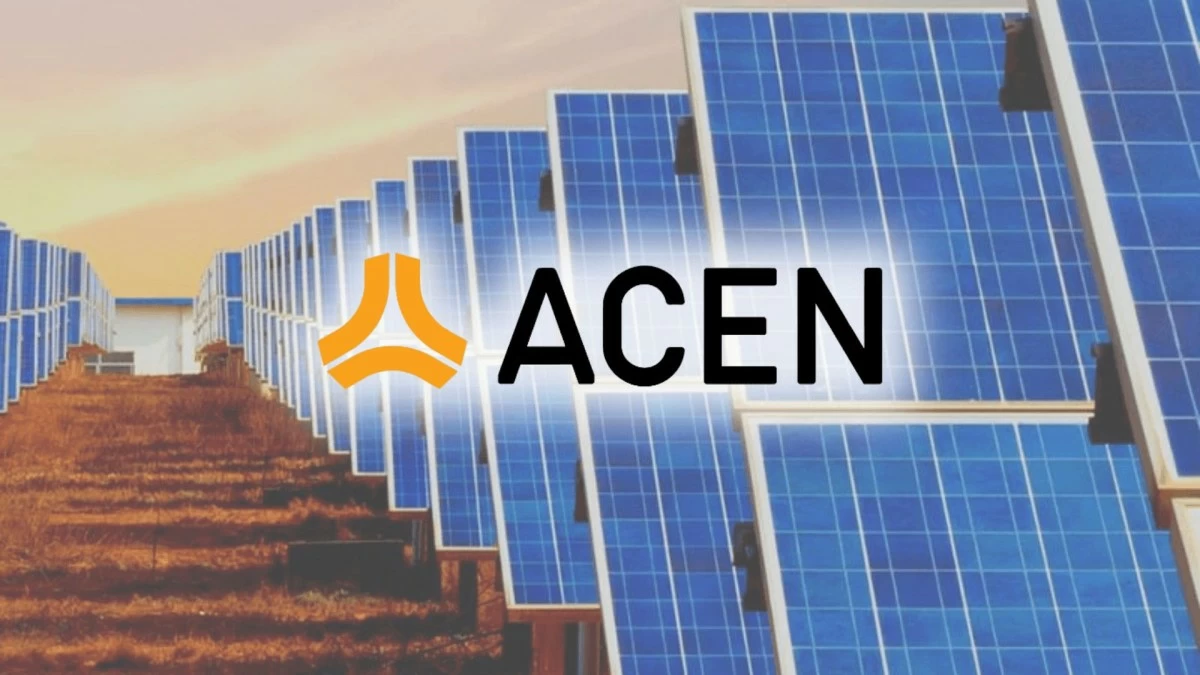
Ayala-led ACEN Corp. is transforming Zambales province into one of the country’s largest renewable energy (RE) hubs, with nearly one gigawatt (GW) of combined solar and battery energy storage projects either operating or under development.
In a disclosure to the Philippine Stock Exchange (PSE) on Monday, July 27, ACEN said its Zambales portfolio will have about 948 megawatts (MW) of combined solar capacity. This includes the 585-MW SanMar solar project in San Marcelino town, being developed across more than 500 hectares (ha) of unutilized, lahar-covered land, and 363-MW Palauig solar project.
At present, 450 MW of the total capacity is already operational, with the remainder under construction and scheduled for completion by 2027.
To support dispatchability and maintain grid balance, ACEN has also started constructing 1,660 megawatt-hours (MWh) of battery energy storage systems (BESS) co-located with its solar assets in the province. These facilities will store excess energy generated during peak daytime output for release into the grid during periods of high evening demand.
Once fully operational, the solar developments are expected to generate approximately 1,400 gigawatt-hours (GWh) of clean electricity annually—enough to supply around 340,000 households and offset nearly 800,000 tonnes of carbon dioxide emissions each year.
To transport the clean power to consumers, the listed energy firm has completed 14 kilometers (km) of transmission infrastructure connected to Luzon grid, with an additional 22 km currently under construction.
Beyond power generation, the developments have spurred local economic activity in host communities. ACEN noted that approximately 80 percent of its project workforce was sourced locally, primarily from the Ayta indigenous peoples (IPs) community.
The company has also built six km of roads and concrete bridges, opening access routes for remote indigenous communities to travel to town centers, schools, and health facilities.
“At ACEN, we believe RE projects should create value far beyond the electricity they generate,” said Miguel de Jesus, ACEN managing director and chief operating officer (COO) for Philippine development and operations.
“In Zambales, we are not only building one of the country’s largest RE hubs—we are investing in infrastructure, creating local jobs, supporting indigenous communities, and strengthening the country’s long-term energy security.”
By relying on indigenous clean energy resources, ACEN said these projects are designed to reduce the country’s dependence on imported fossil fuels, mitigating exposure to global market price swings and foreign exchange (forex) fluctuations. - Gabriell Christel Galang