






Manila Bulletin
 Philippines
National
DSWD highlights gains in fight against hunger, human capital investment, disaster response ahead of SONA
Philippines
National
DSWD highlights gains in fight against hunger, human capital investment, disaster response ahead of SONA
Philippines
National
DSWD highlights gains in fight against hunger, human capital investment, disaster response ahead of SONA
DSWD highlights gains in fight against hunger, human capital investment, disaster response ahead of SONA
Published Jul 26, 2026 07:35 pm


At A Glance
- DSWD Assistant Secretary and spokesperson Irene Dumlao said the department's programs over the past year have been guided by the President's directives to end hunger, continue investing in human capital, and strengthen the government's capacity to respond to disasters.
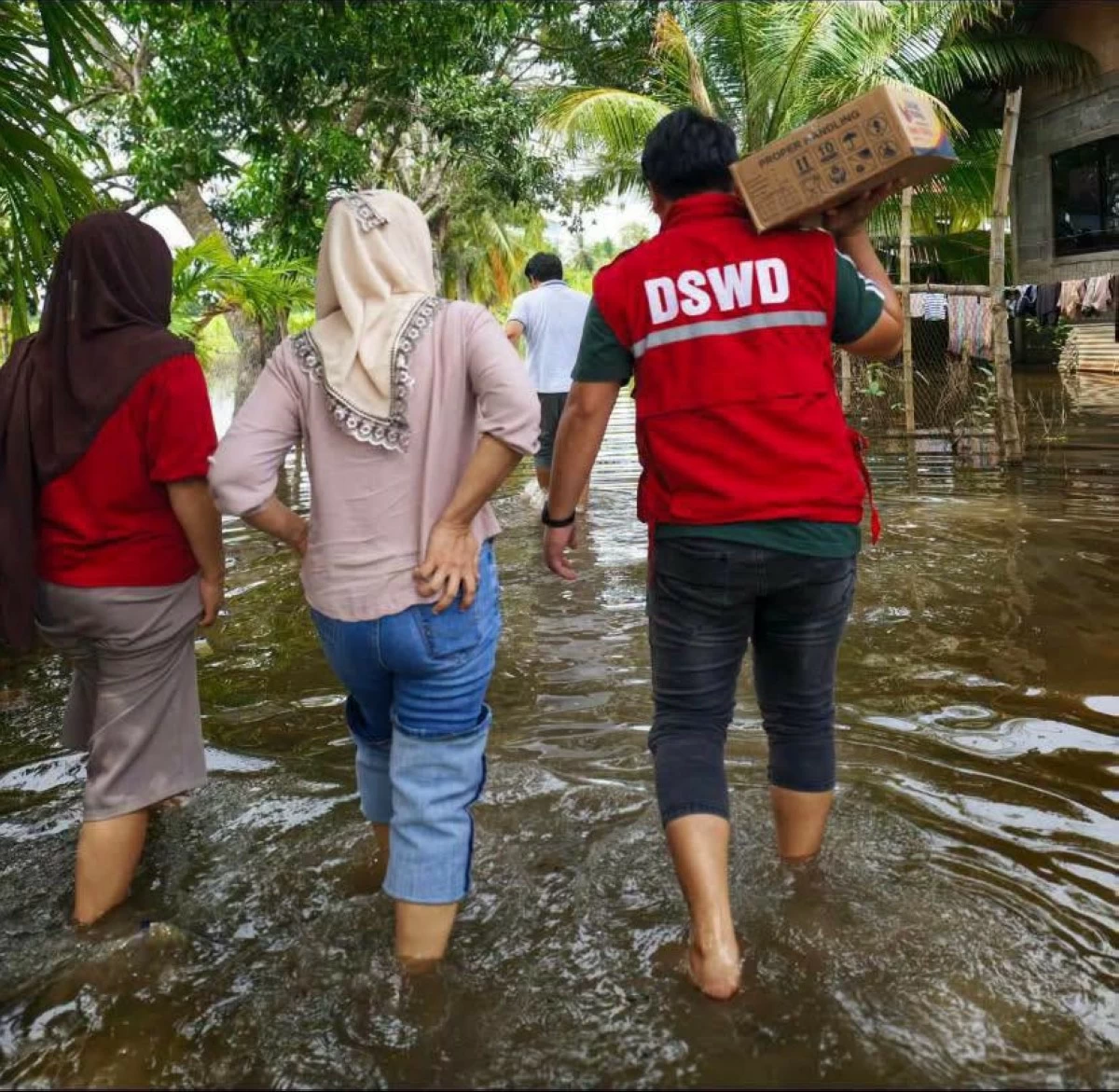
DSWD photo
As President Ferdinand Marcos Jr. prepares to deliver his State of the Nation Address (SONA), the Department of Social Welfare and Development (DSWD) highlighted its accomplishments in the government's continuing fight against hunger and poverty, investment in human capital, protection of vulnerable groups, and disaster response.
DSWD Assistant Secretary and spokesperson Irene Dumlao said the department's programs over the past year have been guided by the President's directives to end hunger, continue investing in human capital, and strengthen the government's capacity to respond to disasters.
Among the department's key initiatives is the Walang Gutom Program, which provides food-poor households with ₱3,000 in monthly food credits that they can use to buy affordable and nutritious food.
The program has so far reached around 600,000 households, giving families access to nutritious food while teaching beneficiaries how to prepare affordable, healthy, and delicious meals.
Dumlao said the DSWD is on track to enroll 750,000 food-poor households identified through the Listahanan social registry.
With around 600,000 households already enrolled, the department aims to add another 150,000 before the end of the year, with the goal of reaching all families experiencing hunger by 2027.
“We're ending hunger one program and one kitchen at a time,” Dumlao said.
She added that DSWD’s efforts to address hunger extend to the Walang Gutom Kitchen, which provides hot and nutritious meals to people experiencing involuntary hunger.
At least 200,000 individuals are now being reached through the initiative, with three Walang Gutom Kitchens currently operating in Pasay City, Cebu, and Zamboanga City.
Dumlao said more than 300,000 meals have been served since the first kitchen opened in Pasay City, with the facilities continuing to provide hot meals daily.
DSWD is also working toward the President's target of opening at least 12 soup kitchens, with support from private-sector donors.
The initiative seeks to provide food not only to families and individuals in street situations but also to members of the general public who experience hunger.
Helping families move out of poverty
Dumlao said the DSWD is also strengthening its investment in human capital through the Pantawid Pamilyang Pilipino Program (4Ps), the government's flagship conditional cash transfer program.
Since 2022, around 1.6 million 4Ps beneficiary households have exited the program after showing improvements in their overall well-being.
The DSWD spokesperson reported that these households were assessed through social welfare and development indicators, with monitoring showing that they had achieved social adequacy and economic sufficiency.
According to her, the improvement means these families were assessed to have moved beyond the level of poverty that initially qualified them for the program.
DSWD has also strengthened case management by increasing the number of City and Municipal Links who directly monitor 4Ps beneficiaries.
“Kung dati-dati po ang isang City Link o isang Municipal Link ay mayroong caseload na 800 households, ngayon po ay nasa 200 to 300 na (In the past, one City Link or Municipal Link handled a caseload of 800 households. Now, the caseload is down to around 200 to 300 households),” Dumlao said.
“At dahil po dito, talagang natututukan at nababantayan ng ating mga links yung ating mga beneficiaries at natitiyak na yung mga nararapat na intervention ay maipapahatid sa ating mga 4Ps para umangat yung kanilang antas ng pamumuhay (Because of this, our links are able to closely monitor and support our beneficiaries and ensure that the appropriate interventions are delivered to our 4Ps families so they can improve their standard of living),” she added.
Investing in the first 1,000 days of life
As part of its human capital investments, the DSWD has also expanded 4Ps support to cover the critical first 1,000 days of a child's life.
The First 1,000 Days conditional cash grant was initially set at ₱350 per month when the program started in 2025.
Dumlao said the grant has since been increased to ₱750 per month.
The assistance is intended to help address the nutritional needs of pregnant women and young children during a crucial period of brain development and growth.
“Critical period kasi yung first 1,000 days dahil diyan nangyayari yung brain development (The first 1,000 days are a critical period because this is when brain development takes place),” she said.
Dumlao added that the program seeks to ensure that pregnant women receive adequate nutrition and that children are given the support they need to help address stunting and reduce the risk of long-term health problems.
Beneficiaries are required to comply with health conditions, including prenatal checkups, access to health services, and the intake of necessary supplements and other interventions.
Supporting adolescent mothers, children with disabilities
Dumlao said DSWD is also providing support to vulnerable young mothers through the enhanced ProtecTeen program.
Around 828 adolescent mothers are receiving monthly financial assistance and psychosocial support under the initiative, which seeks to help them continue their personal development while fulfilling their responsibilities as mothers.
Under the program, beneficiaries receive a ₱3,000 economic empowerment grant that can be used to address the health and other needs of the adolescent mothers and their children.
Meanwhile, more than 1,000 families caring for children with disabilities have received health interventions and financial assistance through Project Aruga.
The program provides a ₱2,000 disability support allowance to help family members who care for children with disabilities.
“Alam naman natin na hindi madali yung responsibilidad at yung mga tasks na ginagampanan nila, kaya binibigyan natin din po sila ng kaukulang suporta para maipagpatuloy yung pagbabantay at pangangalaga sa ating mga children with disabilities (We know that the responsibilities and tasks they perform are not easy, which is why we provide them with the necessary support so they can continue caring for and protecting children with disabilities),” Dumlao said.
Protecting children from online exploitation
Dumlao also cited that DSWD is strengthening its response to online sexual abuse or exploitation of children (OSAEC).
Through Project Safe Against OSAEC, 120 victim-survivors have received therapeutic and educational support, while 690 community members in Regions 7 and 10 have been reached through advocacy activities.
The program seeks to provide holistic interventions to children who have experienced OSAEC, support their safe reintegration into their communities, and prevent revictimization.
“Hindi po madali yung maging biktima ng OSAEC at kaya tinitiyak natin na yung holistic intervention ay naibibigay po natin sa mga victim-survivors (Being a victim of OSAEC is not easy, which is why we make sure that holistic interventions are provided to victim-survivors),” Dumlao said.
Strengthening disaster preparedness
DSWD's accomplishments also include strengthening the government's capacity to respond to disasters in a country that remains highly vulnerable to natural hazards.
Dumlao said the department currently has around 4.8 million family food packs in its stockpile, ready for distribution to families severely affected by disasters.
These supplies have been prepositioned in around 1,000 warehouses used by the DSWD across the country, allowing the government to respond more quickly when disasters strike.
“Alam po natin na ang ating bansa ay highly vulnerable and at risk to various hazards dahil nga po the country sits within the Pacific Ring of Fire, tayo rin po ay nasa typhoon belt (We know that our country is highly vulnerable and at risk to various hazards because the country sits within the Pacific Ring of Fire, and we are also located within the typhoon belt),” Dumlao said.
She said DSWD’s disaster response strategy is particularly important in geographically isolated and disadvantaged areas, where delivering assistance can be more challenging.
Cash assistance for vulnerable Filipinos
Dumlao said the DSWD's response to economic hardship also includes direct cash assistance for vulnerable sectors, particularly those most affected by rising fuel prices.
Around 1.82 million drivers received ₱5,000 in cash relief assistance to help them cope with higher fuel costs and support their families' basic needs last month.
The department is also implementing the Unified Package for Livelihood, Industry, Food, and Transport (UPLIFT) assistance program, which provides financial support to vulnerable households to help them meet their immediate needs and avoid falling deeper into poverty.
So far, at least 2.8 million 4Ps households and around 13,000 Walang Gutom Program beneficiaries included in the first group of UPLIFT recipients have received a one-time ₱2,000 cash assistance.
Meanwhile, about 95,000 poor and near-poor individuals have received UPLIFT assistance aimed at preventing them from falling into a poverty trap.
Each beneficiary will receive a total of ₱12,000, to be distributed in monthly installments of ₱2,000.