

ADVERTISEMENT

₱341-B cash grants released to 4Ps beneficiaries in past 4 years — DSWD

Published Jul 26, 2026 12:18 pm

At A Glance

  • From July 2022 to May 2026, the 4Ps National Program Management Office disbursed ₱341.258 billion in cash grants to 5.2 million household-beneficiaries nationwide, the DSWD said.
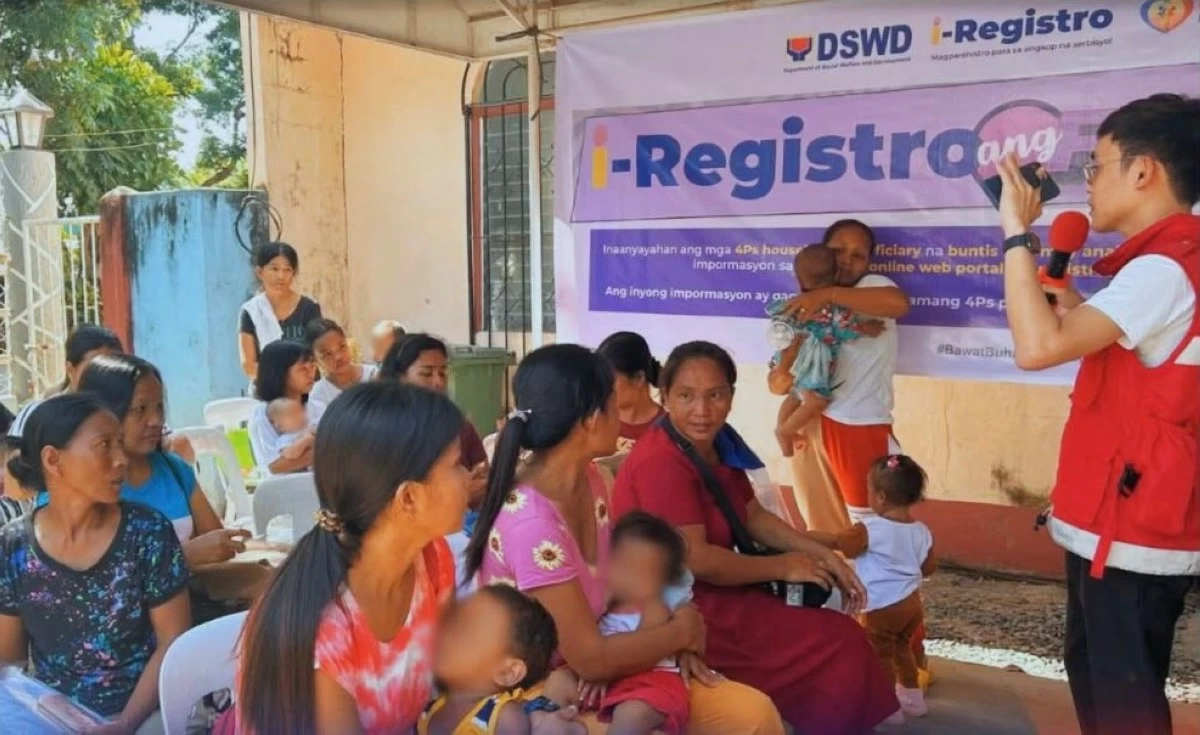
DSWD photo
DSWD photo
Over five million poor and low-income households have received financial support under the government's Pantawid Pamilyang Pilipino Program (4Ps) over the past four years, the Department of Social Welfare and Development (DSWD) said on Sunday, July 26.
From July 2022 to May 2026, the 4Ps National Program Management Office disbursed ₱341.258 billion in cash grants to 5.2 million household-beneficiaries nationwide, the DSWD said.
“As the Philippine government's flagship poverty reduction and human capital investment program, the 4Ps ensures that children from poor and low-income households have access to education, health care, nutrition, and other essential social services, helping families break the cycle of intergenerational poverty,” DSWD Assistant Secretary and spokesperson Irene Dumlao said.
She said tthe cash grants are now being accompanied by other forms of assistance for beneficiary families.
One of these is the First 1,000 Days (F1KD) strategy, under which the monthly grant for eligible 4Ps family members increased from ₱350 to ₱750.
It covers pregnant women and children from birth to two years old.
DSWD has also started incorporating digital financial literacy into the monthly Family Development Sessions attended by 4Ps beneficiaries.
Through the “e-Panalo ang Kinabukasan” initiative, beneficiaries are taught how to use mobile banking, manage a budget, set financial goals and use digital financial services safely, including how to avoid online scams.
The initiative is being implemented under the National Strategy for Financial Inclusion and Republic Act No. 11310, or the 4Ps Act.
For some beneficiaries who have reached self-sufficiency, the next step is access to housing.
DSWD, in partnership with the Department of Human Settlements and Urban Development (DHSUD), is providing qualified 4Ps families access to housing under the Expanded Pambansang Pabahay Para sa Pilipino (4PH) program.
The housing units are intended for households that have attained self-sufficiency and can afford the required monthly amortization.
Dumlao said the housing program is meant to help qualified families move toward homeownership and become less dependent on government assistance.
“By giving access to affordable homeownership, the government seeks to foster a stronger sense of responsibility among 4Ps beneficiaries, emphasizing that the program is not merely a form of handout but a conduit to help poor families achieve self-reliance and empowerment,” she said.

Related Tags

DSWD 4PS PANTAWID PAMILYANG PILIPINO PROGRAM
ADVERTISEMENT
.most-popular .layout-ratio{ padding-bottom: 79.13%; } @media (min-width: 768px) and (max-width: 1024px) { .widget-title { font-size: 15px !important; } }

{{ articles_filter_1561_widget.title }}

.most-popular .layout-ratio{ padding-bottom: 79.13%; } @media (min-width: 768px) and (max-width: 1024px) { .widget-title { font-size: 15px !important; } }

{{ static_articles_1562_widget.title }}

.most-popular .layout-ratio{ padding-bottom: 79.13%; } @media (min-width: 768px) and (max-width: 1024px) { .widget-title { font-size: 15px !important; } }

{{ articles_filter_1563_widget.title }}

{{ articles_filter_1564_widget.title }}

.mb-article-details { position: relative; } .mb-article-details .article-body-preview, .mb-article-details .article-body-summary{ font-size: 17px; line-height: 30px; font-family: "Libre Caslon Text", serif; color: #000; } .mb-article-details .article-body-preview iframe , .mb-article-details .article-body-summary iframe{ width: 100%; margin: auto; } .read-more-background { background: linear-gradient(180deg, color(display-p3 1.000 1.000 1.000 / 0) 13.75%, color(display-p3 1.000 1.000 1.000 / 0.8) 30.79%, color(display-p3 1.000 1.000 1.000) 72.5%); position: absolute; height: 200px; width: 100%; bottom: 0; display: flex; justify-content: center; align-items: center; padding: 0; } .read-more-background a{ color: #000; } .read-more-btn { padding: 17px 45px; font-family: Inter; font-weight: 700; font-size: 18px; line-height: 16px; text-align: center; vertical-align: middle; border: 1px solid black; background-color: white; } .hidden { display: none; }
function initializeAllSwipers() { // Get all hidden inputs with cms_article_id document.querySelectorAll('[id^="cms_article_id_"]').forEach(function (input) { const cmsArticleId = input.value; const articleSelector = '#article-' + cmsArticleId + ' .body_images'; const swiperElement = document.querySelector(articleSelector); if (swiperElement && !swiperElement.classList.contains('swiper-initialized')) { new Swiper(articleSelector, { loop: true, pagination: false, navigation: { nextEl: '#article-' + cmsArticleId + ' .swiper-button-next', prevEl: '#article-' + cmsArticleId + ' .swiper-button-prev', }, }); } }); } setTimeout(initializeAllSwipers, 3000); const intersectionObserver = new IntersectionObserver( (entries) => { entries.forEach((entry) => { if (entry.isIntersecting) { const newUrl = entry.target.getAttribute("data-url"); if (newUrl) { history.pushState(null, null, newUrl); let article = entry.target; // Extract metadata const author = article.querySelector('.author-section').textContent.replace('By', '').trim(); const section = article.querySelector('.section-info ').textContent.replace(' ', ' '); const title = article.querySelector('.article-title h1').textContent; // Parse URL for Chartbeat path format const parsedUrl = new URL(newUrl, window.location.origin); const cleanUrl = parsedUrl.host + parsedUrl.pathname; // Update Chartbeat configuration if (typeof window._sf_async_config !== 'undefined') { window._sf_async_config.path = cleanUrl; window._sf_async_config.sections = section; window._sf_async_config.authors = author; } // Track virtual page view with Chartbeat if (typeof pSUPERFLY !== 'undefined' && typeof pSUPERFLY.virtualPage === 'function') { try { pSUPERFLY.virtualPage({ path: cleanUrl, title: title, sections: section, authors: author }); } catch (error) { console.error('ping error', error); } } // Optional: Update document title if (title && title !== document.title) { document.title = title; } } } }); }, { threshold: 0.1 } ); function showArticleBody(button) { const article = button.closest("article"); const summary = article.querySelector(".article-body-summary"); const body = article.querySelector(".article-body-preview"); const readMoreSection = article.querySelector(".read-more-background"); // Hide summary and read-more section summary.style.display = "none"; readMoreSection.style.display = "none"; // Show the full article body body.classList.remove("hidden"); } document.addEventListener("DOMContentLoaded", () => { let loadCount = 0; // Track how many times articles are loaded const offset = [1, 2, 3, 4, 5, 6, 7, 8, 9, 10]; // Offset values const currentUrl = window.location.pathname.substring(1); let isLoading = false; // Prevent multiple calls if (!currentUrl) { console.log("Current URL is invalid."); return; } const sentinel = document.getElementById("load-more-sentinel"); if (!sentinel) { console.log("Sentinel element not found."); return; } function isSentinelVisible() { const rect = sentinel.getBoundingClientRect(); return ( rect.top < window.innerHeight && rect.bottom >= 0 ); } function onScroll() { if (isLoading) return; if (isSentinelVisible()) { if (loadCount >= offset.length) { console.log("Maximum load attempts reached."); window.removeEventListener("scroll", onScroll); return; } isLoading = true; const currentOffset = offset[loadCount]; window.loadMoreItems().then(() => { let article = document.querySelector('#widget_1690 > div:nth-last-of-type(2) article'); intersectionObserver.observe(article) loadCount++; }).catch(error => { console.error("Error loading more items:", error); }).finally(() => { isLoading = false; }); } } window.addEventListener("scroll", onScroll); });

Sign up by email to receive news.