







Redefining the growth of Mindanao's real estate landscape
As one of the key players in Mindanao, Cary Lagdameo of Damosa Land shares insights into the real estate market down south
Published Jul 24, 2026 06:18 pm


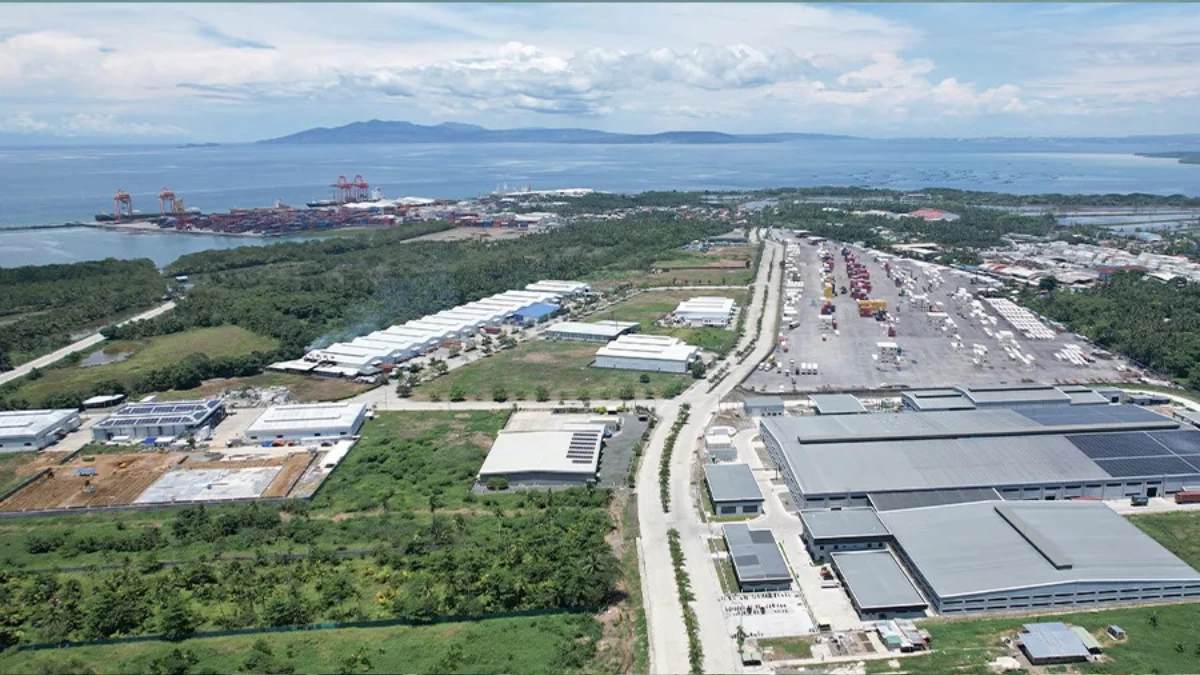
Anflo Industrial Estate in Davao City (Photo: Damosa Land)
Mindanao’s real estate market is undergoing a structural evolution. Far from being a mere emerging market, the region has transitioned into an established property destination defined by multi-billion-peso developments, infrastructure developments, and a growing influx of local and national capital. At the heart of this regional momentum is homegrown developer Damosa Land Inc., whose diversified strategy illustrates how thoughtful property development can drive long-term economic resilience and regional growth.
For years, single-structure developments—isolated subdivisions or standalone condominium towers—characterized property expansion in the region. Today, the landscape is being redefined by integrated, master-planned townships and mixed-use estates by local and national developers that mirror major metropolis models like Bonifacio Global City (BGC) or Nuvali. “That's something that we have been doing in Damosa Land as well. And I think that just goes to show how the market is maturing,” said Cary Lagdameo, Damosa Land president.
The shift to master-planned townships seamlessly weaves together Grade-A offices, residential communities, commercial hubs, and tourism spaces. Key national developers, including players like Ayala Land, are investing alongside established local firms, signaling strong long-term confidence in the market.
Mindanao’s total population is approximately 28.68 million, based on official regional counts from the Philippine Statistics Authority 2024 census of population, a massive internal consumer base, and a substantial pool of workforce.
Major public and private infrastructure improvements, such as the Central Mindanao High Standard Highway, Davao-Samal Bridge, arterial bypass roads, and privatized airport modernizations, provide direct regional access without transiting through Manila, improving connectivity for people and logistics.
In industrial parks, facilities like cold storage hubs allow locators to import directly into Mindanao, reducing reliance on expensive Luzon shipping routes.
The region’s urbanization and structural advantages have contributed to the rise of major cities, such as Davao and Cagayan de Oro, creating self-sustaining economic ecosystems independent of Metro Manila and attracting investments to the growth of major industries, including real estate.
Unlike Metro Manila, where residential oversupply has led to aggressive liquidation of condo units, Mindanao maintains a healthy inventory balance. Property prices remain manageable and unbloated, offering buyers and investors genuine upside for capital appreciation.
The region’s commercial market remains exceptionally tight, with office vacancy rates floating at a low four percent this year, with lease rates much lower compared to prime Metro Manila districts like BGC.
In 2025, the Mindanao Development Authority reported that demand for residential and commercial properties has reached unprecedented levels amid increasing business activities in the region, particularly in Davao City. Occupancy rates for condominiums in Davao City range from 95 to 100 percent, with luxury properties attracting buyers from outside Mindanao.
This year, Davao and Cagayan de Oro are recognized as Mindanao's fastest-growing real estate hubs, driven by strong residential demand, infrastructure upgrades, and an expanding IT-BPM sector, according to Colliers Philippines.
“For developers like us, we still consider Mindanao to be in its growth stage. When you invest, you don't invest when things are at an all-time high, right? You invest while things are going to pick up,” stressed Lagdameo.
As the property arm of the Anflo Group, Damosa Land has played a pivotal role in transitioning Mindanao from a purely agribusiness-centric economy into a dynamic and diversified one.
"That's something we've been very proud of. We’re into townships, residential communities, office development and leasing, and hospitality. We always say manufacturing is the sector that can uplift the country, so we're into that space as well. We're one of the few developers that actually have that advantage of bringing foreign direct investments into Mindanao. In Anflo Industrial Estate, we have investors from Europe, China, Japan, and Thailand,” shared Lagdameo.
Damosa Land leverages its rich background in agriculture to pioneer 'agropolis' township concepts, such as in Agriya, proving that modern urban planning can thrive alongside sustainable farming heritage.
The firm also leads in office leasable space in Davao City, delivering green-certified, Grade-A spaces tailored to multinational BPO standards.
By partnering with international hospitality brands, such as TRYP by Wyndham on Samal Island, and developing leisure communities like Bridgeport, Damosa Land is setting new benchmarks for eco-friendly, low-density coastal development.
Mindanao is no longer waiting to be discovered—it is actively shaping the future of Philippine property development. Supported by robust infrastructure, low operating expenses, and long-term capital commitments from forward-thinking developers, the island represents one of the most resilient real estate frontiers in the country.