






Manila Bulletin
 Lifestyle
Health and Wellness
Pinggang Pinoy, not pinggang puno, matters during a child's growth
Lifestyle
Health and Wellness
Pinggang Pinoy, not pinggang puno, matters during a child's growth
Lifestyle
Health and Wellness
Pinggang Pinoy, not pinggang puno, matters during a child's growth
Pinggang Pinoy, not pinggang puno, matters during a child's growth
Published Jul 24, 2026 12:11 pm


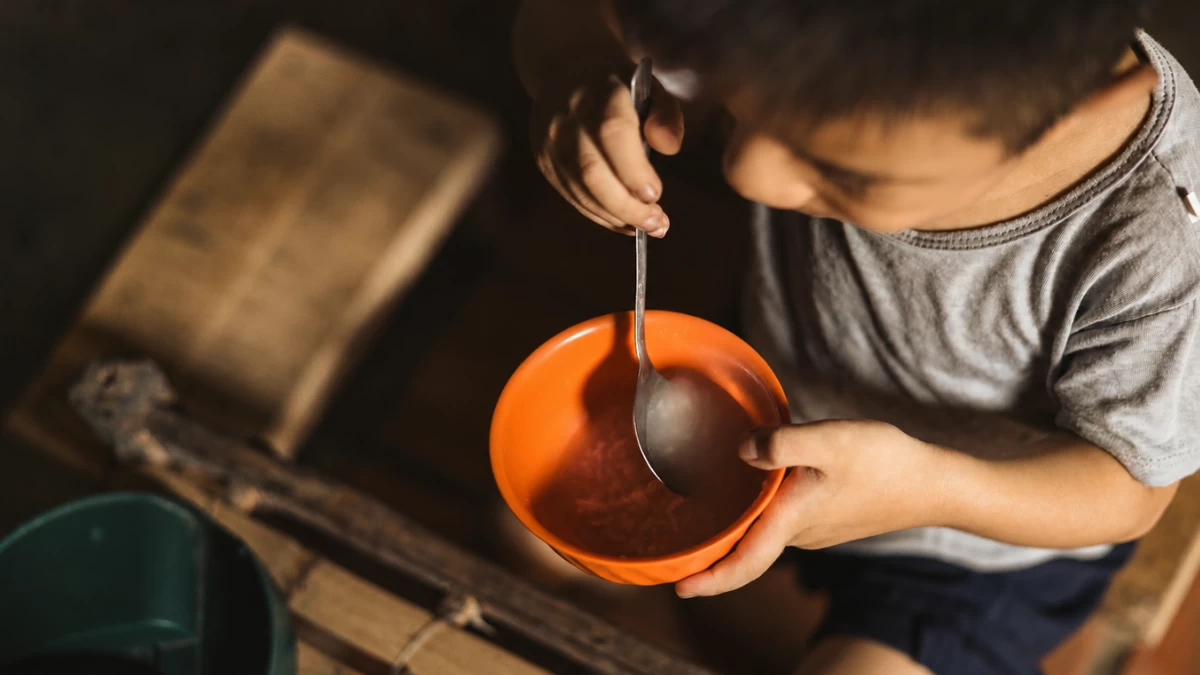
Filipinos are known for their love of food. Every local celebration, such as parties and fiestas, is always celebrated around a table overflowing with delicacies. We take pride in feeding our family and guests generously, believing that a full stomach is a sign of good hospitality and good health.
But is it?
For many Filipino families, a typical meal means a generous serving of rice paired with meat or fish. Between meals, children often reach for candies, biscuits, or other sweet snacks. It’s a familiar routine that deserves a second look.
“Our diet is to satisfy our appetites. We assume that as long as we’re full, we’re healthy. But being full is not the same as being healthy. Many of our meals lack the essential nutrients our bodies need. Without proper nutrition, our health suffers,” Christle Cubelo, World Vision Health and Nutrition Manager, said.
The consequences begin much earlier than many of us realize.
“This dietary pattern also shows in how we feed our children, particularly those under five years old. We fill their plates with more rice and meat or fish, thinking these are enough,” Cubelo said.
A child’s first 1000 days are crucial
Cubelo explained that a child’s first 1000 days – from pregnancy to two years old – are crucial to a child’s development.
“It is the most critical moment for a child’s growth and brain development, which is why this is the focus of World Vision’s programs in the communities,” Cubelo added.
What happens during those first 1000 days can shape a child’s future. Good nutrition lays the foundation for a child’s growth, immunity, and learning capacity for life. Inadequate nutrition during this stage can lead to malnutrition, increase the risk of diseases, and poor school performance.
“Failure to provide a child’s nutrient needs at this stage can have lifelong consequences. Ito ay habambuhay na at hindi na mababawi. [The effects last a lifetime and are irreversible,” she said.
World Vision’s Go Baby Go! program supports parents with individual, household-based support and group sessions for improved parenting skills, family well-being and holistic child development. The model can also support health services by equipping maternal and child health clinics with the necessary tools to improve the quality of the services the clinics provide and to make the environment of the clinics more child-friendly.
What is Pinggang Pinoy?
Many Filipinos remember learning about Go, Grow, and Glow food groups in school. But somewhere along the way, those lessons got lost in everyday eating habits.
This is exactly what Pinggang Pinoy, the Philippine government’s visual food guide for consuming the right amount of food at every meal, hopes to address.
Pinggang Pinoy suggests filling half of the plate with fruits and vegetables, 1/3 for carbohydrates (e.g., rice, bread, and corn), and 1/6 for protein (e.g., fish, eggs, chicken).
“These are basically the Go, Grow, and Glow food groups that we learned in school. It teaches that half of our plate should be fruits and vegetables, not rice, not meat. Baligtad, di ba? Mas marami ang rice natin kaysa sa fruits and vegetables. Minsan wala pa nga or side dishes lang ang fruits and vegetables [But in reality, it’s the opposite, isn’t it? We eat more rice than fruits and vegetables. Sometimes, there are no fruits and vegetables are lacking or served only as side dishes,” Cubelo said.
She emphasized that balanced meals are just as important for young children, with portions adjusted according to their age.
Community Nutrition Classes
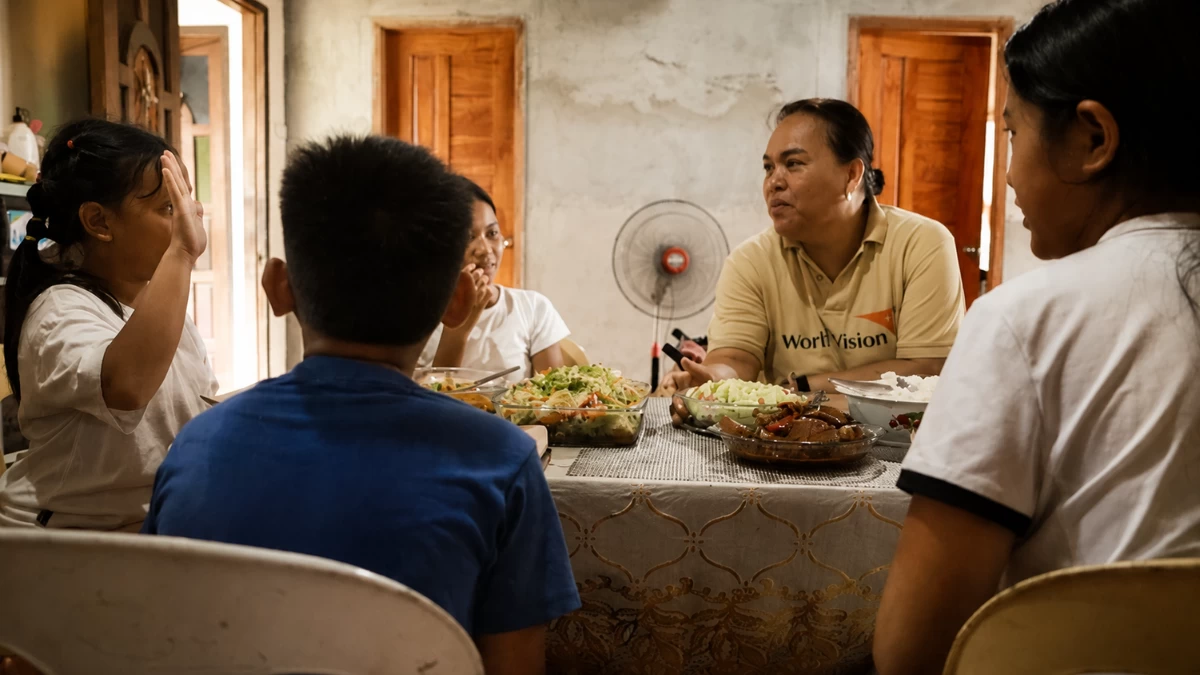
“World Vision teaches parents and caregivers how to prepare nutritious meals during our nutrition classes in our communities,” Cubelo shared.
Perhaps one of the biggest misconceptions about healthy eating is that it is expensive.
Cubelo believes otherwise.
“Nutritious meals do not have to be costly. Meals can be prepared using locally available fruits and vegetables, many of which can be grown or harvested from one’s backyard.”
Building a healthier family doesn’t begin with buying more food, but with putting the right kinds of food on the plate.