







Philippines-US ties: The true measure of an ally
Published Jul 24, 2026 12:05 am
|
Updated Jul 23, 2026 04:34 pm


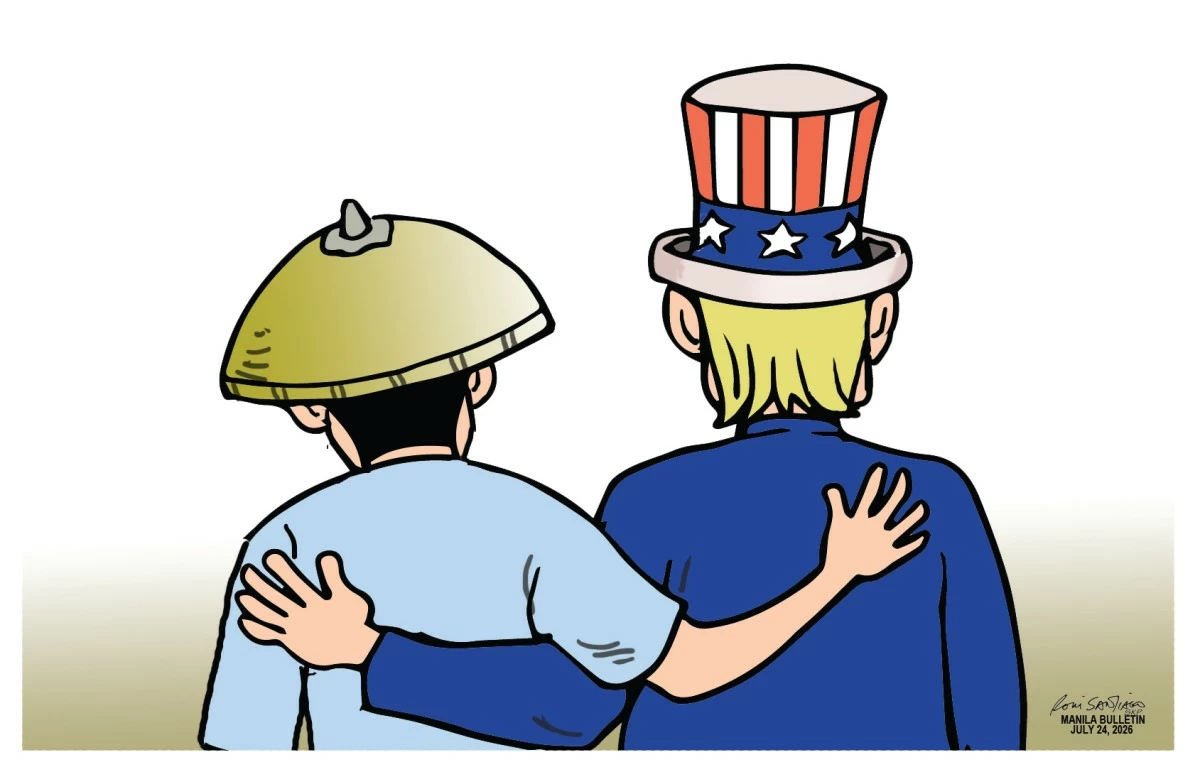
The Philippines and the United States have once more reaffirmed their growing alliance.
President Ferdinand Marcos Jr.’s meeting with United States Secretary of State Marco Rubio in Malacañang was a reaffirmation of an alliance forged through decades of shared sacrifices, common democratic ideals, and mutual strategic interests. At a time when the Indo-Pacific faces unprecedented geopolitical uncertainty and the West Philippine Sea remains a flashpoint of regional tension, both nations have every reason to deepen—not merely preserve—the partnership.
The renewed commitment to cooperation in defense, artificial intelligence (AI), and economic development deserves a warm welcome.
The proposed Pax Silica Economic Security Zone, envisioned to strengthen semiconductor and AI supply chains, together with the Luzon Economic Corridor linking Subic, Clark, Manila, and Batangas, offers the Philippines a rare opportunity to become a vital player in the industries that will define the 21st century.
But history also teaches a timeless lesson: alliances are not sustained by ceremonies, communiqués, or carefully crafted photographs. They endure only when promises are translated into concrete and meaningful results.
For decades, the US has described the Philippines as its oldest treaty ally in Asia. Such words carry both honor and responsibility.
If America truly considers the Philippines a trusted friend, then it must help build a stronger Philippine economy with the same seriousness that it pursues regional security. That means encouraging greater American investments, expanding access to advanced technologies, strengthening educational and research partnerships, supporting high-value manufacturing, and opening wider opportunities for Philippine products in the American market. A genuine ally helps another nation stand on its own feet, not remain perpetually dependent.
The same sincerity must define defense cooperation.
No Filipino is asking the US to wage our battles. Filipinos understand that the defense of the Republic ultimately rests in Filipino hands. We seek peace, stability, and diplomacy—not war.
Yet peace is best preserved when a nation possesses the strength to deter aggression.
The Mutual Defense Treaty and the Enhanced Defense Cooperation Agreement (EDCA), with its growing network of strategic sites around the Philippines, remain pillars of regional security. But credible deterrence cannot be built on aging military hardware or limited assistance alone. The challenges confronting the Philippines in the West Philippine Sea require modern maritime surveillance systems, integrated air and coastal defense capabilities, cybersecurity, intelligence sharing, and access to advanced defense technologies. If the alliance is to remain relevant in a rapidly changing security environment, military cooperation must evolve with equal urgency.
America's commitment, however, cannot substitute for reforms that only the Philippines can undertake.
No investor—whether American or otherwise—will commit billions of dollars where bureaucracy delays progress, corruption inflates costs, and policies change with political winds. If the Philippines hopes to become a premier destination for American investments, it must relentlessly cut red tape, faithfully uphold the Ease of Doing Business law, protect the rule of law, and demonstrate that corruption is neither tolerated nor rewarded.
Partnership is a two-way street.
The Philippines offers the United States something no other nation can replicate: a steadfast democratic ally strategically located at the heart of the Indo-Pacific, a highly skilled and resilient workforce, and a people whose friendship with America has endured generations of changing global realities. These are enduring strengths that deserve to be matched with equal commitment.
The Marcos-Rubio meeting should therefore mark more than another chapter in Philippine-American relations.
In an era when freedom is increasingly challenged and economic security has become inseparable from national security, the Philippines needs an ally that does more than stand beside it in words. It needs an ally that helps it rise.
True friends do not merely promise protection in difficult times. They invest in each other's future, strengthen each other's resolve, and ensure that the next generation inherits not fear, but opportunity, not uncertainty, but hope.