






 Philippines
National
Mark Villar cites AFASA's early gains vs online financial crimes
Philippines
National
Mark Villar cites AFASA's early gains vs online financial crimes
Mark Villar cites AFASA's early gains vs online financial crimes
By Dhel Nazario


At A Glance
- One year after the Anti-Financial Account Scamming Act (AFASA) took effect, the Philippine National Police has filed more than 500 cases against scammers, fraudsters, money mules, and others involved in financial account scams, according to the BSP.
- With the June 2026 compliance deadline over, banks and BSP-supervised financial institutions that fail to implement required fraud management systems may be held liable for unauthorized transactions and required to reimburse clients for scam-related losses resulting from noncompliance.
- Senator Mark Villar said AFASA allows banks to immediately place temporary holds on suspicious transactions, helping prevent stolen funds from being withdrawn while investigations are ongoing.
Senator Mark Villar on Friday, July 24, welcomed the early gains of the Anti-Financial Account Scamming Act (AFASA), saying the law is now delivering concrete results in the country's campaign against online financial crimes.
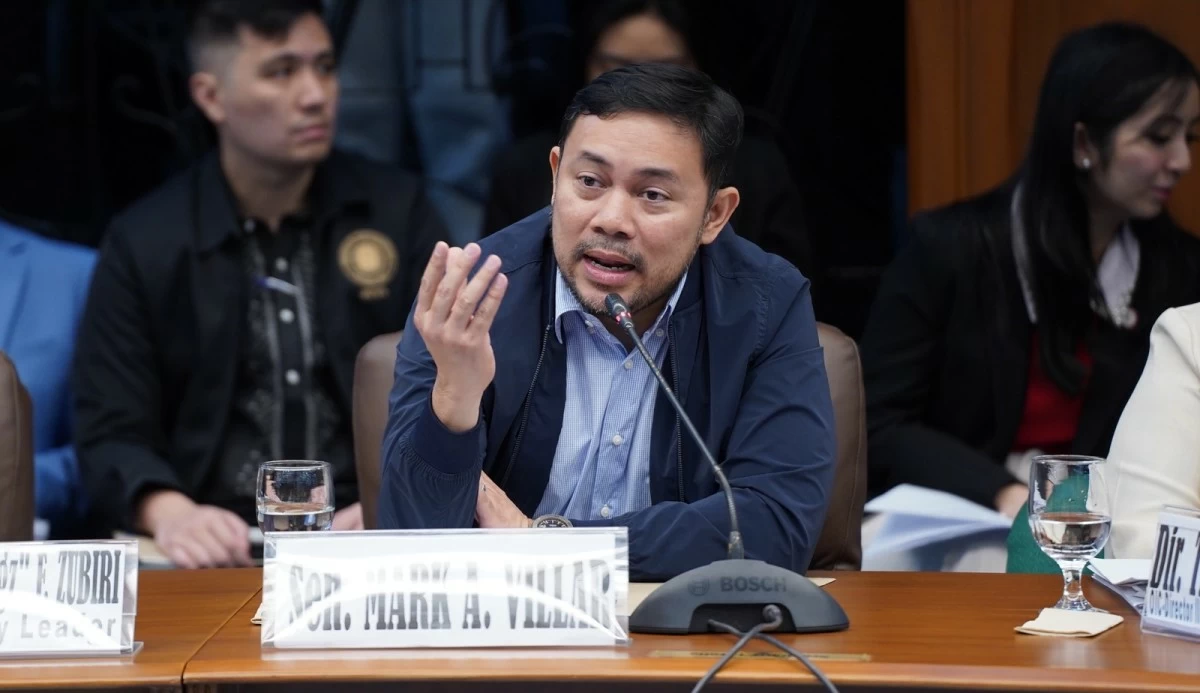
Citing data from the Bangko Sentral ng Pilipinas (BSP), Villar said that one year after AFASA took effect, the Philippine National Police (PNP) has filed more than 500 cases against scammers, fraudsters, money mules, and other individuals involved in financial account scams.
"Mahigit 500 kaso na ang naisampa laban sa mga scammer—patunay na may pangil na ang AFASA. Bilang Principal Author ng batas, ikinagagalak kong makita na mas mabilis nang nakakakilos ang ating mga law enforcement agencies upang habulin at papanagutin ang mga kriminal na nagnanakaw ng pinaghirapang pera ng ating mga kababayan (More than 500 cases have already been filed against scammers—a clear indication that AFASA now has teeth. As the Principal Author of the law, I am pleased to see that our law enforcement agencies are now able to act more swiftly in pursuing and holding accountable criminals who steal the hard-earned money of our fellow Filipinos)," Villar said.
Villar said the law was designed not only to strengthen the government's efforts against online financial crimes but also to require banks and other financial institutions to adopt stronger safeguards to protect their clients.
Under AFASA, banks and other BSP-supervised financial institutions were given until June 2026 to upgrade their fraud management systems, including implementing advanced fraud detection measures and enhanced authentication for high-risk transactions.
With the compliance period now over, financial institutions that fail to meet the law's security requirements may be held liable for unauthorized transactions resulting from their noncompliance and may be required to reimburse clients for losses arising from scam incidents linked to inadequate fraud management systems.
Villar also underscored that AFASA provides quicker remedies for scam victims by allowing banks to immediately place temporary holds on suspicious transactions, preventing stolen funds from being withdrawn while investigations are underway.
"Hindi lamang pagpaparusa sa mga scammer ang layunin ng AFASA. Mahalaga ring matulungan agad ang mga biktima. Kaya binibigyan ng batas ng mas mabilis na paraan upang maharang ang mga kahina-hinalang transaksyon at mapigilan ang tuluyang pagkawala ng kanilang pinaghirapang pera (AFASA is not only about punishing scammers. It is equally important to provide immediate assistance to victims. That is why the law provides a faster mechanism to block suspicious transactions and prevent the permanent loss of their hard-earned money)," Villar said.
The senator said he remains committed to ensuring the law's full implementation to strengthen public confidence in the country's digital financial system.